
Wales braces for wet, windy winter, warns Natural Resources Wales
Natural Resources Wales urges communities to prepare for heightened flood risk as the Met Office forecasts a wetter, windier winter across Wales.
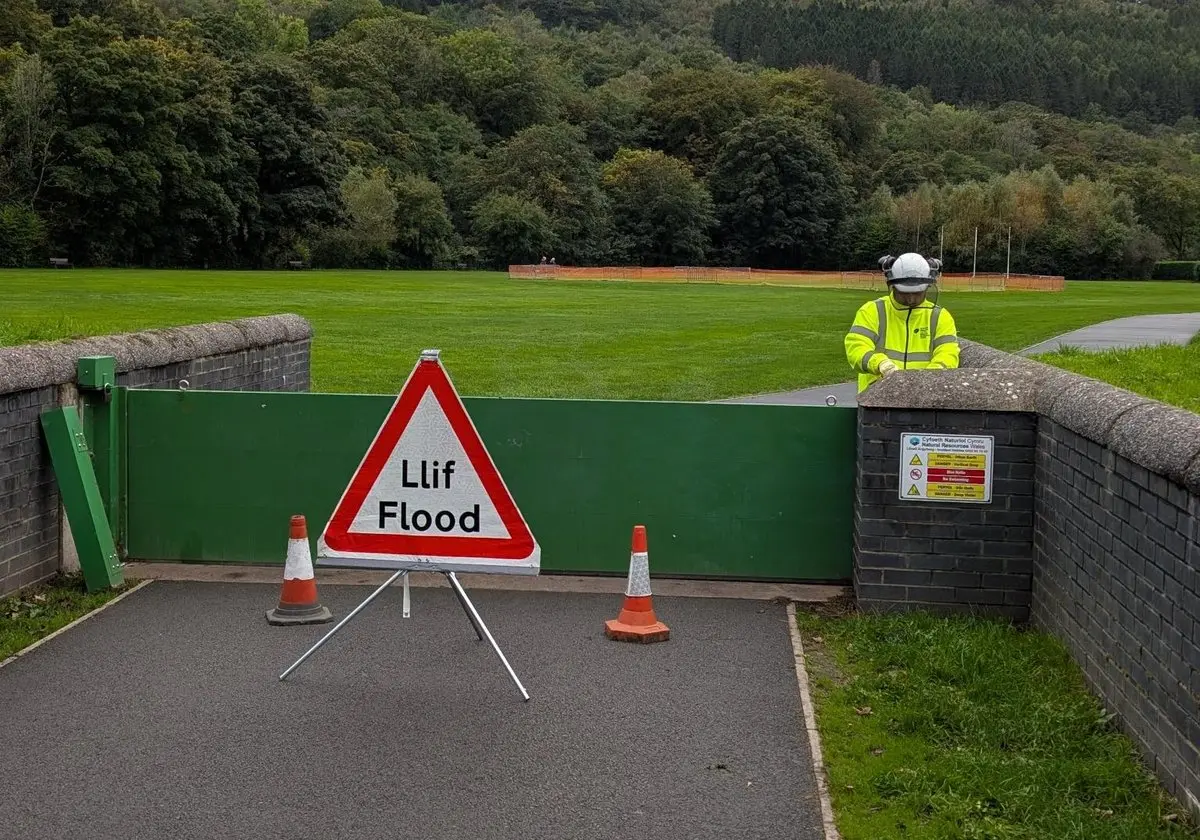
Natural Resources Wales has warned that a wet and windy winter could bring renewed flood risk across the country. The agency’s latest campaign comes after last winter’s severe flooding and summer‑time drought and wildfires left many Welsh communities still recovering.
Jeremy Parr, Head of Flood and Incident Risk Management at Natural Resources Wales, said the nation “is no stranger to extreme weather, and many communities will still be feeling the effects of flooding and storms experienced last winter, as well as drought and wildfires this summer.” After a dry summer, flood risk may not be at the forefront of people’s minds, but the change in seasons can bring very different weather conditions very quickly.
Just because you’ve never experienced flooding before doesn’t mean you’re not at risk.”
The warning aligns with the Met Office’s long‑range outlook for autumn, which predicts a higher likelihood of wetter, windier and milder conditions than usual. Sarah Davies, the Met Office’s Head of Environment and Energy, explained: “The Met Office’s outlook for autumn and early winter indicates an increased likelihood of wetter, windier and milder conditions than average, bringing a greater chance of weather‑related disruption, although periods of dry and settled weather will still occur.”
Weather patterns can change quickly at this time of year, and long‑range forecasts describe broad seasonal trends rather than the timing, location or severity of individual weather events. Whatever the season, understanding your flood risk and knowing what action to take if warnings are issued are sensible steps that can help you prepare should severe weather occur.”
NRW stresses that flood risk can return swiftly once the first autumn rains arrive, especially in river valleys and coastal towns that saw historic high water levels last year.
One of the agency’s flagship projects is a proposed tidal flood‑risk management scheme in Cardigan, Ceredigion. The plan would add a new tidal flood wall, improve the River Teifi’s banks along The Strand and create intertidal habitats to absorb surge water.
Community‑led flood plans are also being rolled out, giving residents the tools to map local hazards, support vulnerable neighbours and act quickly when alerts are issued. In Cardigan, café owner and fishmonger Jane Roche has helped coordinate the town’s community flood plan.
She told us: “Living and working beside the Teifi, flooding is something we’ve learned to live alongside for many years.” We’ve seen first‑hand the disruption it can cause for businesses, residents and visitors.
We know not every flood can be prevented, but we can be much better prepared for them.”
NRW’s investment in engineering solutions and community preparedness aims to reduce the economic and social impact of future events, but officials stress that no single measure can eliminate risk entirely. Residents are urged to check the latest flood warnings on the agency’s website, keep sandbags and emergency supplies on hand, and ensure drainage systems around homes are clear of debris.
Local authorities across Wales are reviewing evacuation routes and emergency response plans ahead of the expected stormy period, with some councils already staging public information sessions. As climate change drives more frequent and intense weather extremes, the message from Natural Resources Wales is clear: complacency after a dry summer could leave communities vulnerable when the first heavy rains hit.
Preparedness, according to the agency, remains the most effective defence against the looming threat of flood damage this winter.