
Câr-y-Môr secures £1.3m loan to boost sea farming jobs
Community benefit society Câr-y-Môr receives a £1.3m NFU Mutual loan, creating new roles, raising wages and expanding sustainable seaweed and seafood production in St Davids.
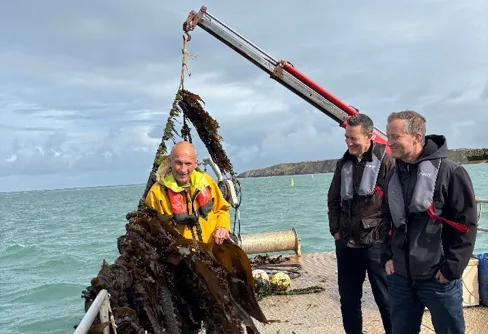
Câr-y-Môr has secured a £1.3 million loan from NFU Mutual to expand its sea‑farming operations and create new jobs on the Pembrokeshire coast.
The finance, repayable over ten years, will refinance earlier borrowing while providing extra capital for equipment, training and commercial development.
The community benefit society, founded in 2019, is owned equally by more than 800 members drawn from St Davids and surrounding villages.
Its core activities include supplying seafood and shellfish, cultivating seaweed and developing seaweed‑derived products for agricultural use.
Today the business works with 15 fishermen and gatherers, around a dozen local farmers and over 100 restaurants and retailers across the United Kingdom.
The new funding has already enabled the recruitment of four workers, with another four posts slated for creation by summer 2027.
Hourly pay rates have risen by 15 per cent, a welcome boost for a workforce that has traditionally been seasonal.
Managing director Owen Haines said the agreement would allow the organisation to concentrate on making its seafood and farming businesses commercially viable and returning benefits to the community.
He added, “We’re grateful to NFU Mutual for understanding that we’re trying to do something new to create jobs and help the environment.”
Haines also paid tribute to the hundreds of people whose early support helped the venture get started.
Jonathan Priestley, NFU Mutual’s head of finance, actuarial and investment office, said the insurer’s backing reflected its commitment to supporting rural communities while investing members’ money responsibly.
The loan will be used to upgrade sea‑cage infrastructure, purchase harvesting vessels and fund a training programme for new staff.
Câr-y-Môr plans to channel any future surplus into coastal employment schemes, local business grants and community projects.
The society’s model, which distributes profits among members rather than private shareholders, is seen as a template for sustainable rural enterprise.
Analysts note that seaweed farming is gaining attention for its carbon‑sequestration potential and low water usage, positioning Câr-y-Môr favourably in a growing market.
Local councillors have welcomed the investment, citing its potential to stem youth out‑migration from coastal villages.
The loan arrives as the UK government pushes for greener food production, with seaweed slated for inclusion in upcoming agricultural policy reviews.
If the expansion proceeds as planned, Câr-y-Môr could double its output by 2028, creating up to eight new full‑time roles and strengthening supply chains for restaurants seeking locally sourced marine produce.
The community benefit society will monitor progress against its ten‑year repayment schedule, with quarterly reports to members.
The partnership between a rural insurer and a coastal cooperative underscores a broader shift towards locally driven, environmentally focused investment in Wales.