
Flu jab prevented over 800 hospital admissions, says Public Health Wales
Over one million people across Wales received a flu jab during the 2023‑24 season. More than 200,000 of those vaccinated live with chronic conditions such as diabetes, asthma,…
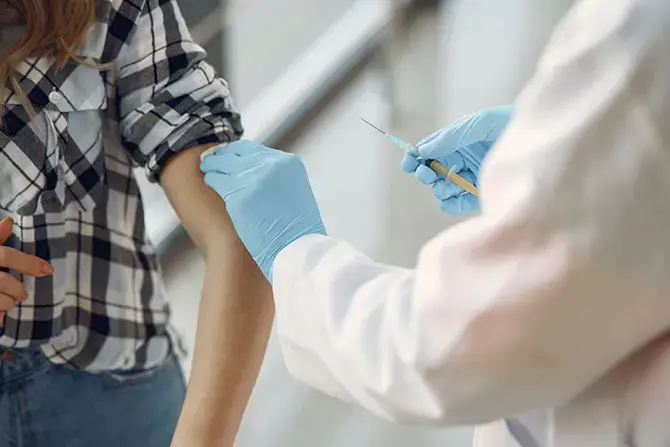
Public Health Wales says the flu vaccine prevented more than 800 hospital admissions in Wales last winter. The health body says the programme saved lives and eased pressure on the NHS.
Over one million people across Wales received a flu jab during the 2023‑24 season. More than 200,000 of those vaccinated live with chronic conditions such as diabetes, asthma, COPD and heart disease.
More than 10,000 pregnant women were also immunised. Data analysis shows the vaccine averted at least 800 admissions to hospital.
Public Health Wales urges anyone eligible to take up the offer this winter. Eligibility includes everyone aged 65 and over.
It also covers people aged six months to 64 with long‑term health conditions. Health and social care staff, care home residents and pregnant women are likewise entitled.
Children who were two or three years old on 31 August are eligible for a free jab. All pupils in primary and secondary schools can receive the vaccine at no cost.
The programme is delivered through GP surgeries, community pharmacies and school clinics. “Winter viruses like flu spread easily and can hit older people and those with health conditions particularly hard,” said Dr Christopher Johnson, head of the Vaccine Preventable Disease Programme at Public Health Wales.
“The impact of the flu vaccination programme is clear and it’s a powerful reminder that vaccination isn’t just about individual protection, it’s about protecting others around you and reducing winter pressures on the NHS,” he added. “The protection that the flu vaccine gives fades over time, which is why having the vaccine every year is the most effective way to protect against serious illness that could land you in hospital,” Johnson warned.
“As well as getting vaccinated, there’s plenty we can do to stop winter illnesses spreading.”
Regular hand washing and staying home when unwell both help limit the spread of infections that can prove serious for some people,” said Nerys Evans, the Welsh Government’s deputy minister for public and preventative health. “Flu arrived early last winter and stayed around for months, putting extra strain on our health and care services,” Evans added.
The 800 avoided admissions represent a fraction of the total winter burden, which in previous years saw hundreds of thousands of GP appointments and emergency visits linked to flu. Health officials point out that each avoided admission frees up beds for other urgent cases, especially during the busy winter months.
The Welsh NHS reported that flu‑related admissions peaked in January and February, coinciding with the height of the virus’s circulation. By vaccinating high‑risk groups early, the programme aims to blunt that peak.
The public health message this year stresses early booking, as supply of vaccine doses can be limited in the first weeks of the campaign. Pharmacies and GP practices have been urged to prioritise appointments for those most vulnerable.
Community outreach teams continue to visit care homes to deliver on‑site vaccinations. The government has allocated additional funding to ensure sufficient vaccine stock for the upcoming season.
Officials remind that the flu vaccine does not protect against COVID‑19 or other respiratory viruses, but it remains a key tool against seasonal influenza. The Department of Health and Social Care monitors vaccine uptake weekly and will publish updated figures after the campaign closes.
Public Health Wales will evaluate the impact of this year’s programme against the previous season’s data to refine future strategies. With winter approaching, health authorities stress that a simple jab can make a measurable difference to individual health and the wider health system.