
Cardiff Archbishop gifts £10,000 to St Anne’s Hospice
Archbishop Peter Smith presented a £10,000 cheque to St Anne’s Hospice in 2006, highlighting the vital role of charitable funding for hospice care.
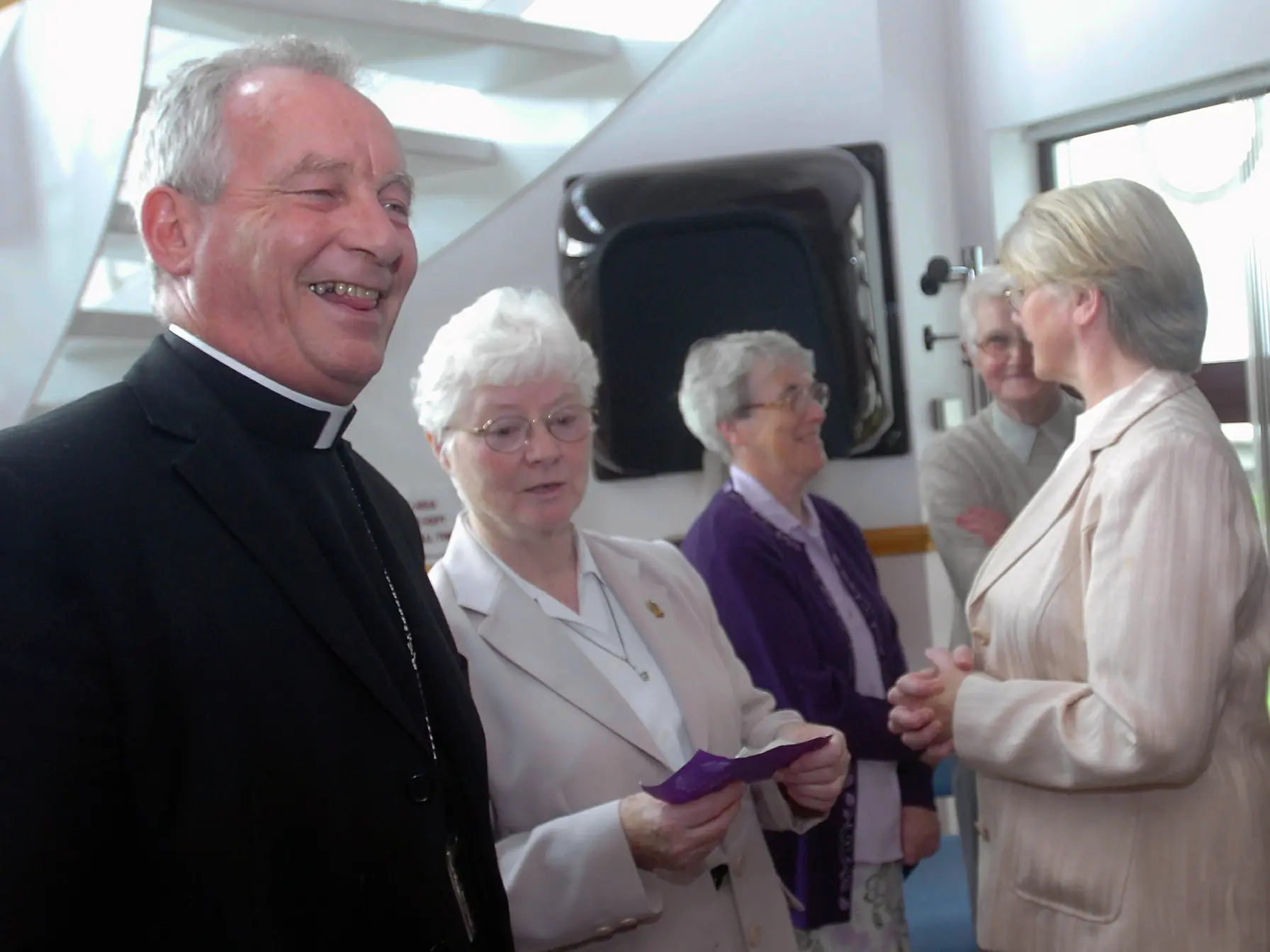
On 6 October 2006 the Right Reverend Peter Smith, Archbishop of Cardiff, handed a £10,000 cheque to St Anne’s Hospice in a ceremony attended by sisters, staff and local supporters.
The donation formed part of the Catholic Church’s annual “Day for Life” collection, a nationwide appeal that raises funds for hospice and palliative‑care services.
In presenting the cheque, the Archbishop said: “Those who are sick and frail and older people deserve our particular respect.” “They are our brothers and sisters in Christ.”
“St Anne’s Hospice is a place where every person is shown a tremendous amount of care, love and support.” “I’m delighted we are able to give recognition to the amazing work that the hospice does.”
St Anne’s Hospice, based in the Rhondda, provides specialist end‑of‑life care for adults and children across the region, operating a 12‑bed inpatient unit, day‑care facilities and a network of community nurses.
At the time, chief executive Sister Bernadette Marie described the gift as “a welcome and much‑needed surprise”.
She explained: “We currently negotiate around 20 per cent of our funding from the local health boards.” “This leaves in excess of £800,000 which must be raised to enable us to continue.”
“Every year we receive magnificent support from many individuals and organisations.” “Many people put on special fundraising events to help the hospice but there is always a shortfall.”
“That’s why the funding from Day for Life came as such a welcome and much‑needed surprise.”
The hospice’s annual budget in 2006 hovered around £1 million, with the majority sourced from charitable donations, community events and corporate sponsorship.
Local health boards contribute a statutory share, but the remaining 80 per cent must be secured through fundraising, a task that often stretches volunteer resources.
Day for Life, organised by the Catholic Bishops’ Conference of England and Wales, encourages parishioners to donate a small amount on a designated Sunday each year, with proceeds distributed to selected charities.
St Anne’s was among the beneficiaries that year, reflecting the hospice’s longstanding relationship with the Catholic community in South Wales.
Archbishop Smith’s involvement underscored the Church’s commitment to supporting vulnerable patients, a stance echoed by other senior clergy across the nation.
Following the presentation, staff and volunteers gathered for a brief reception, where the cheque was photographed alongside the hospice’s emblematic red rose – a symbol of compassion and hope.
In the months after the donation, the hospice reported that the funds helped to refurbish a patient lounge and purchase new medical equipment, directly enhancing the quality of care.
Senior nurse manager Elaine Hughes noted that the upgraded facilities “have made a tangible difference to the comfort of our patients and the morale of our team”.
Community response to the event was overwhelmingly positive, with local newspapers highlighting the partnership between the Church and the hospice.
Charitable giving in the Rhondda area saw a modest rise in the subsequent year, a trend analysts linked to the heightened visibility of hospice work following the high‑profile donation.
St Anne’s continued to host annual fundraising galas, charity runs and bake‑sales, each contributing to the ongoing effort to bridge the funding gap.
By 2010, the hospice had secured additional grants from the Welsh Government, yet still relied on public generosity for the bulk of its operating costs.
The £10,000 contribution remains a memorable milestone in the hospice’s history, illustrating how targeted charitable appeals can deliver immediate, practical benefits to frontline care.
Today, St Anne’s Hospice continues to serve the Vale of Glamorgan and surrounding counties, maintaining its mission to provide dignified, compassionate care to those at the end of life.
Its leadership acknowledges that while large donations are welcomed, sustained community support remains the cornerstone of its financial stability.
As the hospice approaches its 30th anniversary, the legacy of the 2006 Day for Life gift endures, reminding donors that even modest sums can have a lasting impact on the lives of the sick and frail.