
Flintshire defers £200m carbon capture plant over English consultation lapse
The scheme, intended to create Wales’ first carbon‑negative waste‑to‑energy plant, would sit beside the existing Parc Adfer facility in Connah’s Quay and process 232,000 tonnes of waste each year.
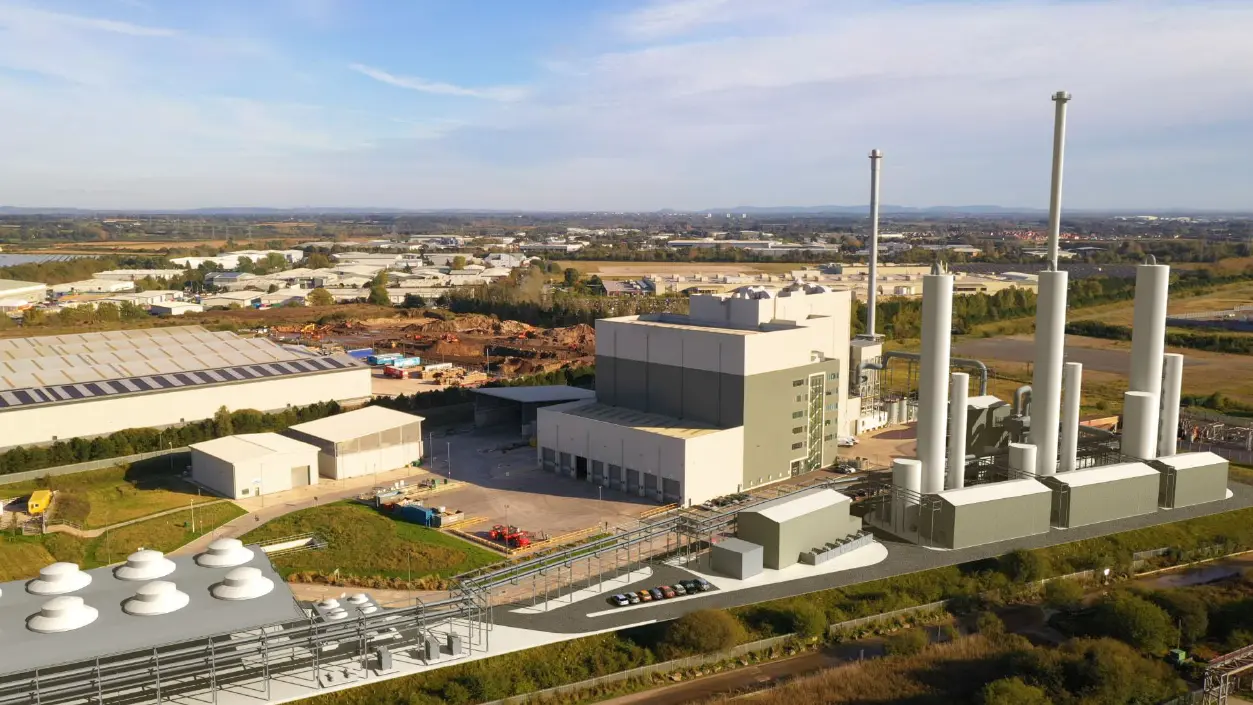
Flintshire County Council has deferred the £200 million Parc Adfer carbon capture extension after it emerged that neighbouring English villages were not consulted.
The scheme, intended to create Wales’ first carbon‑negative waste‑to‑energy plant, would sit beside the existing Parc Adfer facility in Connah’s Quay and process 232,000 tonnes of waste each year.
Senior planning officer Robin Wynne Williams confirmed the oversight, stating: “We haven’t consulted directly with neighbouring community or parish councils over the border.”
Local councillor Carol Ellis highlighted the proximity of the English settlements, noting that “Burton is actually closer to the application site than the south west of Connah’s Quay, as is Puddington.”
Ellis added that the affected communities “should be consulted” and urged the council to engage the relevant parish councils.
Flintshire’s planning committee received 18 late objections, many from residents on the Wirral and in Cheshire, raising doubts about the efficacy of carbon capture technology and concerns over noise, pollution and the River Dee.
Enfinium, the developer, responded that the objections had been addressed in the application and pointed to the plant’s ability to capture up to 95 % of the carbon generated by the waste‑processing operation.
According to the proposal, captured carbon would be compressed and sent via the Hynet pipeline to empty gas wells in the Irish Sea for permanent storage.
Anita Taylor, senior estates and planning manager for Enfinium, described the project as “a critical development in the Welsh Government’s Carbon Budget Three Plan, which aims to have carbon capture at both Wales’ energy from waste facilities.”
She assured that “any impact from operations can be controlled so as not to cause significant impact” and that Natural Resources Wales had found no adverse effects on the Dee Estuary.
Natural Resources Wales is also reviewing a substantial variation to the existing Parc Adfer permit, which would tighten regulation of the new carbon capture unit.
Planning officers indicated that a Section 106 agreement would be secured to fund habitat compensation and biodiversity improvements across the county.
Despite these safeguards, councillor Mike Peers argued that “we pretty much share the estuary with England, the villages of Shotwick, Burton, Puddington, places like that,” and insisted that the development should be consulted where it may impact.
The council’s decision to defer the planning item reflects a precautionary approach, giving English communities a formal opportunity to voice concerns before the project proceeds.
Flintshire’s deferment comes as the Welsh Government pushes forward with its carbon‑reduction agenda, seeking to balance ambitious climate targets with cross‑border procedural fairness.
Stakeholders will now await a revised consultation process that includes the English parish councils, after which the council may revisit the application.
Environmental groups have welcomed the move, saying it underscores the importance of transparent engagement on projects that could affect air quality and local ecosystems on both sides of the border.
The next steps involve the council issuing a new public notice, outlining the extended consultation timetable and outlining how objections will be considered.
Should the revised process satisfy statutory requirements, the £200 million plant could resume its path toward becoming a flagship example of carbon capture in the UK.