
Wales’ heritage sites generate £738m and 18,000 jobs
Independent research shows Wales’ historic environment delivers £107m social value, 13m visits and supports thousands of volunteers, while warning of climate and skills risks.
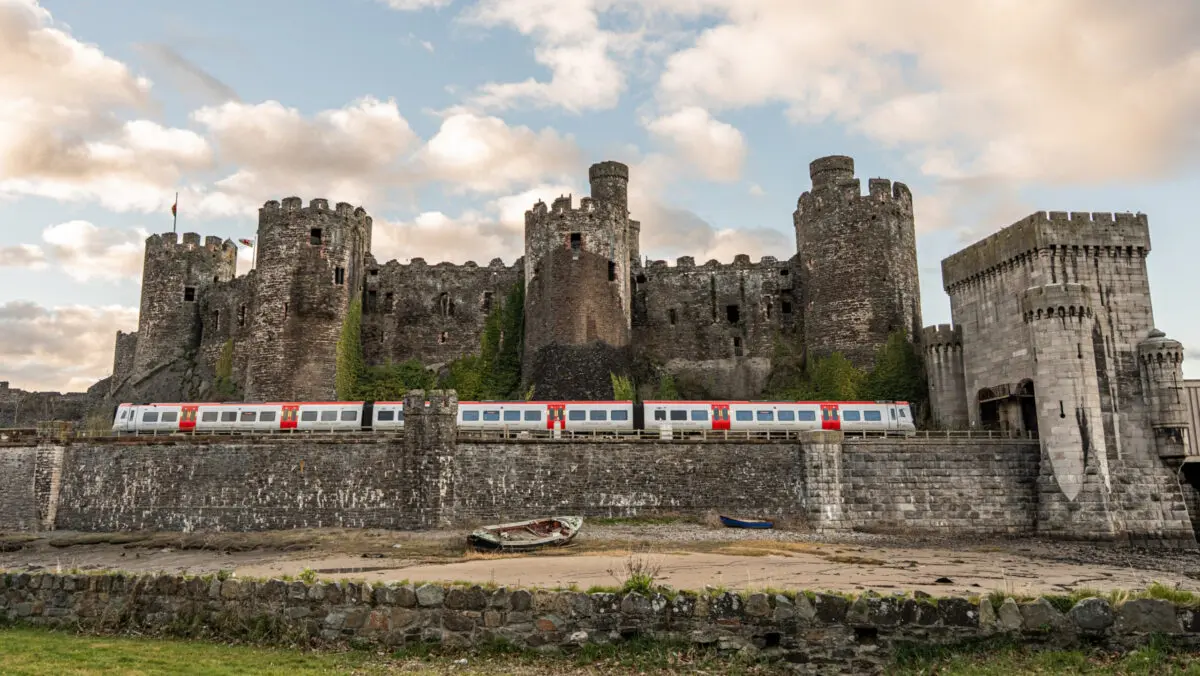
New research released on Friday shows Wales’ historic buildings, monuments and heritage sites generate more than £738 million a year for the economy and support almost 18,000 jobs.
The study, commissioned by Cadw and carried out independently by consultancy AMION, examined the full range of Wales’ historic environment – from castles and museums to parks, landscapes and heritage organisations.
It estimated that over 13 million visits are made annually to historic sites and accredited museums across the country.
Beyond ticket sales, the sector delivers a further £107 million of social value through volunteering, education programmes and community engagement.
Volunteers contributed more than 902,000 hours in the past year, a contribution valued at £9.8 million in wellbeing terms.
The report also found that many Welsh people feel a strong sense of pride in their heritage even if they never set foot inside a historic site.
Efforts to broaden access have included Cadw’s £1 entry scheme for people receiving Universal Credit, which has attracted a wave of first‑time visitors.
“This study gives us a clear and compelling picture of the true scale of heritage’s contribution to Wales.”
The research employed a mixed‑methods approach, combining organisational data collection, the Museum Spotlight Survey 2024, engagement with more than 40 stakeholders, contingent valuation surveys, economic‑impact modelling and qualitative case‑study evidence.
All figures relate primarily to the 2024/25 period, with monetary values expressed in 2026/27 prices.
Authors warned that the sector’s benefits depend on continued investment, noting that climate pressures, skills shortages and the ongoing challenge of maintaining ageing fabric all pose significant risks.
This autumn the Welsh Government is calling for evidence to shape its new Culture and Sport Strategy, a ten‑year vision that will set out priorities for heritage, the arts, creative industries, sport and physical activity.
The evidence‑gathering exercise invites individuals, community groups and organisations to share their views on how to sustain and develop the sector’s economic and social contributions.
By framing heritage as a core component of national infrastructure, the report challenges the notion that historic sites are merely tourist attractions.
With thousands of jobs, hundreds of thousands of volunteer hours and a deep sense of community pride at stake, policymakers now face mounting pressure to protect and invest in Wales’ historic environment.