
Air pollution adds avoidable strain to NHS, warns MP
Newport MP calls for air quality to be treated as a public‑health crisis, highlighting new research and local Welsh measures to curb pollutants.
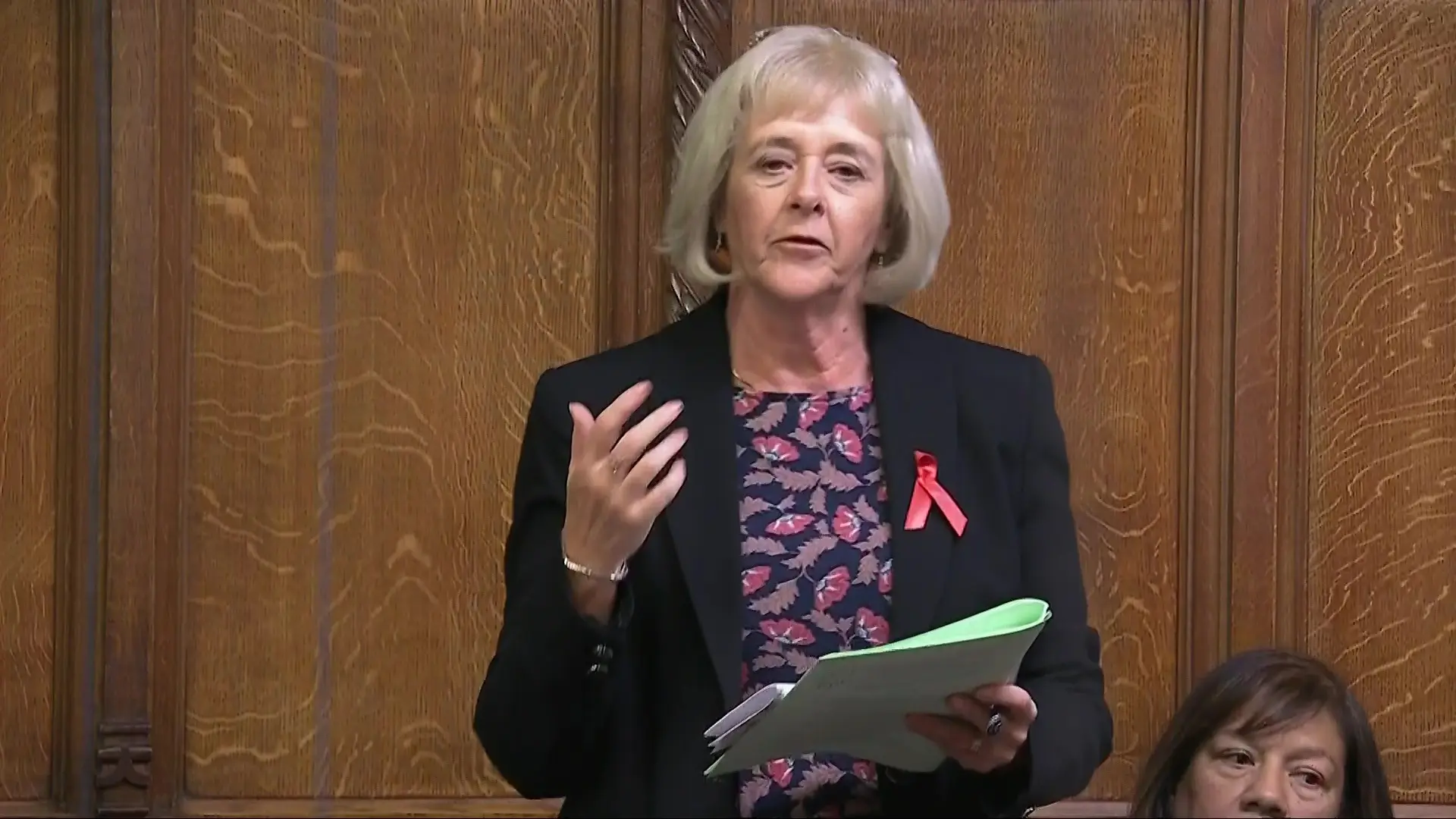
Air pollution is adding avoidable strain to the NHS, Newport West and Islwyn MP Ruth Jones warned after speaking at a New Statesman fringe event during the Labour Party Conference.
Jones said the debate must move from an environmental focus to a public‑health emergency, arguing that poor air quality deepens health inequalities and burdens the health service.
“Clean air, healthier lives: how can we tackle the unequal impact of air pollution?” This was the discussion at yesterday’s New Statesman event.
Poor air quality affects public health, deepens health inequalities, places avoidable pressure on the NHS, and shapes the everyday lives of communities across the country,” she wrote on Facebook.
She added, “This is an issue I’m extremely passionate about, and we need to shift the conversation to air pollution being a public health issue rather than solely an environmental concern.”
The remarks came as new research highlighted that fine particulate matter (PM2.5) is not confined to cities.
Rural and deprived areas such as Cannock Chase, Great Yarmouth and West Suffolk now record pollution levels comparable with major urban centres, according to the study.
Health officials have warned that long‑term exposure to such particles raises the risk of cardiovascular and respiratory disease, conditions that already strain NHS resources.
In England, DEFRA Minister of State for the Environment, Food and Rural Affairs Emma Hardy said the forthcoming Air Quality Strategy will move beyond a “box‑ticking” approach once legal limits are met.
“Work on the upcoming strategy will begin ahead of its statutory 2028 deadline, aiming to push local authorities,” Hardy told the Environmental Audit Committee.
Welsh authorities are already taking steps to monitor and curb emissions.
Newport City Council now operates 11 Air Quality Management Areas and has introduced real‑time Eco Post sensors that broadcast traffic‑light warnings via QR codes linked to the Air Sensor app.
The city became the first UK local authority to deploy the system, giving residents instant data on local pollutant levels.
Local officials also raised fines for parked‑engine idling to £150, a move intended to curb a common source of roadside pollution.
Public health experts say that such targeted measures can reduce short‑term exposure, particularly for vulnerable groups such as children, the elderly and those with pre‑existing conditions.
Cardiovascular admissions in Wales have risen in areas where PM2.5 exceeds the World Health Organisation’s recommended limit of 10 µg per cubic metre.
Data from NHS Wales shows a correlation between spikes in particulate levels and increased emergency department visits for asthma and chronic obstructive pulmonary disease.
Welsh Government health advisers have called for tighter integration of air‑quality monitoring with NHS planning, arguing that early warnings could prevent avoidable hospital admissions.
Jones urged the Welsh Government to align its climate‑action policies with health‑service capacity, noting that “every breath of cleaner air translates into fewer emergency calls and a healthier, more resilient community.”
Environmental groups welcomed the shift in rhetoric, but warned that without enforceable limits and sustained funding, progress could stall.
They pointed to the need for coordinated action across borders, as pollutants travel from rural Wales into neighbouring English counties and vice‑versa.
As the Labour Party prepares its policy platform, the emphasis on air quality as a health issue is likely to feature prominently in upcoming debates.
Stakeholders across Wales and England will be watching how the new strategy and local initiatives translate into measurable health outcomes over the next few years.