
Scarlets licence battle puts £2.6m council loan under scrutiny
Carmarthenshire council faces uncertainty as the Scarlets and Ospreys vie for the West Wales licence, raising questions over a £2.6m loan and the future of Parc y Scarlets.
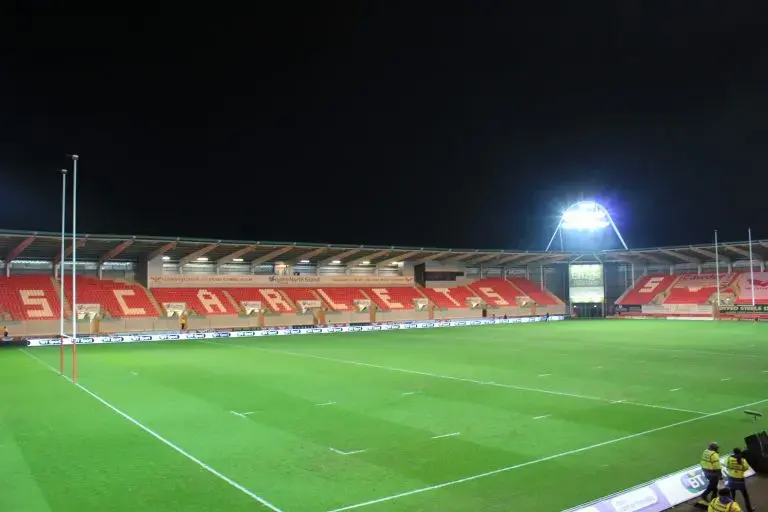
The Welsh Rugby Union’s plan to cut the professional men’s game from four clubs to three from the 2028‑29 season has thrust Carmarthenshire County Council’s £2.6 million loan to the Scarlets into the spotlight.
Under the proposed licensing model one club will represent the capital, another East Wales and a third will cover the West. Cardiff Rugby is expected to secure the capital licence, while the Dragons are poised for the eastern slot, leaving the Scarlets and Ospreys to battle for the lone West Wales place.
The licensing process is slated to begin in December, with a final decision required by the close of the 2026‑27 season.
Carmarthenshire Council owns the freehold of Parc y Scarlets and is owed £2.616 million by Scarlets Regional Ltd, a debt that originated as a £2.4 million loan in 2007 linked to the stadium’s development.
In September 2024 councillors approved a restructuring that spreads repayment over 15 years from April 2023, deferring annual instalments of £218,000 for three years and restarting them in 2026.
Interest continues to accrue at 2.2 percentage points above the Bank of England base rate, a level the council says covers its own borrowing costs and therefore does not burden local taxpayers.
The authority also highlights the club’s wider economic contribution, noting around 160 full‑time and nearly 250 part‑time jobs and a network of local suppliers that benefit from match‑day activity.
Uncertainty over which West Wales side will retain a professional licence has revived concerns about the future of the stadium, the loan and the associated economic ripple effect if the Scarlets were to lose their status.
“Two licences have effectively been earmarked and one is contested.” That is not a level playing field.
The WRU argues that consolidating to three clubs will concentrate playing talent and funding, creating a financially sustainable structure for Welsh rugby.
Each of the three licences would carry equal squad funding of £6.4 million per season, the union says, while all four current professional clubs have signed a Professional Rugby Agreement that runs until June 2028, providing short‑term financial stability.
In July, the WRU confirmed that the final licensing framework would be developed in consultation with clubs and other stakeholders before the formal process commences, acknowledging that uncertainty will linger in West Wales until the licence is awarded.
For Carmarthenshire County Council, the stakes are practical as well as political. The council is set to be asked what provisions exist within its loan and lease agreements should the Scarlets cease operating as a professional rugby club or fail to secure the West Wales licence.
Should the Scarlets lose the licence, the council would need to decide how to manage the freehold of Parc y Scarlets and the outstanding debt, a scenario that could have significant implications for local employment and the regional economy.
As the licensing timetable tightens, council officials, club representatives and the WRU are expected to engage in further discussions, but the precise contingency plans for the £2.6 million loan remain undisclosed.
The outcome of the West Wales licence battle will therefore not only shape the future of professional rugby in the region but also determine the financial and community legacy of a partnership that has spanned more than a decade.