
Pill‑on‑a‑thread trial brings oesophageal screening to Wrexham
Mobile BEST4 unit offers a simple capsule sponge test for Barrett’s oesophagus, aiming to catch oesophageal cancer early in Wrexham residents.
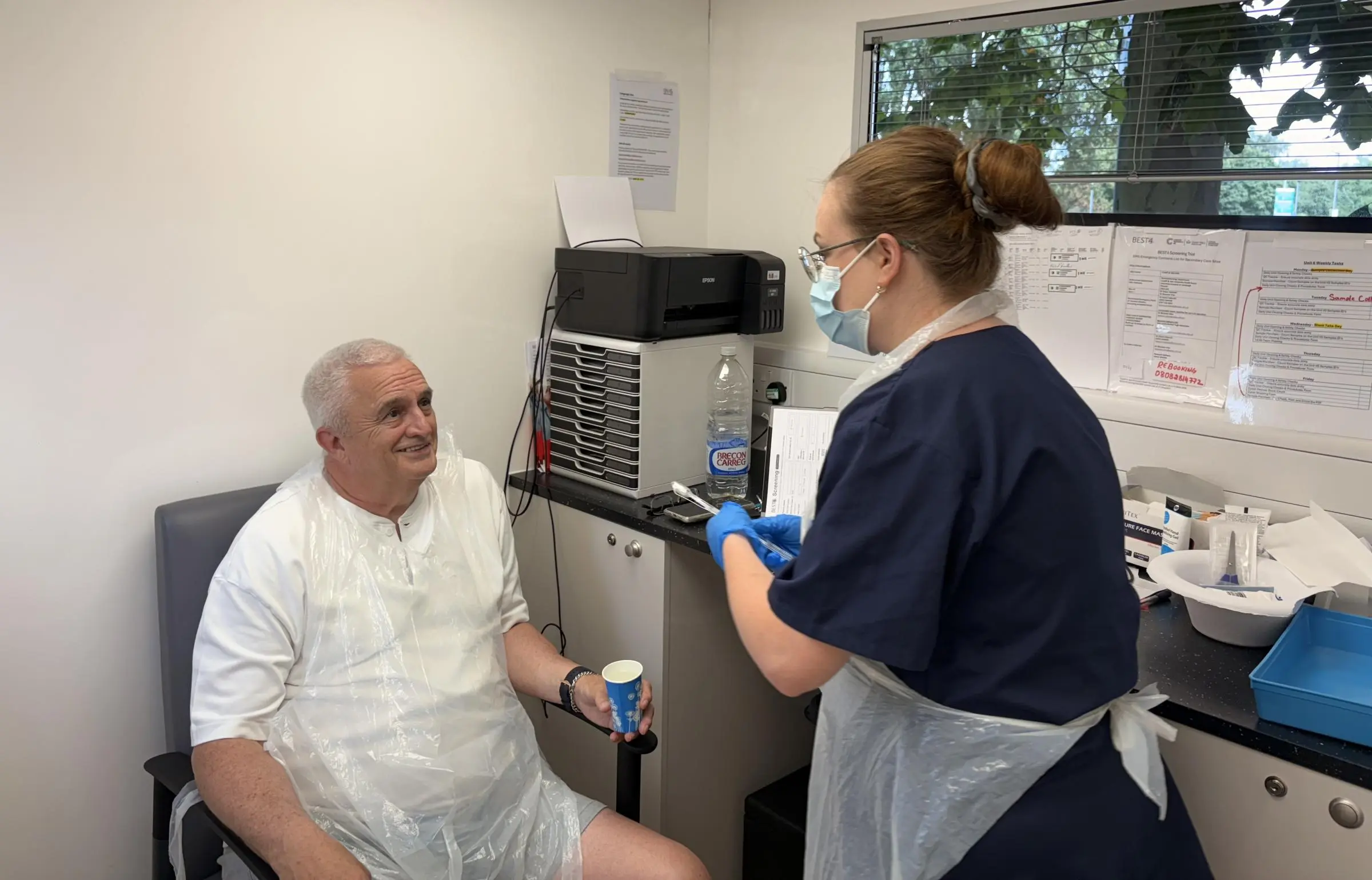
A new ‘pill‑on‑a‑thread’ cancer screening trial has arrived in Wrexham, offering a less invasive way to detect early signs of oesophageal disease.
The BEST4 mobile screening unit will be stationed outside the Asda superstore on Holt Road from Monday 9 November until Friday 20 November.
People who suffer from heartburn, indigestion or acid reflux are being invited to take part, with the aim of spotting Barrett’s oesophagus before it progresses.
The trial is open to men aged 55 to 79 and women aged 65 to 79 who experience these symptoms.
Potential participants may receive a text message from NHS Wales inviting them to join the Heartburn Health programme, and can also register via the Heartburn Health website.
Phil Walters, 68, became one of the first volunteers after living with heartburn for more than 25 years.
“I’ve lived with heartburn for more than 25 years and have taken medication for it for a long time”.
The test involves swallowing a small capsule attached to a thin thread; once the capsule reaches the stomach it dissolves, releasing a tiny sponge.
The sponge is then gently withdrawn, collecting cells from the lining of the oesophagus for laboratory analysis.
Scientists will examine the samples for markers of Barrett’s oesophagus, a condition linked to chronic acid reflux that raises the risk of oesophageal cancer.
If the analysis shows abnormal cells, participants will be referred for further diagnostic procedures under NHS guidance.
Irene Debiram‑Beecham, principal research nurse and BEST4 clinical coordinator, highlighted the simplicity of the procedure.
“We’re delighted to be bringing the BEST4 screening trial to communities across Wales”.
The mobile unit is staffed by a team of nurses and researchers who can perform the test on the spot, eliminating the need for hospital appointments.
By using a travelling clinic, the programme hopes to reach people who might otherwise find it difficult to travel to specialist centres.
Local health officials see the initiative as a step forward in early detection, potentially reducing the need for more invasive endoscopies.
The trial forms part of a UK‑wide study funded jointly by Cancer Research UK and the National Institute for Health and Care Research.
Funding bodies aim to assess whether the capsule sponge method can be rolled out nationally as a cost‑effective screening tool.
Early results from pilot sites suggest the test is well tolerated, with most participants reporting minimal discomfort.
Organisers stress that the trial does not replace routine medical advice; individuals with persistent symptoms should still consult their GP.
Community groups in Wrexham have welcomed the presence of the mobile unit, noting its potential to raise awareness of oesophageal health.
Local pharmacies have distributed information leaflets, and the trial’s website provides detailed guidance on eligibility and the testing process.
The trial will conclude on 20 November, after which collected data will be analysed and findings shared with the wider medical community.
Researchers hope the outcomes will inform future screening recommendations and improve survival rates for oesophageal cancer across Wales.