
Flintshire summer playscheme reaches 4,200 children
Flintshire’s free summer playscheme engaged over 4,200 youngsters across 49 sites, delivering 15,500 attendances and thousands of hot lunches.
Flintshire County Council’s Education and Youth teams have recorded more than 4,200 children taking part in the summer playscheme, with total attendances topping 15,500 across 49 sites.
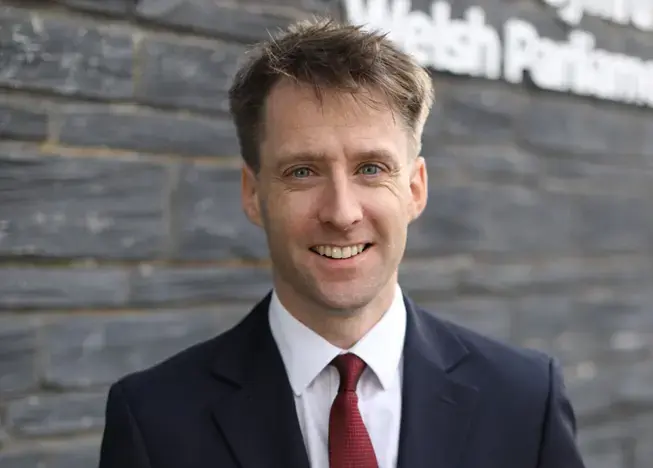
Welsh Conservative Senedd member Sam Rowlands, who represents the constituency, praised the programme as a “huge hit all round” and highlighted its role in keeping families occupied during the long school holidays.
Rowlands, a parent of three, said he understands the challenge of finding safe, engaging options for youngsters when schools close.
The playscheme, delivered by Flintshire Play Development and funded through town and community councils, offered a varied roster of sports, crafts and outdoor games.
Playworkers were stationed at each venue to supervise activities, encourage participation and ensure a secure environment for the children.
Visits from North Wales Police and North Wales Fire and Rescue Service added an extra layer of safety and provided educational moments for the young attendees.
More than 5,500 hot lunches were served during the programme, with 12 Flintshire schools hosting “Food and Fun” sessions organised by the Community Focused Schools teams.
The sessions were delivered in partnership with the Welsh Local Government Association, Gwella, NEWydd Catering and Betsi Cadwaladr University Health Board.
Rowlands noted the impressive scale of the operation, saying the figures “are fantastic” and commended the council staff and volunteers for delivering a service that allowed children to “play and make new friends in a safe and fun environment”.
He added that the playscheme not only provided recreation but also helped youngsters build confidence and social skills.
Local community groups and volunteers played a crucial role, staffing activities ranging from football tournaments to arts and crafts workshops.
The council’s summer programme was part of a broader strategy to promote youth wellbeing and active lifestyles across the county.
Data released by the council shows that attendance was evenly spread across urban and rural sites, reflecting the inclusive reach of the initiative.
Rowlands encouraged families to continue engaging with council‑run activities throughout the year, stressing the importance of sustained support for children’s development.
He concluded by inviting residents to contact his office for further information, providing his email address and a dedicated phone line.
The success of the Flintshire summer playscheme underscores the impact of coordinated community effort and targeted funding in delivering free, high‑quality activities for young people.