
Wales urges bird keepers to tighten biosecurity ahead of winter
The Welsh Government calls on all bird owners to review biosecurity now, warning of heightened avian influenza risk this winter.
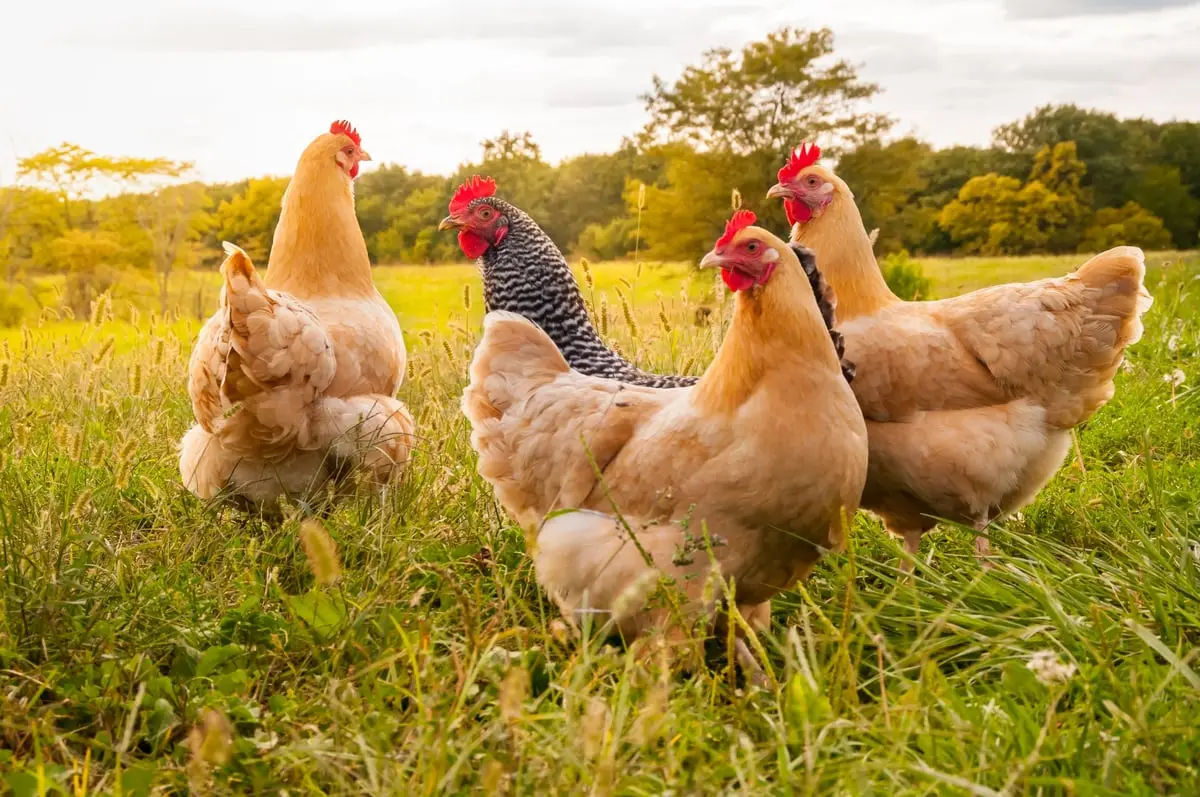
The Welsh Government has issued an urgent appeal to every bird keeper in Wales to tighten biosecurity measures now, before the higher‑risk winter period heightens the threat of avian influenza.
Officials stress that the call applies to anyone keeping birds, from a handful of pet canaries in a garden shed to large commercial poultry enterprises.
“Simple, consistent measures, such as keeping bird areas and housing clean, limiting unnecessary visitors, and preventing contact with wild birds, all help reduce the risk of disease getting in,” a government spokesperson said.
Bird keepers are asked to complete a self‑assessment checklist that outlines practical steps for daily hygiene, secure housing and controlled access.
The guidance notes that strict hygiene and biosecurity are the single most effective defence against the virus.
“Check you have strict hygiene and biosecurity in place at all times as this is the single most effective way to protect your birds from avian influenza,” the advisory document reads.
Clinical signs of avian influenza can include a swollen head, blue discolouration of the neck and throat, loss of appetite, respiratory distress, diarrhoea, a drop in egg production and increased mortality.
Anyone who observes these symptoms is urged to report immediately to the Animal and Plant Health Agency (APHA).
“I want to thank the bird keepers across Wales who remain vigilant and report any suspect signs of disease promptly to APHA.” Your continued attention to biosecurity plays a vital part in protecting flocks across the country,” the spokesperson added.
Restrictions on bird flu were lifted over the summer after an 18‑month period of controls that followed outbreaks in several Welsh counties.
Those measures, introduced in January 2025, made mandatory a range of biosecurity actions for poultry and other captive birds, aiming to block transmission from wild birds or other sources.
Veterinary officers note that the virus can survive in the environment for weeks, making thorough cleaning of coops, feeders and water points essential.
They also advise that feed and water containers be covered, and that equipment such as nets and cages be disinfected regularly.
Limiting contact with wild birds is a particular focus, with recommendations to secure lofts, use fine mesh, and avoid feeding wild birds near domestic flocks.
Bird keepers are reminded that visitors, including contractors and family members, should change footwear and wash hands before entering bird areas.
In addition, the government urges owners to keep records of bird movements, health checks and any incidents of illness, to aid rapid response if an outbreak occurs.
Local authorities will continue to monitor the situation and stand ready to deploy rapid testing teams should suspicion arise.
The winter months traditionally see increased movement of wild waterfowl, which can act as carriers of the virus, heightening the risk to captive birds.
By acting now, officials say the industry can avoid the disruption and economic loss that characterised the previous year’s outbreaks.
All bird keepers can access the self‑assessment checklist and detailed guidance on the Welsh Government’s website.
Failure to adhere to biosecurity protocols could result in mandatory culling orders, as seen in past incidents across the UK.
The message is clear: vigilance today can protect flocks and livelihoods throughout the colder season.
Bird owners are encouraged to share the guidance with fellow keepers and to remain alert for any changes in the disease landscape.
With the winter risk window approaching, the Welsh Government’s appeal underscores the importance of proactive, consistent biosecurity across the nation’s avian community.
Continued cooperation between keepers, veterinary services and authorities will be crucial in keeping avian influenza at bay.
For further information, bird keepers should consult the official advisory documents and contact APHA with any concerns.
By reinforcing everyday practices now, Wales aims to safeguard its bird populations and avoid a repeat of the severe disruptions experienced last year.
The call to action reflects a broader commitment to animal health and rural resilience as the country heads into the winter months.
Bird keepers who act promptly will help ensure that Wales remains free from a resurgence of the disease.
Authorities will review compliance throughout the season and stand ready to intervene should any breach be identified.
Maintaining strict biosecurity is presented as the most reliable shield against a potential winter wave of avian flu.
Bird keepers are urged to act now, before the risk escalates.