
One extra worshipper per church could raise St Davids attendance 10%
At the St Davids Diocese conference, leaders said adding a single member to each congregation could deliver a ten‑percent rise in worshippers, amid talks on finance and rural ministry.
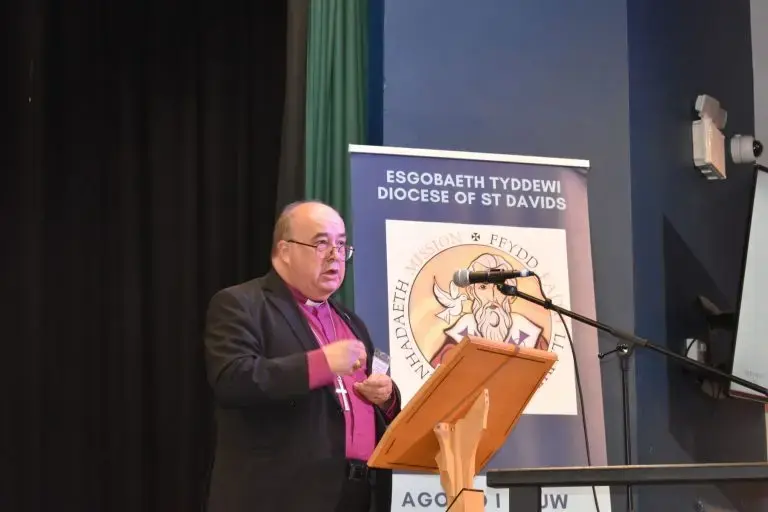
Welsh churches could see a ten‑percent rise in worshippers if each congregation welcomed just one extra member, senior clergy said at the St Davids Diocese’s annual conference. Clergy and lay representatives from Pembrokeshire, Carmarthenshire and Ceredigion gathered at Ysgol Bro Pedr in Lampeter on Saturday, 3 October, to discuss growth, financial sustainability and the future of ministry in West Wales.
The Right Reverend Dorrien Davies, Bishop of St Davids, urged churches to view small steps towards community involvement as a chance to strengthen congregations. “Our calling is to be a Church that is confident in the Gospel, rooted in our communities and always looking outwards,” he said.
“Growth does not necessarily begin with grand gestures.”
Sometimes it begins with one invitation, one conversation or one person walking through the door of a church for the first time.”
Conference data indicated that adding a single new worshipper to each parish would equate to roughly a ten‑percent increase in attendance across the diocese. The figure formed part of discussions about “Open to God”, the diocese’s mission and ministry programme that stresses inviting newcomers and sharing successful community‑engagement approaches.
Bishop Dorrien stressed that every church, irrespective of size, has a role to play in that effort. Delegates also examined the financial pressures facing rural congregations, where many churches serve sparsely populated areas and struggle to maintain services and buildings.
One topic was “Ministry Share”, a model whereby churches and Local Ministry Areas pool resources to support clergy and ministry throughout the diocese. Participants acknowledged that individual parishes are feeling the strain of rising costs while the wider Church seeks ways to remain viable.
Another initiative, “Pruning for Growth”, was presented as a method of better using people, buildings and other assets so churches can stay sustainable and community‑focused. “There will inevitably be difficult conversations as we plan for the future, particularly when we talk about our finances, our buildings and how we sustain ministry,” the Bishop warned.
“What matters is that we have those conversations openly, respectfully and with our shared mission firmly in mind.”
Safeguarding featured prominently, with delegates reviewing responsibilities to keep churches safe and welcoming for all.
The meeting also covered the Dignity Charter, which promotes respect, healthy relationships and fair treatment for everyone involved in church life. Election of new representatives and opportunities for delegates to showcase local projects rounded out the programme.
“We have challenges ahead, but we also have enormous opportunities,” Bishop Dorrien reflected. He expressed hope that attendees would return to their communities with renewed confidence to serve local people and encourage further involvement.
The conference underscored that modest, consistent outreach could deliver measurable growth, even as churches navigate financial constraints and the realities of rural ministry.