
Firefighters denied PCB tests after 1980 chemical blaze
Plaid Cymru MSPs push for blood testing of surviving firefighters from the 1980 Llwyneinion fire, but Public Health Wales refuses, citing limited value.
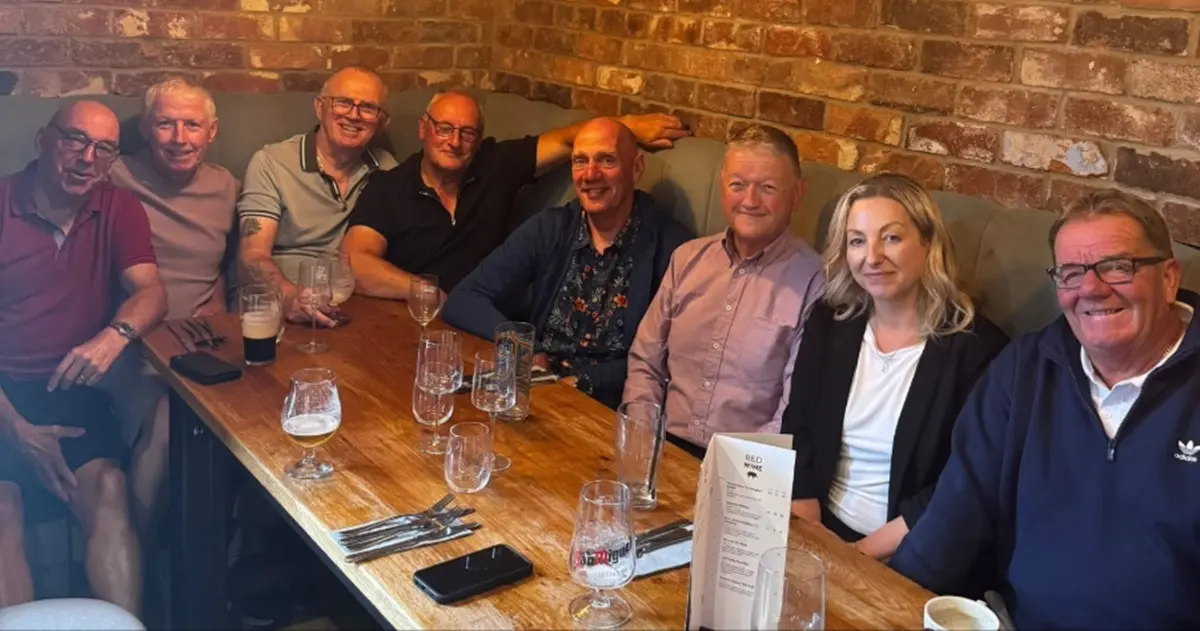
Firefighters who battled the 1980 chemical dump blaze at Llwyneinion near Wrexham have been denied blood tests for polychlorinated biphenyls after a formal request from Plaid Cymru Senedd members was rejected by Public Health Wales.
The inferno broke out in August 1980, engulfing a waste dump and forcing more than 60 firefighters to work for around 18 hours to bring the flames under control.
Renewed attention arrived with the release of Michael Sheen’s documentary, which examined the legacy of toxic waste dumping across Wales and highlighted the lingering health concerns of those who fought the fire.
Senedd members Marc Jones and Carrie Harper met a small group of surviving firefighters last week to hear their experiences and worries first‑hand.
Six of the seven men at the meeting said their wives suffered miscarriages within a year of the blaze, although no scientific link between the incidents and the fire has been proven.
Following the meeting, Marc Jones wrote to Public Health Wales on behalf of the firefighters, asking that all surviving crew members be offered blood testing for PCBs, the persistent industrial chemicals released during the fire.
Public Health Wales declined the request, stating in a 21 September statement that routine PCB blood testing is not recommended as a public‑health measure because it cannot reliably determine an individual’s exposure or predict health outcomes.
“I’m incredibly disappointed that Public Health Wales has refused the testing on the basis that the test would not establish a cause,” said Marc Jones.
“These firefighters didn’t flinch when it came to putting out this dangerous chemical fire.”
The health authority explained that PCB levels in blood can stem from a range of sources, including food, building materials and occupational exposure, and that individual metabolism affects how much remains in the body.
It added that no specific treatment exists to lower PCB concentrations and that testing could generate anxiety without delivering clear guidance on health risks.
Marc Jones argued that broader community testing could also inform decisions on cleaning up contaminated land and assigning responsibility for historic pollution.
Wrexham Council later voted unanimously to adopt an amendment proposed by Plaid Cymru councillors, calling for more extensive testing of contaminated sites and greater scrutiny of PCB presence.
“It demonstrates that pressure for action is growing and this matter is not going away,” he said.
Public Health Wales said it recognises the concerns of communities living near historically polluted land and is working with the Welsh Government and other partners to address the issue as a priority.
The refusal of PCB testing leaves the surviving firefighters without the medical reassurance they have sought for decades, while the debate over how best to monitor and remediate legacy contamination continues across the region.