
Conservative MS praised for Welsh question amid Plaid Cymru Exposed backlash
Janet Finch‑Saunders’ Welsh‑language question in the Senedd drew applause and a sharp rebuke from Plaid Cymru Exposed, reviving a debate over language use in Welsh politics.
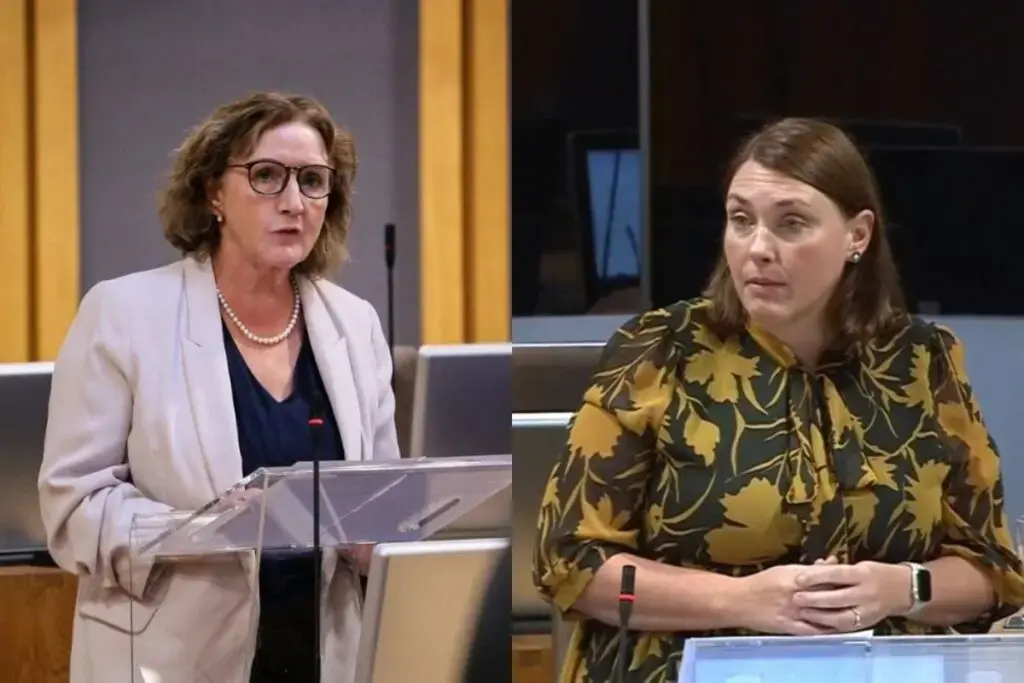
Conservative Senedd Member Janet Finch‑Saunders received applause after delivering a question entirely in Welsh, but the move sparked a sharp rebuke from the campaign group Plaid Cymru Exposed, which accused her of pandering to Plaid ministers.
The question, raised during a plenary session on NHS waiting times, was translated into Welsh and read aloud by Finch‑Saunders, prompting a chorus of “Well done, Janet” from fellow members.
Plaid Cymru’s Heledd Fychan responded with a congratulatory “Cymraeg gwych”, adding a note of thanks for the use of the language.
Social media users quickly lauded the effort, with one commentator writing that the gesture could “raise the profile of the Welsh language” and encourage more members to follow suit.
“We’ve a lot of praise for you on some issues, Janet, but this quite misses the mark.” Plaid Cymru Senedd ministers want you to address them in Welsh.
It’s like we saw the other week when you asked Heledd Fychan a question in English and she consciously replied in Welsh, knowing you aren’t able to speak the language. It makes them feel superior.
The criticism references an earlier exchange in which Finch‑Saunders asked Fychan a question in English; Fychan answered in Welsh, stating she would use the language because both are official in the chamber.
“Yes, and we have two languages here, so I will use the Welsh language to reply to your question.” Thank you.
Video evidence confirmed that the Senedd’s simultaneous translation system functioned without fault during both incidents, dispelling speculation that technical glitches had prompted the language switch.
The Senedd operates under a bilingual framework, providing live translation headsets and digital audio feeds for all plenary and committee meetings, and treats Welsh and English as equal in records and publications.
“In a country where we don’t have many language rights, one of the few places where the right to use Welsh is established is the Senedd Chamber.” Now is the time to turn the tide in favour of the Welsh language in the Senedd’s administration.
It is essential to ensure that the Senedd, including the Members themselves, are brought under the Welsh Language Standards, so that a robust legal framework is in place. We also call on all Members of the Senedd to make greater use of the Welsh language in their work.
Anti‑devolution Facebook page Senedd Waste added that a Conservative politician had been “told not to succumb to bullying” after Fychan’s insistence on answering in Welsh, accusing Plaid of using language as a deliberate imposition.
“A Conservative politician has been told not to succumb to bullying following a row in which a Plaid Cymru Senedd member pointedly refused to answer the non‑Welsh speaker in English.” Last month, Heledd Fychan insisted on answering Janet Finch‑Saunders’ question on NHS waiting times in Welsh, in the full knowledge she did not speak the language.
Yesterday, Finch‑Saunders addressed Fychan again, this time reading out a question that had been translated into Welsh.
Another anti‑devolution page, Wales for a United Kingdom, mocked the episode, suggesting the member appeared to have “some kind of medical episode” while attempting to speak Welsh.
The episode highlights ongoing tensions over language policy in Welsh politics, with cross‑party groups such as the one led by Stephen Price urging greater scrutiny of what they describe as “toxic separatist politics” while also defending the right to use Welsh in official settings.
As the Senedd continues to navigate bilingual practice, the debate over whether language use should be a matter of personal choice or a political statement remains a focal point for both supporters of Welsh language revitalisation and critics who view it as a tool of partisan advantage.