
Council plan for 270 homes risks key bat roost
Monmouthshire’s draft housing plan could threaten a vital Greater horseshoe bat roost, sparking objections from wildlife experts and campaigners.
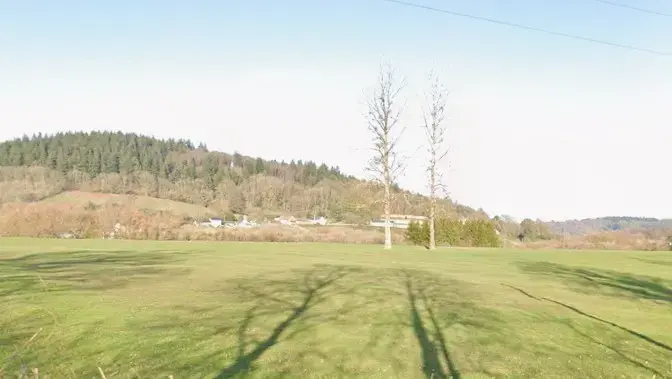
Monmouthshire County Council’s draft local development plan, which earmarks an 11‑hectare field at Leasbrook for up to 270 new homes, has drawn sharp criticism for threatening a key roost of Greater and Lesser horseshoe bats.
The proposal forms part of a wider blueprint that will guide housing and employment land use in the county to 2033, and is being examined by independent inspectors appointed by Planning and Environment Decisions Wales.
During a public hearing on Tuesday 6 October, council officials acknowledged “some scientific uncertainty” about the site’s contribution to the Forest of Dean and Wye Valley Bat Sites Special Area of Conservation, but argued that only a small portion of the bats’ foraging zone would be lost.
Natural Resources Wales (NRW) has flagged the uncertainty as a potential adverse effect, warning that the fields support the juvenile population of the nearby Newton Court stable block, a Site of Special Scientific Interest that hosts the only known maternity roost of these endangered bats in Monmouthshire.
Council ecologist Kate Stinchcombe countered that case law permits the authority to overrule NRW objections where it can provide reasons, and said there is no evidence the Leasbrook field is “critical” to the landscape.
“There is an 18‑year‑old core management plan based on maintaining a site of 80 bats.”
Director Craig O’Connor added that, while the council cannot guarantee the land will remain grazing, designating it for development would obligate any future scheme to include mitigation measures that balance housing needs with wildlife protection.
NRW’s national bat specialist Sam Dyer warned that the loss of cattle‑grazed land would diminish dung‑beetle numbers, a vital food source for young bats, and that the existing population at Newton Court is already growing at a slower rate than elsewhere.
“Compared to regions such as Pembrokeshire the rise is quite small the numbers there are now up to three times found at Newton Court.”
Local campaigner Jonty Pearce, representing the Dixton Bat Project and Gwent Wildlife Trust, said a Freedom of Information request showed the maternity roost housed 330 bats last year, indicating a decline despite recent growth.
The hearing, held in a Baptist church in Monmouth, also featured objections to sites at Mounton Road, Chepstow, former Ministry of Defence land at Caerwent, and a proposed employment zone at Newhouse Farm Industrial Estate.
Inspectors Claire MacFarlane and Julie de‑Courcey will continue to review the objections, with a decision on whether the plan is “sound” due on the basis of the evidence presented.
If approved, the Leasbrook development would become one of several new housing allocations across the county, including up to 700 homes east of Caldicot and north of Portskewett slated for consideration on 8 October.
The outcome will test how Welsh planning policy balances the urgent demand for affordable homes against the protection of one of Wales’ most vulnerable bat populations.