
Paul Davies says football wins over Cymru name row
Conservative MP Paul Davies prioritises national team success over the debate on adopting “Cymru” as Wales’ official football name, as the FAW faces pressure to seek FIFA and UEFA recognition.
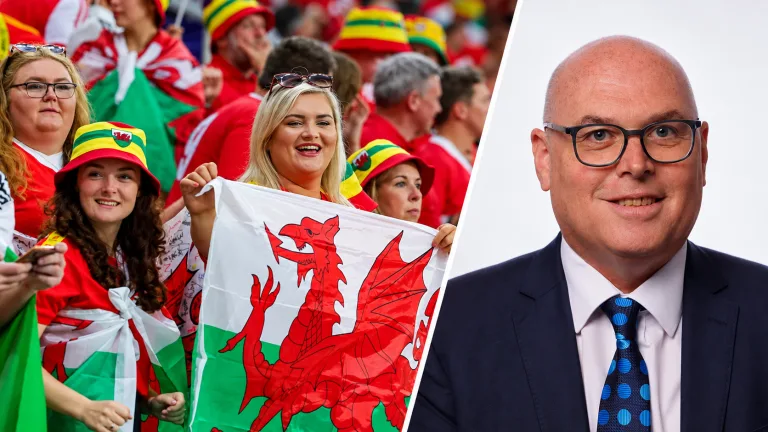
The Football Association of Wales’ decision to rename its official Facebook page “Cymru” has reignited a debate over whether the Welsh name should replace “Wales” in international football. Conservative MS and Shadow Minister for the Welsh Language Paul Davies told The Herald he is more concerned with the national team’s on‑field success than what he described as “manufactured rows” over language.
“Wales is a bilingual nation with two official languages.” I’m more interested that our national team wins competitions than manufactured rows over our official languages.”
Davies stopped short of confirming whether the FAW will formally apply to FIFA and UEFA for the teams to be listed as “Cymru”, leaving the issue unresolved.
The rebrand, announced earlier this year, simply changed the FAW’s social‑media handle; it did not constitute an official request for international recognition. FAW chief executive Noel Mooney explained in 2022 that “Cymru” is already the name used within the organisation and hinted that broader adoption could follow.
“I would say it’s the direction of travel, but there’s no firm decisions on it,” he said, noting informal talks with UEFA and Turkish officials about the “Türkiye” example. Mooney stressed that any move would require consultation with government, clubs, players and other stakeholders before a formal application could be lodged.
FIFA continues to list the country as “Wales”, while UEFA’s English‑language materials retain the same name and the abbreviation “WAL”. Thus, the Facebook change alone does not alter the name under which the men’s and women’s teams compete in European or world tournaments.
Supporters of the rebrand argue that the Welsh language should feature more prominently in the nation’s sporting identity. Opponents, including the pro‑Union campaign group Wales for a United Kingdom, claim the switch was made without public consultation.
The group’s criticism focused on the social‑media update, not on any pending application to the sport’s governing bodies. FAW officials have been asked whether the board has agreed to seek official recognition of “Cymru” for both senior squads and whether a timetable exists.
They have also been queried on any progress in talks with FIFA or UEFA since the 2022 discussions. Welsh Labour declined to comment on the matter, while the Welsh Government has yet to state whether it would back a formal FAW request.
In February, the Welsh Government announced a partnership with Team Wales for the 2026 Commonwealth Games, using a “Cymru Wales” logo that pairs the Welsh name with the English one. The dual branding illustrates how the two names already coexist in international promotion, even as the FAW pushes for a singular identity on the pitch.
International precedents exist: the United Nations adopted “Türkiye” in 2022 after a Turkish government request, and UEFA now uses the same spelling in its English‑language output. Those examples show that a change is possible, but they also highlight the procedural steps required for a sporting body to secure such recognition.
FAW’s board has not publicly confirmed whether it intends to submit a formal application to FIFA or UEFA, nor has it set a deadline for any decision. The deadline for responses to The Herald’s enquiries is midday on Wednesday, 30 September, with further statements expected from the FAW, Plaid Cymru, Reform UK and the Welsh Liberal Democrats.
If the FAW moves forward, the next phase would involve detailed negotiations with the sport’s governing bodies and likely a public consultation on the name change. For now, Paul Davies’ comments underscore a pragmatic stance: the priority remains winning matches, while the language debate continues to simmer behind the scenes.
The outcome could reshape how Wales presents itself on the global football stage, but any shift will hinge on both administrative approval and public acceptance.