
Welsh Water seeks public input on 25‑year strategy
Welsh Water invites customers to help shape its 2030‑2055 plan, balancing investment, affordability and environmental goals.
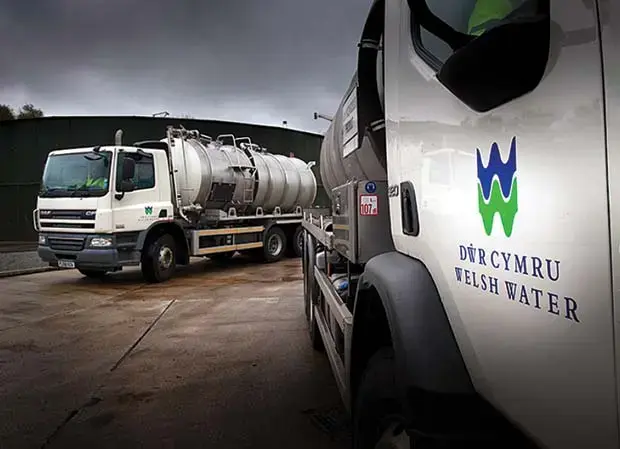
Welsh Water has launched a public consultation to shape a draft 25‑year strategy that will steer its work from 2030 to 2055.
The water and wastewater provider says the plan will balance service improvements with affordability, environmental protection and the mounting pressures of climate change.
More than 6,000 customers have already taken part after an engagement exercise at the Royal Welsh Show in July.
Now the company is inviting the wider public and other stakeholders to scrutinise the proposals before a final version is published in January 2027.
Key priorities outlined in the draft include securing reliable water supplies, cutting leakage, renewing ageing pipes and treatment works, and reducing pollution from storm overflows.
Improving river and sea water quality also features prominently, reflecting growing concerns over sewage spills and ecological damage.
Welsh Water says it is committing over £4 billion to its network between 2025 and 2030, targeting storm‑overflow reductions, infrastructure upgrades and better environmental performance.
Chief executive Roch Cheroux warned that the choices made now will affect customers for decades.
He added that, as a not‑for‑profit owned by Glas Cymru, the firm must ensure its investment delivers long‑term value for customers and communities.
Chief Strategy and Stakeholder Officer Alun Shurmer said the views gathered so far have already influenced the draft proposals.
The consultation runs until 15 November, giving households, businesses and interest groups a window to comment on whether the proposed priorities reflect the issues that matter most to them.
Welsh Water will assess whether the balance between investment and affordability meets public expectations.
Industry observers note that the water sector is under intense scrutiny over sewage pollution, rising costs and the condition of ageing infrastructure.
Recent reports have highlighted the frequency of storm‑overflow spills and the need for substantial pipe replacement programmes.
Climate change adds another layer of complexity, with extreme weather events threatening both water supplies and wastewater systems.
Welsh Water acknowledges that its long‑term strategy must adapt to increasing temperature fluctuations, drought risk and flood‑related pressures.
Customers will be asked to comment on the adequacy of the proposed investment levels and the timeline for delivering upgrades.
The company stresses that, unlike shareholder‑driven utilities, any surplus generated is reinvested rather than paid out as dividends.
This model, it argues, aligns the organisation’s incentives with the public interest and long‑term sustainability.
Stakeholders are also invited to suggest additional priorities, such as community‑led water projects or innovative leakage‑detection technologies.
Welsh Water has pledged to publish a final, consolidated strategy in January 2027, incorporating feedback received during the consultation.
The outcome will set the direction for capital spending, service standards and environmental targets for the next quarter‑century.
Industry bodies will be watching closely, as the strategy could become a benchmark for other not‑for‑profit water providers across the UK.
Welsh Water’s outreach reflects a broader trend of utilities seeking greater public involvement in long‑term planning.
By inviting customers to shape the roadmap, the company hopes to build trust and demonstrate accountability amid growing public concern over water quality and price pressures.
All comments must be submitted through the online portal before the 15 November deadline, after which Welsh Water will begin consolidating responses.
The final strategy will be made publicly available on the company’s website, offering full transparency on the decisions that will guide water services for generations to come.