
Wrexham Council urged to overhaul contaminated land checks
Independent Group tables motion to revamp monitoring of historic waste sites after BBC documentary, seeking transparency, funding and joint action.
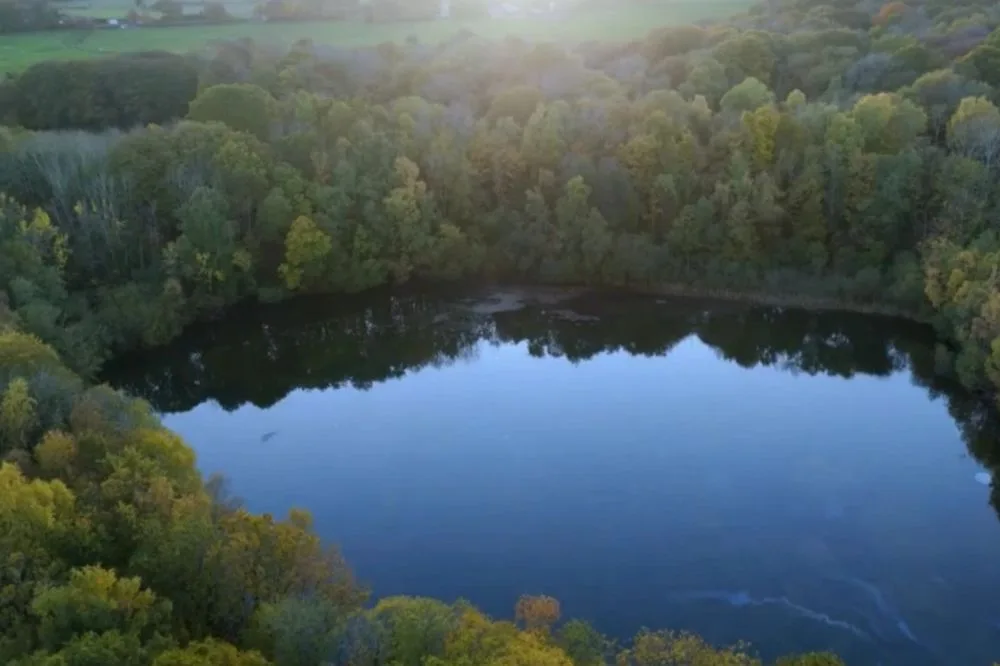
Wrexham Council will be asked on Wednesday to back a motion that could reshape how the authority monitors historically contaminated industrial land, a move prompted by the BBC’s Buried documentary.
The Independent Group, led by council leader Cllr Mark Pritchard, will table a notice of motion signed by all 23 of its elected members, calling for greater transparency, investigation and accountability over legacy waste sites.
“The BBC documentary on contaminated land and the subsequent issues it brought into the public domain has highlighted concerns relating to the legacy of contaminated and historically used sites and the experiences of communities living alongside them,” the motion reads.
Wrexham’s own records show that several former dumping grounds sit on land owned or managed by the council, including the Llwyneinion Acid Tar Lagoon, a site used by Monsanto and other firms to dispose of chemical waste.
In May 1980 the lagoon was bought by the then Clwyd County Council from the Llwyneinion Shale Brick Company for a nominal £1, with conveyancing documents stating the council “indemnifies the vendor (LSBC) from and against any past, present or future cost claims, demands or liabilities arising directly or indirectly in respect of the escape or nuisance of noxious wastes”.
Just three months later an 18‑hour inferno engulfed the lagoon, forcing more than 60 firefighters from across the region to bring the blaze under control.
Despite the fire and the documentary’s revelations, the council has maintained that, under current regulations, it does not consider the land to be contaminated.
The motion seeks to overturn that stance by urging the council to open dialogue with relevant public bodies and private landowners, establishing a clearer framework for cooperation, information sharing and prioritisation of sites where credible concerns exist.
It also calls for the council to lobby the Welsh Government and other agencies for funding to enable comprehensive environmental investigations and risk assessments across all identified sites.
“No community should feel that concerns about potentially contaminated sites are being ignored or passed from one organisation to another without clear responsibility or action,” says the motion.
The proposal includes a cooperative agreement between Wrexham Council, the Welsh Government and Natural Resources Wales to identify, investigate, monitor and remediate contaminated land throughout the borough.
“The costs associated with investigating and remediating historical contamination can be significant and may be beyond the resources available to individual councils,” the motion adds.
“There is therefore a strong case for seeking appropriate Welsh Government funding to support investigation, monitoring and, where necessary, remediation of contaminated sites.”
If passed, the motion would bind the council to a coordinated approach, aiming to prevent communities from feeling abandoned while ensuring that historic waste sites are dealt with in a systematic, funded manner.
Local residents have long voiced unease about the health implications of nearby legacy sites, and the motion’s supporters argue that a unified strategy is essential to restore public confidence.
Wrexham’s Independent Group hopes the council’s decision will set a precedent for other Welsh authorities grappling with similar legacy contamination challenges.