
Changing the image of public transport could cut Wales’s road congestion
Professor Stuart Cole argues that rebranding buses and improving service quality are essential to easing traffic jams and pollution across Welsh cities.
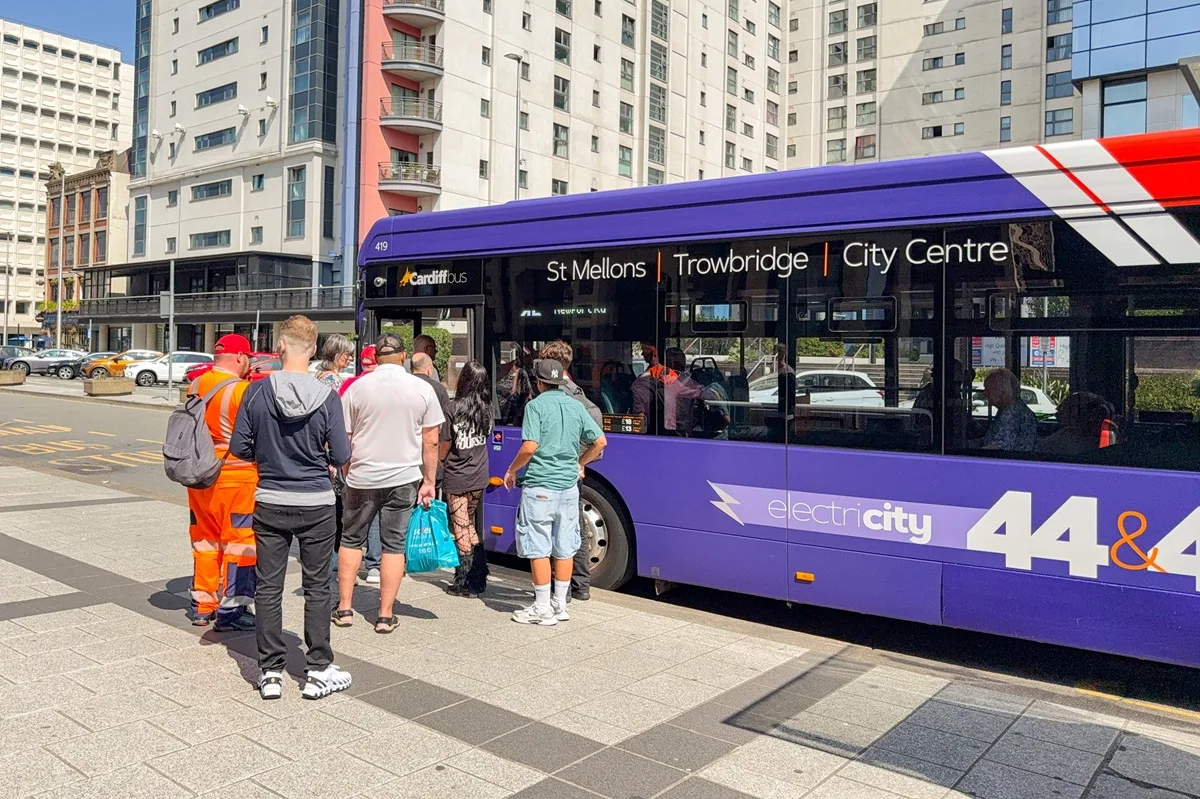
Professor Stuart Cole, CBE, emeritus professor of transport economics at the University of South Wales, warns that the public’s perception of the bus is a major obstacle to easing Wales’s chronic road congestion.
He argues that cars, not buses or vans, generate the bulk of traffic snarls that delay freight and undermine the economy.
“Heaven forfend!!” he says, echoing the panic that would follow any proposal to curb private‑car freedom, a reaction he likens to the backlash over the 20‑mph speed limit.
Cole contends that simply widening roads or building new bypasses, such as the M4 relief scheme around Newport, merely invites more traffic – a phenomenon known as induced demand.
Research dating back to the 1970s shows that each kilometre of new road capacity eventually fills up, leaving congestion levels unchanged.
Instead, he proposes a shift in how public transport is marketed and funded, insisting that a credible alternative must be both attractive and reliable.
Modern low‑emission buses, he notes, have shed the image of noisy, polluting relics, yet many drivers still view them as a last‑resort option.
Sarah Bond, chief executive of Lothian Buses, backs this view, stating, “Sustained investment and a basic ethos of customer care have achieved a high‑performing integrated network with passenger growth, a high level of customer satisfaction and operational performance”.
She points to Edinburgh’s fleet of young, environmentally friendly vehicles as proof that quality service can win over sceptical commuters.
In Wales, the challenge is to replicate such success in cities like Cardiff, Swansea and Newport, where bus frequencies have been cut in recent years.
Cole warns that restoring reduced services, for example the three‑buses‑per‑hour schedule on the Swansea‑Llanelli corridor, would be a step backwards.
He calls for a comprehensive campaign to rebrand the bus, comparing it to the long‑term public‑health drives that normalised seat‑belt use and curbed smoking.
The plan would combine persuasive advertising with strategic investment – lower fares, improved timetables, and enhanced comfort – before any restrictions on car use are introduced.
Examples from abroad, such as Dublin’s Luas tram system and its accompanying park‑and‑ride scheme, demonstrate how dedicated bus lanes can shift modal split when paired with convenient, rapid services.
Critics of bus lanes argue they reduce space for cars, but Cole stresses that the lanes were created precisely to make buses faster, thereby encouraging drivers to consider alternatives.
He also highlights the irony of proposals to open bus lanes to cars during peak periods, which would undermine the very purpose of the lanes.
While some suggest banning cars from city centres, as seen in Amsterdam, Cole cautions that such measures must be underpinned by a robust public‑transport network to avoid public backlash.
He urges senior politicians and business leaders to lead by example, commuting by bus or train to demonstrate confidence in the system.
Without a visible commitment from those in power, Cole fears the public will remain unconvinced that swapping a car for a bus can ever be quicker or more convenient.
In his view, the battle for Wales’s roads is as much about changing attitudes as it is about building infrastructure.
Only by reshaping the image of public transport and delivering a service that rivals the car in reliability and value can the country hope to curb congestion and improve air quality.