
Aberystwyth leads UK‑Ukraine geothermal pilot
Aberystwyth University and partners launch a geothermal pilot in Solotvyno, aiming to fast‑track Ukraine’s clean energy rebuild.
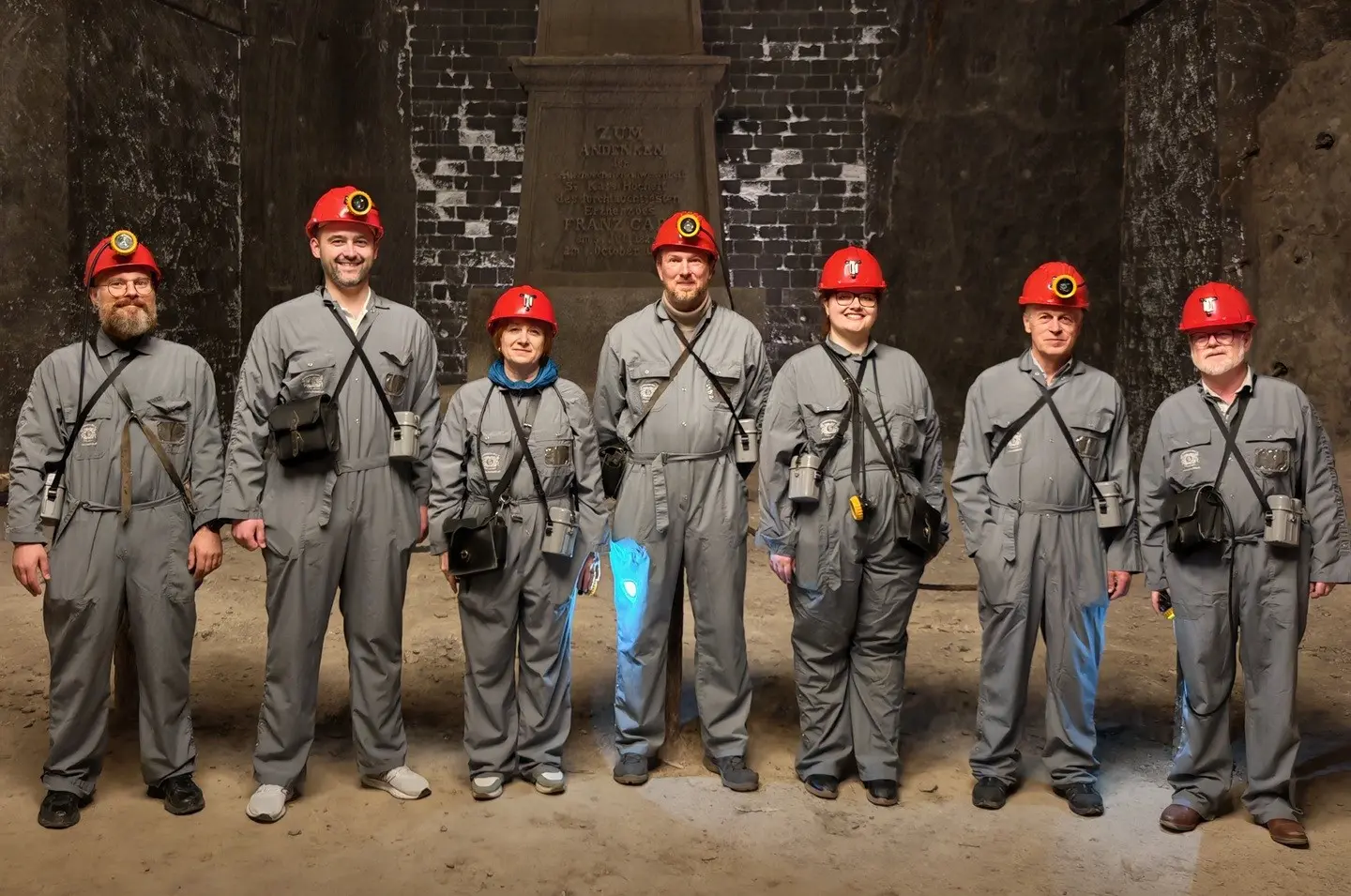
Aberystwyth University is spearheading a UK‑led effort to rebuild Ukraine’s energy system with a pioneering geothermal pilot plant.
The project, backed by South Wales‑based Rockfield Software Ltd, is being installed in the western Ukrainian town of Solotvyno, close to the Romanian border.
It forms part of the “rebuild Ukraine back better” initiative, aiming to deliver a resilient, carbon‑neutral power network for a nation still recovering from conflict.
Professor Gennady Mishuris, a leading researcher at Aberystwyth, said the team’s ambition is to “revolutionise how geothermal energy is explored and deployed, specifically focusing on the rapid recovery and modernisation of Ukraine’s energy infrastructure with enhanced geothermal systems.”
He added that the collaboration combines “world‑class mathematical modelling with cutting‑edge geomechanics and industrial expertise” to address both technical and humanitarian challenges.
The pilot plant will consist of a series of small‑to‑medium generating stations designed to operate independently of a central grid, reducing vulnerability to disruption.
Researchers from the UK, Ukraine and Poland are developing advanced models of rock properties at the microscopic level to accelerate construction.
These models are expected to cut the usual seven‑ to eight‑year exploration phase by at least two years.
They will also forecast reservoir behaviour over an estimated 30‑year lifespan, improving reliability for future deployments.
JSC Ukrgasvydobuvannya, a Ukrainian state‑owned gas extraction company, is a key partner in the venture.
Taras Shevchenko National University of Kyiv contributes extensive geological data dating back to the Soviet era.
Aleksei Karpenko of the Kyiv university explained that the project “draws on expertise that our team has developed over several decades” and merges historic data with modern digitalisation.
He highlighted the role of “physics‑driven AI systems” in enhancing analytical capabilities.
Poland’s Oil and Gas Institute brings additional scientific depth to the consortium.
Dr Tomasz Topór of the institute described the work as both “scientific and logistical” in nature.
He noted that the team had to “go inside the rock – understand its petrophysical, geomechanical and thermal properties at the microscale and translate them into geothermal system modelling.”
The Solotvyno Local Council has granted support, facilitating site access and community engagement.
Local residents are being briefed on the plant’s potential to provide stable electricity and create jobs.
Funding for the project comes from the Innovate Ukraine programme and the UK International Development sector.
Both bodies view the initiative as a model for rapid, sustainable infrastructure rebuilding in post‑conflict settings.
By integrating cutting‑edge science with on‑the‑ground expertise, the consortium aims to demonstrate a scalable template for other regions with similar geology.
Success could see a network of geothermal stations spreading across Ukraine’s western territories, reducing reliance on imported fossil fuels.
Energy analysts note that geothermal energy offers a low‑carbon alternative that can operate continuously, unlike intermittent wind or solar sources.
The pilot’s design incorporates modular components, allowing swift installation and easy maintenance.
Aberystwyth’s involvement underscores the university’s growing reputation in applied geoscience research.
Professor Mishuris stressed that the project is “more than a technical endeavour: it is a commitment to sustainability, social inclusion, and international solidarity.”
He affirmed that the team’s work will feed into broader European efforts to decarbonise energy systems.
Stakeholders anticipate that the plant will begin generating power within the next two years, pending final regulatory approvals.
Should the pilot meet its performance targets, it could attract further investment from both public and private sectors.
The initiative reflects a wider trend of UK universities partnering with overseas allies to address climate and energy security challenges.
As the world watches Ukraine’s reconstruction, the geothermal project stands out as a tangible example of scientific collaboration delivering real‑world impact.