
Wales off track on 2030 nature goals, report warns
New Wildlife Trusts Wales report says only 2.1% of land and 1.2% of sea meet effective protection, urging urgent funding and legal commitments.
Wildlife Trusts Wales has warned that the nation is falling far short of the 30 % protection target for land, freshwater and sea set for 2030.
The charity’s new “Route Map to Recovery – Fixing Nature in the UK” report, released on 6 October, finds only 2.1 % of Welsh land and 1.2 % of its seas currently meet the criteria for effective conservation.
Those figures refer to areas that deliver healthy habitats and thriving wildlife, not merely zones with a protected designation.
Rachel Sharp, director of Wildlife Trusts Wales, said: “Wales is running out of time to reverse nature’s decline.” Warm words and distant ambitions will not recover nature.”
She called for clear, costed and legally binding commitments, backed by long‑term funding, measurable milestones and public accountability.
The report draws on the Joint Nature Conservation Committee’s assessment of progress towards 23 national biodiversity targets aligned with the Global Biodiversity Framework.
According to that assessment, only three targets are on track for 2030, progress on 19 is insufficient and one remains unknown.
The findings arrive as the Welsh Government prepares its Climate and Nature Action Plan, a strategy that aims to combine net‑zero goals for 2040 with nature recovery ambitions for 2050.
In August the government announced a Climate and Nature Board, chaired by Cabinet Minister Llyr Gruffydd, to steer the plan and hold delivery to account.
The board is expected to embed climate and nature considerations across policy areas such as food, farming, housing, transport and health, while tackling pressures like flooding, polluted rivers and declining wildlife.
For coastal counties such as Pembrokeshire, the report stresses the need for marine areas to be managed for whole‑site health, with damaging fishing activities excluded where stronger protection is required.
It also urges better enforcement of Sites of Special Scientific Interest and increased investment to improve the condition of protected habitats.
Pollution, fragmented habitats and damaging development are identified as the main pressures that must be addressed alongside restoration work.
On farmland, the charity recommends directing more Sustainable Farming Scheme funding towards its Optional and Collaborative layers to support more ambitious nature recovery.
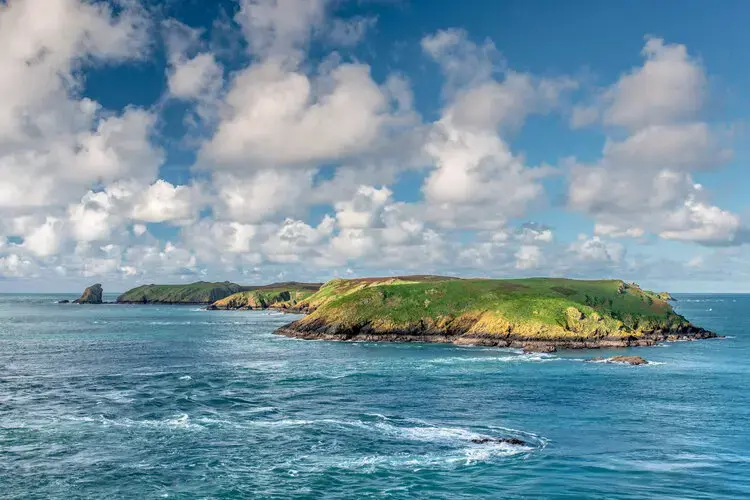
Local action is already underway; earlier this year the Wildlife Trust of South and West Wales took over management of Pembrokeshire’s Middleholm Island under a 20‑year lease from National Trust Cymru, protecting vital seabird colonies.
The report highlights that healthy rivers, soils, wetlands, woodlands and seas underpin food and water security, public health and resilience to flooding and drought.
The UN biodiversity summit in Armenia, scheduled for 19‑30 October, will review global progress against the 2022 framework, putting Wales’s performance under international scrutiny.