
Red squirrel and pine marten project gets extension boost
Conservation partnership secures funding extension to bolster red squirrels and pine martens in North Wales, with new genetics work and community training.
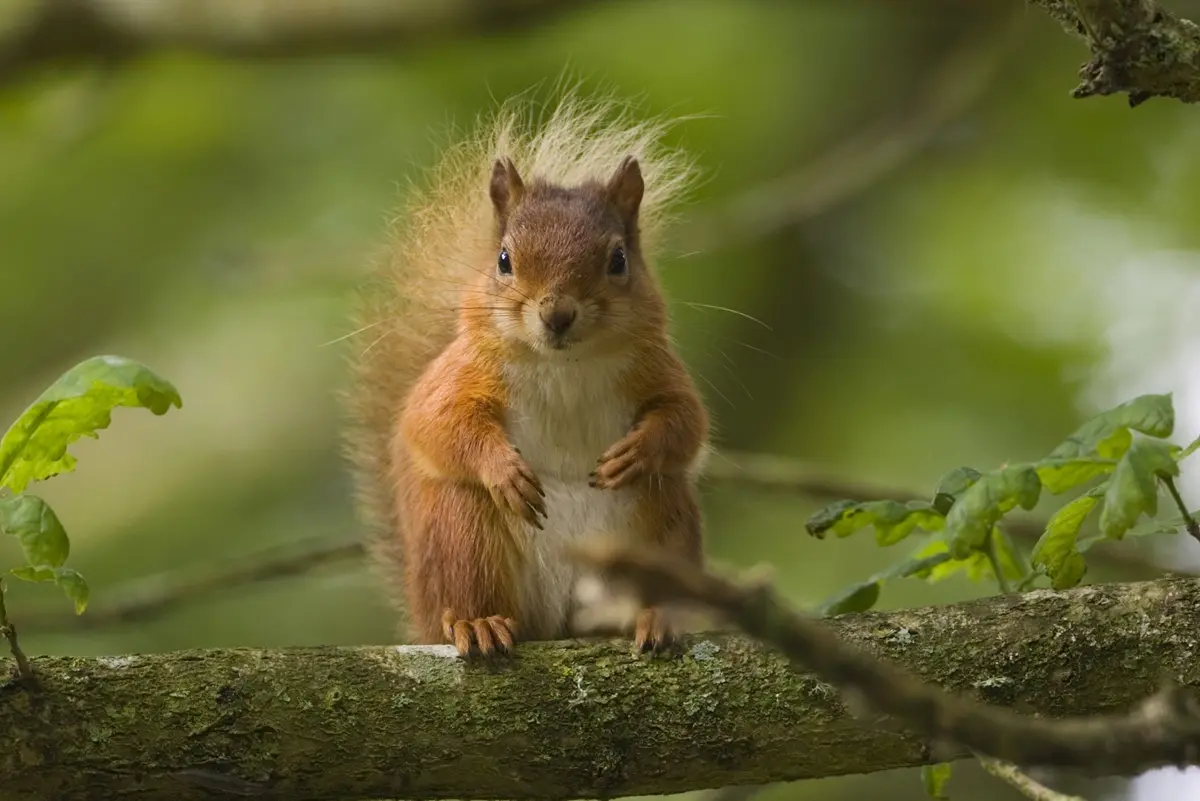
North Wales’ iconic red squirrels and their elusive predator, the pine marten, have received a fresh boost as the Magical Mammals conservation programme secures a funding extension.
The partnership of Red Squirrels Trust Wales, Clocaenog Red Squirrels Trust and Natural Resources Wales will now continue its work in Clocaenog Forest and surrounding woodlands.
Red squirrel numbers have fallen sharply across Wales in recent decades, driven by competition from non‑native grey squirrels and the spread of squirrelpox virus.
North Wales remains one of the species’ most important strongholds, making the region a focal point for recovery efforts.
Since the project began, captive‑bred red squirrels have been released into Clocaenog Forest to bolster existing populations.
At the same time, pine martens have been reintroduced into carefully selected sites in north‑west Wales, restoring a natural predator that helps control grey squirrel numbers.
Volunteers have built release enclosures, installed nest boxes, provided supplementary feeding and supported intensive monitoring.
“It’s fantastic to see red squirrels and pine martens being supported and making real progress after struggling for so long.” Much of this work has taken place in forests managed by NRW, and we’re proud to have played a part in helping these species recover.
This project has shown what can be achieved when conservation organisations, volunteers and local communities work together. The extension means we can build on that success and continue supporting one of Wales’ most iconic native mammals for years to come.”
The extension will focus on analysing pine‑marten genetics, training volunteers to operate squirrel‑monitoring cameras and intensifying grey‑squirrel control.
Genetic sampling aims to clarify the status of pine martens in Gwynedd woodlands, informing future reintroduction strategies.
Local people will receive practical training to use camera traps, enhancing data collection on both species.
“By combining scientific research, practical conservation and community involvement, we have given red squirrels and pine martens a stronger future in north Wales.” Just as importantly, we’re equipping local people with the skills and knowledge to play a lasting role in protecting these remarkable species for years to come.”
Workshops and volunteering activities have equipped residents with hands‑on conservation skills, fostering a deeper connection with the local environment.
Community engagement has proved vital, with volunteers reporting a sense of ownership over the woodland’s wildlife.
Julian Mason, Chair of the Clocaenog Red Squirrel Trust, welcomed the news.
“It’s great news for red squirrel conservation in north Wales.” CRST volunteers can look forward to receiving further support from the dedicated Magic Mammals red squirrel ranger who has already made a significant impact through successful local community engagement and volunteer support.
As well as the conservation work that is already undertake, CRST are looking forward to being involved in further citizen science activities that support and protect the presence of red squirrels in Clocaenog Forest.”
The project is funded by the National Lottery Heritage Fund, underscoring the importance of heritage‑linked wildlife initiatives.
With the extension secured, the Magical Mammals team aims to build on early successes and move towards self‑sustaining populations of both red squirrels and pine martens.
Continued collaboration between conservation bodies, volunteers and local communities is set to shape the future of Wales’ native mammals.