

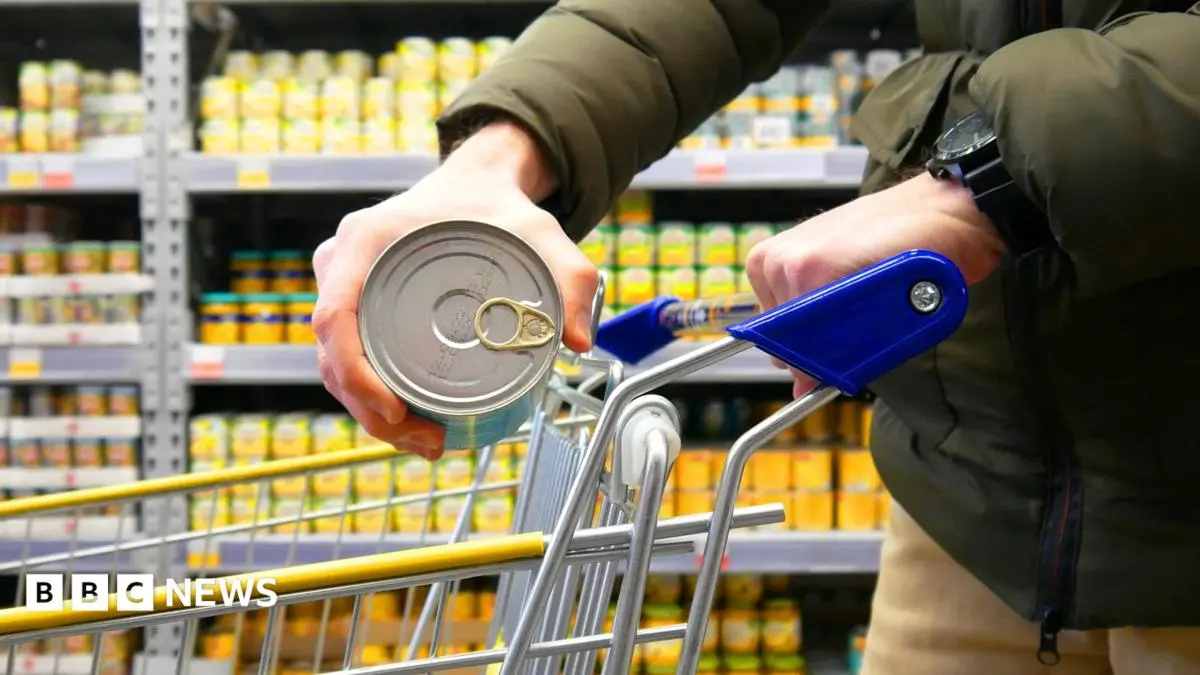
Sales of essential emergency supplies surged across the UK in the ten days following the launch of the government’s “Be Ready” campaign on 22 October, new retail data reveals. Research from Worldpanel by Numerator indicates that hand sanitiser sales increased by 83%, while bottled water purchases rose by 67% and tinned and jarred goods climbed by 37%. The spike in consumer activity directly followed the public awareness drive encouraging households to stockpile provisions in preparation for potential service disruptions.
The government initiative specifically urged citizens to maintain a three-day supply of food and water in their homes to mitigate risks from severe weather or cyberattacks. Recommended items included wet wipes, a torch, and cash, aiming to ensure basic resilience during critical infrastructure failures. This strategic shift in consumer behaviour marks a significant response to official guidance on national preparedness.
Despite the sharp rise in volume, analysts emphasise that the increase reflects rational planning rather than panic buying. Worldpanel noted that while households were actively stockpiling essentials, the pattern did not align with frenzied purchasing behaviour. The data suggests a measured approach to securing necessary supplies for potential emergencies.
Fraser McKevitt, head of retail and consumer insight at Worldpanel by Numerator, stated: “Shoppers clearly took notice of the ‘Be Ready’ campaign, but this wasn’t panic buying, with less than a third of households buying bottled water in October. He added: “Growth came from more people adding the recommended items on the government’s checklist to their weekly shop, not from shoppers piling their trolleys high, which is very much in line with what the government wanted households to do.
Financial data underscores the scale of this shift in consumer spending habits across the retail sector. Sales of tinned and jarred goods rose from £58.2m in the ten days to 2 November 2025 to £79.5m over the same period in 2026. This substantial increase highlights the tangible economic impact of the preparedness campaign on grocery retail.
Bottled water sales jumped from £13.6m to £22.8m compared with a year earlier, demonstrating a clear preference for secure water sources. Hand sanitiser sales also climbed significantly, rising from £497,000 to £908,000 in the same comparative period. These figures confirm that hygiene and hydration products were central to the stocking-up trend.
Further evidence of the campaign’s impact emerged from food firm Princes, which reported a notable rise in demand for its products. The company noted increased sales of tinned tuna, meat, and vegetables following the government’s public appeal. This corporate data corroborates the retail research findings regarding consumer behaviour changes.
Giuseppe Mastrolia, interim chief executive of Princes, commented on the surge in demand for their core categories. He said the jump “further reinforces the relevance of our core categories in providing affordable, nutritious and convenient food solutions. The remarks highlight the strategic importance of shelf-stable foods in modern household emergency planning.
The “Be Ready” campaign warns that severe weather and cyber attacks could disrupt essential services, necessitating household self-sufficiency. It advises keeping bottled water and long-life food that does not require refrigeration, such as dried fruit and nuts, readily available. Prime Minister Andy Burnham has reinforced this message, stating everyone should have “those supplies in the house to get you through those moments.
Disaster recovery expert Lucy Easthope previously told the BBC that the UK was playing “massive catch up” to other European nations in terms of preparedness. She cited France, Germany, Denmark, Sweden, and Norway as examples of countries with more established emergency readiness frameworks. This comparison highlights the evolving nature of UK civil defence strategies.
Reporting verified from official briefings and primary coverage by www.bbc.co.uk.

















Reader Discussion & Comments (0)
Join the conversation. All comments are moderated in accordance with our editorial standards.