
Why Is Wales Called Wales? The Real Origin
Wales’ landscape reads like a living lexicon, with two millennia of linguistic layers etched into every hill, river and settlement. From the Celtic roots of ancient forts to the Norse echoes of Viking explorers, the country’s place names reveal a tapestry of cultures that have shaped the nation’s identity. Understanding these names offers insight not…
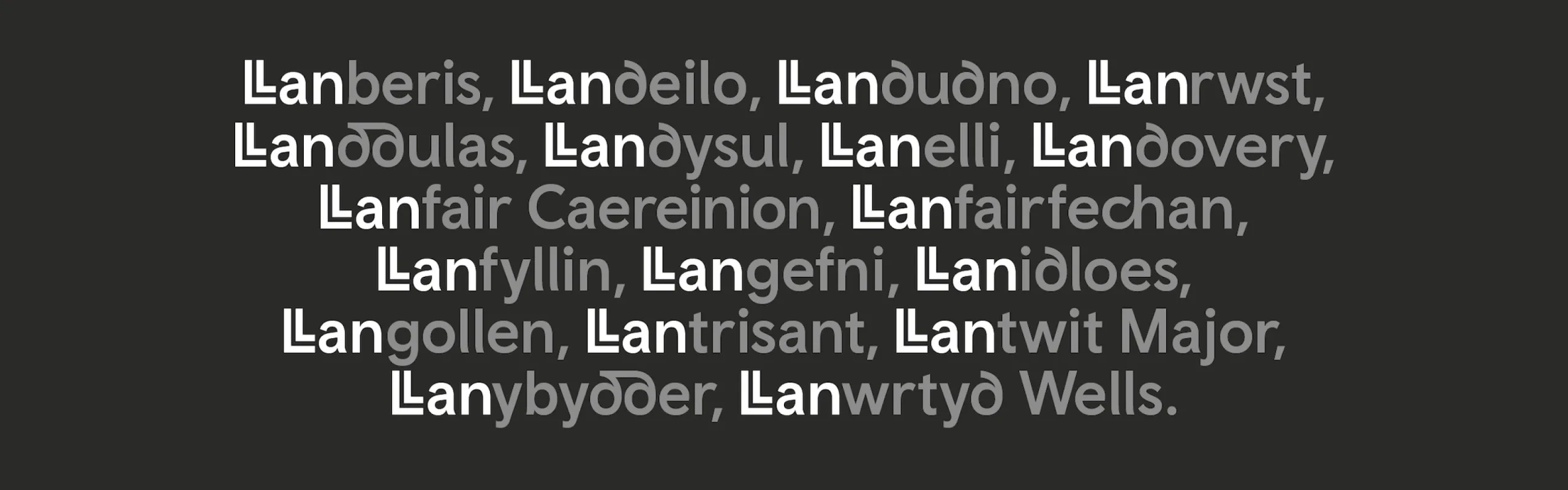
Wales’ landscape reads like a living lexicon, with two millennia of linguistic layers etched into every hill, river and settlement. From the Celtic roots of ancient forts to the Norse echoes of Viking explorers, the country’s place names reveal a tapestry of cultures that have shaped the nation’s identity. Understanding these names offers insight not only into geography but also into the peoples who have called the land home.
Welsh and Norse Roots in Urban Names
The capital, known in English as Cardiff, derives from the medieval Welsh form Caerdyf, itself a combination of the common Welsh noun caer meaning “fort” and a form of the river name Taf. Linguists trace the original meaning – “the fort on the river Taff” – to the British language spoken during the Roman occupation two thousand years ago. Similarly, the city of Swansea bears a Welsh name, Abertawe, which plainly denotes the “estuary of the River Tawe”, yet its English name originates from Old Norse, commemorating the island (“ey”) of a Viking named Svein.
Further north, the island of Anglesey likely honours another Norseman, Ongul, while the Welsh name for the island, Môn, persists alongside the mainland opposite, Arfon, meaning “opposite Anglesey.” The principal town of Arfon, Caernarfon, evolved from Caerynarfon, translating to “the fort in the land opposite Anglesey.” These examples illustrate how Norse and Welsh elements coexist, each preserving a distinct historical narrative.
Anglo‑Saxon and Victorian Influences
Anglo‑Saxon settlers left their mark in north‑east Wales, naming a settlement in present‑day Flintshire Preosta‑tun, “the priests’ farm.” The name survived in English as Preston, while in Wales it retained a form closer to the original – Prestatyn. Welsh place names have also been reshaped by English adoption; the Welsh Dinbych, meaning “the little fort”, gave rise to the English towns Tenby in Pembrokeshire and Denbigh in Denbighshire, both retaining the original rhyme despite divergent spellings.
Victorian sensibilities sometimes altered meanings to suit contemporary tastes. The village near Swansea called Cwmrhydyceirw appears to mean “the valley of the ford of the deer”, yet 19th‑century records show an earlier form, Cwmrhydycwrw, meaning “the bridge at the ford of the beer.” The substitution of ceirw (deer) for cwrw (beer) reflects a Victorian yearning for respectability, a change that persists even as the local pub proudly bears the name The Deer’s Leap.
The Name Wales and Cymru Explained
The English name Wales stems from an Anglo‑Saxon word for “foreigners”, specifically those under Roman influence. In contrast, the Welsh name Cymru originates from the plural of Cymro, “a Welshman”, which itself likely derives from the earlier Brittonic term combrogos, meaning “a compatriot” or “a fellow‑countryman.” This linguistic lineage underscores how the very name of the nation encapsulates a history of external perception and internal self‑identification.
Perhaps the most famous illustration of Welsh place‑name ingenuity is the village of Llanfair‑Pwllgwyngyll‑gogerychwyrndrobwllllantysiliogogogoch on Anglesey. In the mid‑19th century a local shopkeeper extended the original Llanfair Pwllgwyngyll (“St Mary’s church at the pool of the white hazel trees”) with a lengthy suffix to attract railway tourists. The resulting 58‑letter name, translating to “St Mary’s church at the pool of the white hazel trees near a rapid whirlpool and the Church of St Tysilio of the red cave”, now adorns a sign that draws visitors from around the globe.
From Roman forts to Viking islands, Anglo‑Saxon farms to Victorian re‑interpretations, Wales’ place names serve as a linguistic map of its diverse past. Each name, whether preserved in Welsh or Anglicised, offers a window into the cultures that have traversed and settled the land, reinforcing the country’s rich heritage and the enduring power of language to shape identity.