
Dialysis patient faces reduced treatment over ambulance failures
72‑year‑old Clifford Davey may cut dialysis sessions after repeated ambulance transport failures leave him stranded.
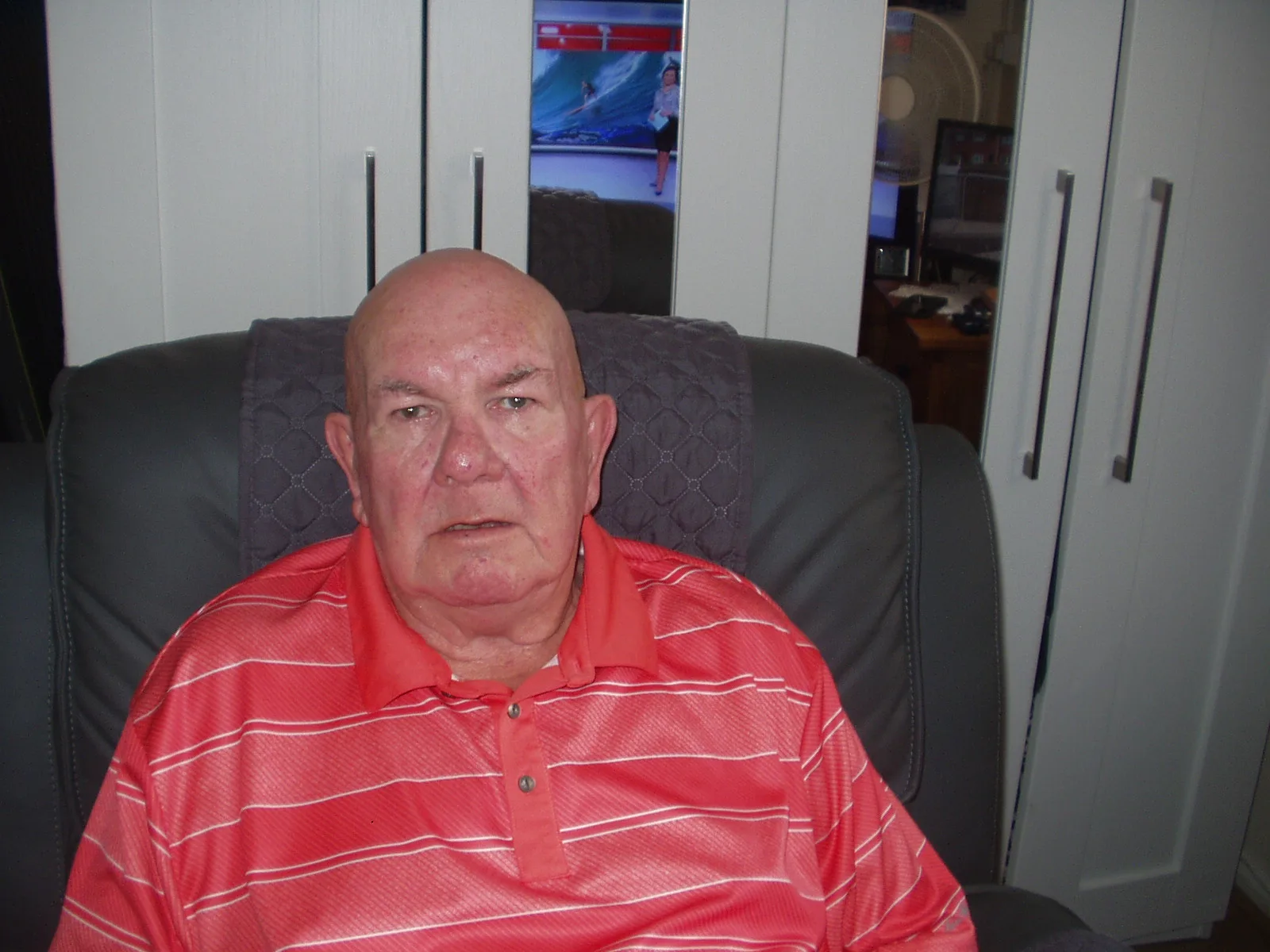
Clifford Davey, a 72‑year‑old from Blackwood, may have to cut back his thrice‑weekly dialysis sessions after repeated failures of the ambulance service that should ferry him home from the Mamhilad renal unit.
Davey has relied on the non‑emergency patient transport service since he stopped driving, a change forced on him by age and health concerns.
“I have been going for two and a half years, and I used to drive myself.” Now, I’ve got to rely on the ambulance service and it’s a nightmare,” he told the newsroom.
On a recent Friday, he arrived for treatment at about 4 pm only to be told by a nurse that no transport was available, leaving him to ask his daughter to leave work early to collect him.
“I was there on Friday at about 4pm, and one of the nurses came over to me and said can you get someone to pick you up, there’s no transport to bring you home.” So, my daughter had to come out of work early to bring me home,” he added.
Davey’s dialysis schedule runs from 1 pm to 5 pm, a slot chosen so he can tend to his wife, who is recovering from a stroke and is visually impaired.
“I do the afternoon shift because of my wife so I can sort her out before I go.” It’s hard for me – some days I feel awful, I feel quite ill – but you’ve got to plod on, nobody else is going to do it,” he said.
He complained that the transport team seemed unaware of patients’ whereabouts, questioning the lack of coordination.
“They know what people they’re picking up, surely they know they need to take them home,” Davey remarked.
When the service does run, patients are often dropped off in distant towns such as Ebbw Vale and Abertillery, extending the journey home.
“A couple of weeks ago, I came off the machine at 4.55pm, and at 6pm I was still there waiting for my ride home,” he recounted.
Frustrated, Davey skipped a session on Monday, saying he had “just had enough” and was considering reducing his attendance to two days a week to avoid extra costs for a sitter for his wife.
“I didn’t go on Monday – I had just had enough.” It’s one thing getting there and then you’re wondering if you’re going to get home.
I have to have a sitter with my wife, I might have to start going two days a week, because I am having to pay the sitter extra hours,” he explained.
The Welsh Ambulance Service, which provides the transport, issued a statement through Mark Harris, Assistant Director of Operations for the Non‑Emergency Patient Transport Service.
“We are very sorry to hear about Mr Davey’s experience and understand how disappointing and distressing it must have been when the transport he was relying on was unavailable,” Harris said.
He added that unforeseen operational pressures on the day meant the scheduled return journey could not be delivered.
“Due to unforeseen operational pressures on the day, we were unable to provide his return journey at the scheduled time,” Harris explained.
The service worked with the dialysis unit to find an alternative, but the patient was left waiting.
He acknowledged the vital role of reliable transport for dialysis patients and apologised for the inconvenience caused.
“We recognise the importance of reliable transport for patients attending regular dialysis treatment and are sorry for any concern or inconvenience caused,” Harris affirmed.
The ambulance service is now consulting patients and stakeholders on changes to the eligibility questionnaire for the transport scheme.
“We are currently engaging with patients, the public and other stakeholders on proposed changes to the questions we ask when assessing eligibility for our Non‑Emergency Patient Transport Service,” Harris said.
He said the proposals aim to prioritise those with the greatest need and improve journey planning to reduce cancellations.
“These proposals aim to ensure that transport is prioritised for patients with the greatest need, while helping us to better plan and manage journeys, reduce cancellations and provide a more reliable service for those who depend on us,” Harris concluded.
Davey’s case highlights the pressure on a service already stretched by rising demand, and raises questions about how vulnerable patients will be supported if transport reliability cannot be guaranteed.