
Welsh ambulance service makes strides but handover delays persist
New HIW report shows significant progress in Welsh Ambulance Service, yet delayed patient handovers remain a systemic risk.
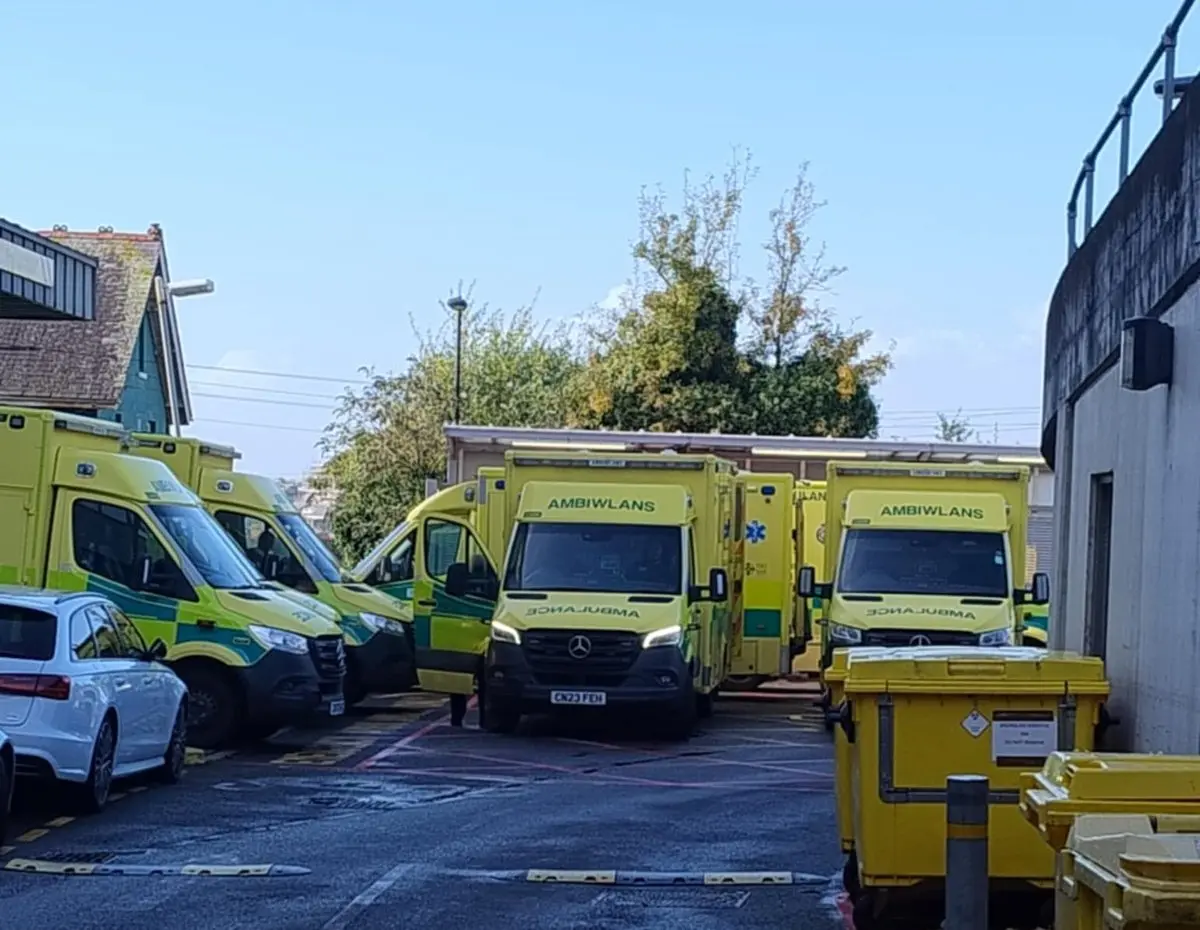
Healthcare Inspectorate Wales (HIW) has concluded that Welsh Ambulance Services University NHS Trust (WAST) has made “significant progress” since the 2020 and 2021 reviews, yet delayed patient handovers continue to pose a serious challenge.
The latest inspection examined five key domains: patient flow and handovers, management of operational pressure, patient communication, leadership and governance, and data quality.
Inspectors found that many of the improvements identified in earlier reports are now embedded in routine practice, particularly in leadership, workforce support and digital governance.
Clinical decision‑making has been strengthened, allowing staff to direct patients to appropriate care pathways without necessarily attending an emergency department.
HIW highlighted several initiatives that provide earlier clinical assessment, helping to triage patients more effectively and reduce unnecessary hospital arrivals.
Data show that handover lost hours in November 2025 fell to the lowest level recorded in four years, indicating a measurable improvement in handover performance.
Nevertheless, the report stresses that delayed ambulance handovers remain the most significant risk across the urgent and emergency care system.
Alun Jones, chief executive of HIW, warned that the issue is a whole‑system problem that WAST cannot resolve in isolation.
Jones added that the Trust’s response to earlier findings has been encouraging, noting evidence of strengthened clinical decision‑making and alternative care pathways.
Despite these gains, the inspectorate called for stronger evidence that the changes are translating into lasting benefits for patient safety and staff wellbeing.
HIW’s recommendations focus on enhancing patient safety, improving the patient experience, bolstering staff development, fostering organisational learning and refining data quality.
The regulator will continue to monitor WAST’s progress through ongoing engagement and periodic reviews.
Stakeholders across the NHS in Wales are watching closely, as delayed handovers affect not only ambulance crews but also emergency departments and downstream services.
Improved handover processes are expected to reduce prolonged waits for care, alleviate pressure on hospital staff and ultimately improve outcomes for patients in urgent need.
The report underscores that while Welsh Ambulance Service has moved into a materially stronger position, sustained effort and system‑wide collaboration remain essential to eradicate handover delays.