
Hake and coley stocks fall, MCS warns consumers
Marine Conservation Society downgrades hake and coley, urging shoppers to diversify seafood choices and urging stronger UK fisheries management.
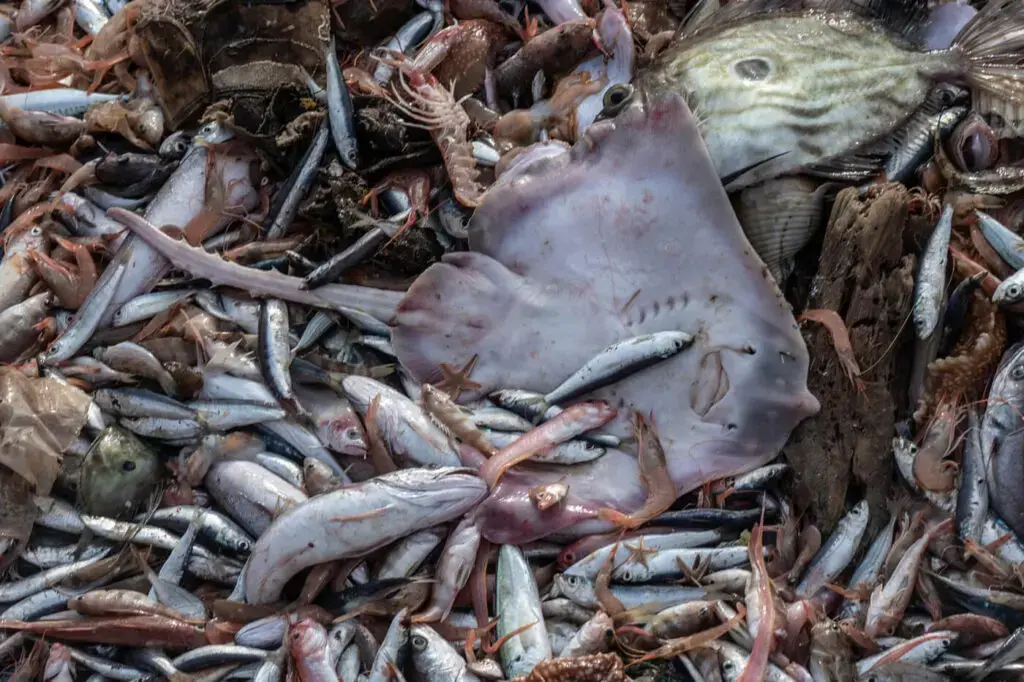
European hake, once promoted as a sustainable alternative to cod, has been re‑rated amber by the Marine Conservation Society after a sharp decline in stocks across the North Sea, Celtic Seas and the Bay of Biscay.
At the same time, the society has placed a red rating on coley caught around the UK, citing population drops and the absence of a recovery plan.
The downgrade affects coley harvested in the North Sea, west of Scotland, the Rockall area and the Skagerrak, where fishing pressure remains high.
North‑east Arctic coley has also slipped further down the scale, with several fishing methods now rated amber as the stock continues to shrink.
Conversely, coley from Icelandic waters retains a green rating, as does Cornish hake, which remains a viable choice for shoppers.
Haddock from Icelandic waters has moved from green to amber, reflecting fishing pressure above sustainable levels and catches that exceed scientific advice.
Haddock taken from the North Sea, Skagerrak and Scottish waters, the second‑largest source of the fish for UK consumers, stays green and is still recommended.
Kerry Lyne, manager of the Good Fish Guide at the MCS, warned that “the status of fish stocks are continuously changing, and for consumers, it means that simply choosing a species isn’t enough.”
She added, “A fish that was a good choice a few years ago is not necessarily a good choice everywhere today.”
Lyne explained that the guide’s ratings reflect the latest scientific advice on species, location and method of capture.
“The best thing we can all do if we eat seafood, is diversify our seafood choices and avoid those most under threat,” she said.
She called on the UK Government to implement stronger management measures to restore and protect declining fisheries.
Some species have seen improvements; North Sea herring now enjoys a green rating and Atlantic bluefin tuna in UK waters has also been upgraded to green.
The Good Fish Guide recommends Alaska pollock from the Gulf of Alaska or the Bering Sea, monkfish caught in the North Sea, Rockall or west of Scotland, and most seabass as safer white‑fish options.
However, seabass from the west of Scotland and the west of Ireland remains off‑limits due to poor stock health.
European lobster from Jersey, certified by the Marine Stewardship Council, retains a green rating alongside Shetland MSC‑certified brown crab, UK‑farmed blue mussels and Recirculating Aquaculture System‑grown king prawns.
Chris Graham, head of ocean regeneration and sustainable seafood at the MCS, highlighted the resurgence of tuna, noting that “the resurgence of tuna in UK seas can certainly be partly attributed to better fisheries management brought in over 20 years ago, following decades of overfishing.”
He cautioned that continued monitoring is essential to ensure the iconic species remains on a sustainable trajectory.
Consumers are urged to check the latest Good Fish Guide ratings before purchasing, as the guide reflects real‑time scientific assessments of stock health and fishing impact.
The latest ratings underscore the need for diversified seafood consumption and tighter fisheries governance to halt further declines.