
Harry Brook’s record ODI ton wasted as Sri Lanka stun England
Sri Lanka chased 430 to beat England in Rawalpindi, leaving Harry Brook’s fastest-ever ODI double century in vain despite tactical bowling errors.
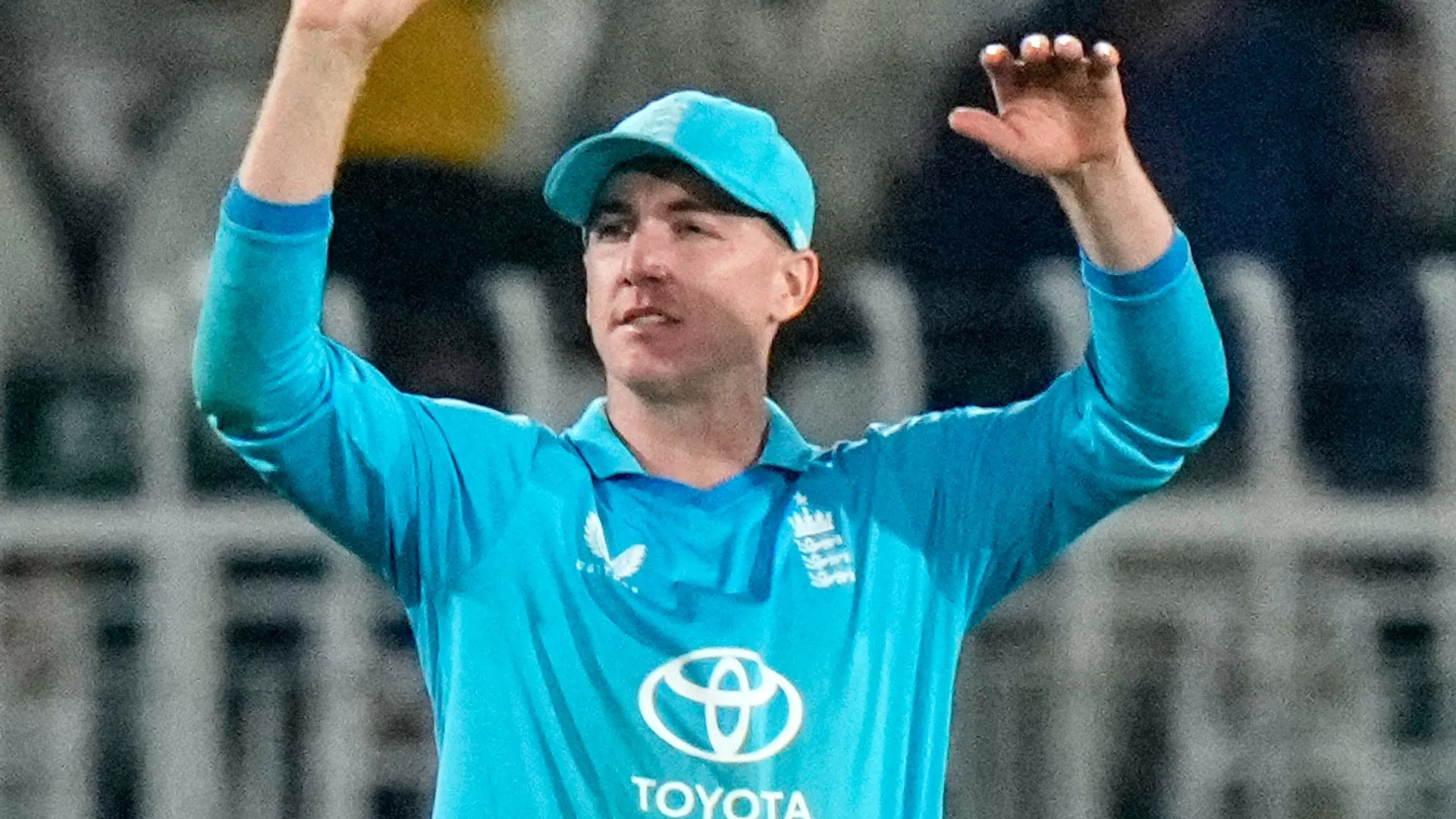
Harry Brook’s record-breaking double century in one-day international cricket was rendered in vain as Sri Lanka executed a historic run chase to defeat England in Rawalpindi. The England captain struck 202 from 116 balls, reaching the milestone from just 114 deliveries to set a new global record for the fastest ODI double ton. Despite this individual masterclass, which included 21 fours and 10 sixes, the side ultimately fell 87 runs short in a high-scoring thriller.
The chase of 430 was the second highest successful ODI run chase in history, trailing only the 438-9 South Africa posted against Australia in Johannesburg in 2006. Brook’s innings, the highest ever for England in a men’s ODI, eclipsed Ben Stokes’ 182 against New Zealand in 2023. However, the team’s bowling performance proved to be the critical failure point in an otherwise dominant batting display.
Former England captain Nasser Hussain identified a tactical error where the bowlers dropped too short, particularly to Pavan Rathnayake. This approach was a direct overcompensation for bowling too full during England’s 87-run defeat to Pakistan at the same venue earlier in the week. Rathnayake capitalised on the loose deliveries, top-scoring with 130 from 106 balls to anchor the Sri Lankan recovery.
The middle overs proved to be a persistent weakness, with only one wicket falling between the fifth over and the 41st. Hussain noted that this struggle has plagued the side for the last two or three years, even when spin bowler Adil Rashid is at his best. The absence of Jofra Archer, who was rested for this series, was also highlighted as a significant loss of firepower.
Sri Lanka rallied from an early 24-2 position, with Kamindu Mendis bowled by Josh Tongue and captain Kusal Mendis run out without facing a ball. The innings gained momentum when Rathnayake shared a 166-run partnership with Avishka Fernando for the third wicket. Both batters remained at the crease for extended periods, building a platform for a successful chase.
The team further adapted by promoting Dasun Shanaka up the order, who formed a 133-run stand with Rathnayake for the fourth wicket. Shanaka smashed eight sixes in his 50-ball knock of 97, demonstrating the aggressive approach required to counter England’s field settings. This tactical shift proved crucial in maintaining pressure on the English bowlers throughout the innings.
Sam Curran, playing only his second match since The Hundred in August due to a groin injury, struggled to find his rhythm. He was expensive, conceding 103 runs from his nine overs at a rate of 11.44 runs per over. His inability to land moon balls and yorkers effectively allowed the Sri Lankan batters to score freely.
Kumar Sangakkara, a former Sri Lanka batter, argued that England needed an all-out push to take wickets when they had the opposition at 24-2. He suggested that the team should have set plays for catches or moved to death bowling earlier to restrict boundaries. The failure to execute these strategies allowed Sri Lanka to dictate the pace of the game.
Janith Liyanage provided the finishing touch with an unbeaten 61, displaying composure under immense pressure. He crunched two fours and a six across three balls off Curran to trim the required total to 29 from 21 deliveries. The final over saw Tongue take two wickets in two deliveries, but it was not enough to prevent the defeat.
Liyanage spanked the winning six with one ball to spare, completing a chase that Hussain described as “perfect, historic. The former captain praised Liyanage’s body language, noting his calm and composed demeanor as he took control of the situation. This performance highlighted the depth and talent within the Sri Lankan squad.
Despite the loss, Brook received high praise from pundits for his technical brilliance. Nasser Hussain called him the best male multi-format batter in the world, stating that his presence makes England contenders for next year’s 50-over World Cup in Africa. Mark Butcher added that Brook’s precision and ability to use the pace on the ball are unmatched.
Brook himself remained focused on the team’s result, insisting that his individual heroics “didn’t matter. He stated that while he always aims for match-winning contributions, the 200 runs had “no value whatsoever” without a victory. This selfless attitude underscores his leadership qualities and commitment to the team’s success.
England will next face Pakistan in Lahore on Sunday, with the first ball scheduled for 8am UK time. The series continues to offer valuable lessons for the squad as they prepare for upcoming international fixtures. The performance in Rawalpindi serves as a reminder of the fine line between individual brilliance and collective triumph in limited-overs cricket.