
Baked beans on toast price spikes 33% as cheapest own‑brand tins hit 27p
Updraft research shows beans on toast up 33% in a decade, with Morrisons, Aldi and Lidl offering the cheapest own‑brand tins at 27p, while weekly grocery bills soar.
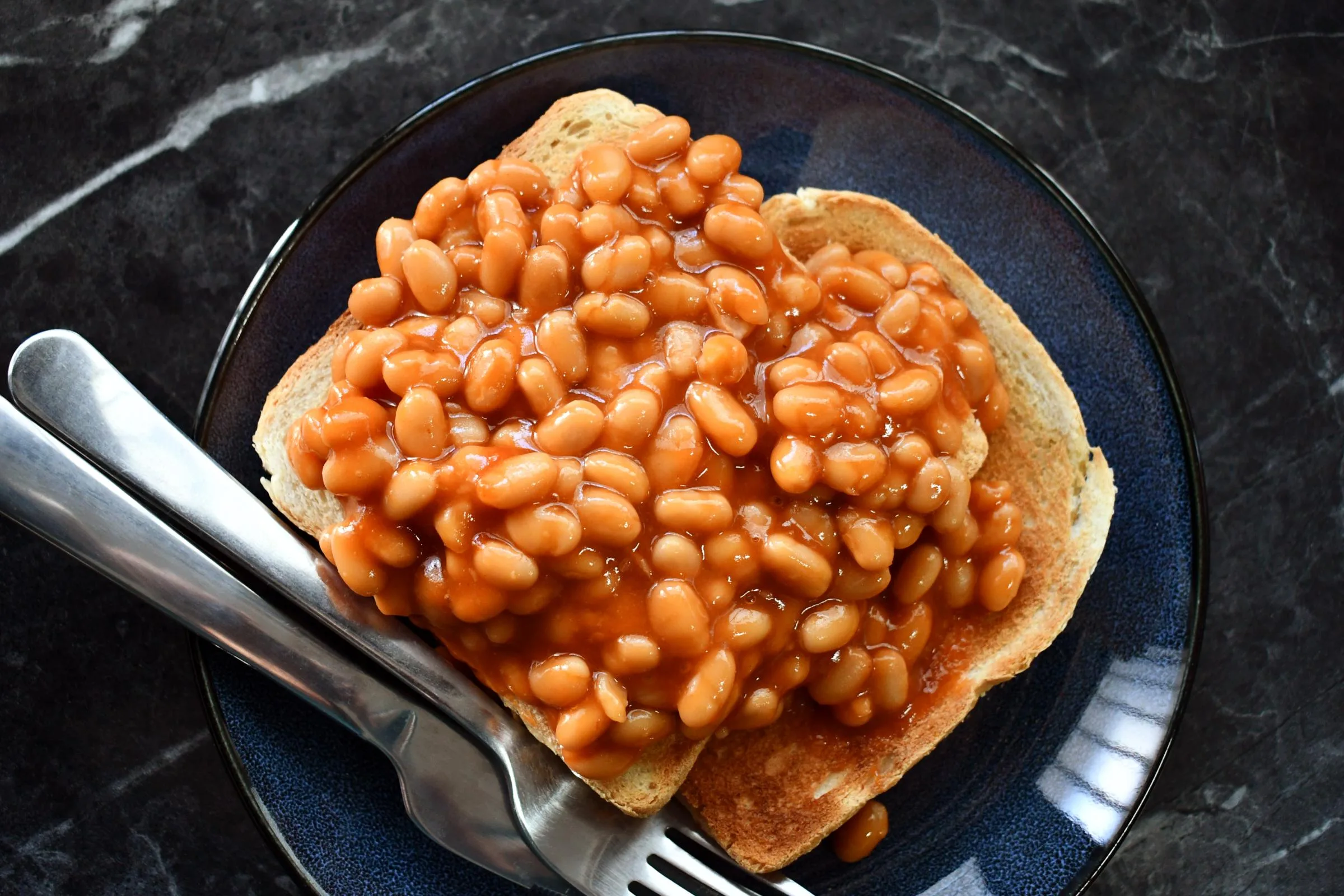
Price inflation has hit one of Britain’s most humble meals, with the cost of a single portion of beans on toast rising 33 per cent over the past decade, research shows.
The analysis, carried out by financial firm Updraft, examined ingredient‑level prices for the UK’s 100 most popular dishes and found beans on toast to have the steepest rate of price growth since 2016.
Updraft’s September 2026 report also revealed that a tin of own‑brand baked beans can still be bought for as little as 27 p at three major supermarkets, making it the cheapest option on the market.
Morrisons, Aldi and Lidl all offer their own‑brand beans at that 27 p price point, putting them level with each other as the most economical choice for shoppers.
At the opposite end of the spectrum, a tin of own‑brand beans at Waitrose costs 55 p – more than double the price of the budget alternatives.
The research compared these figures with the cost of a leading branded product, noting that a tin of Heinz baked beans now sells for around £1.40, a gap of £1.13 per tin.
When multiplied across a typical household’s weekly consumption, the disparity can quickly add up, especially for families that rely on beans as a cheap protein source.
Updraft also tracked the overall cost of a weekly food shop based on the ingredients used in the nation’s favourite dishes. The average weekly spend rose from £23.10 per person in 2016 to £30.70 today.
That increase translates to almost £1,600 a year for a single individual, a figure that underscores how small price hikes accumulate over time.
“Many Brits don’t realise that it’s not always the big purchases that lead to money troubles, but simple everyday purchases,” said Aseem Munshi, founder of Updraft.
He added: “It’s these small, silent price hikes that quickly add up, forcing households to rely on credit cards and borrowing to cover essential groceries.”
Munshi warned that many households treat rent, mortgage and electricity bills as fixed costs, yet grocery spending is often fragmented into numerous tiny transactions.
“Many households know exactly what they pay on rent, mortgage, and electricity, but groceries are different,” he said. “The food shop often comes in multiple small transactions, turning a £30.70 weekly shop into almost £1,600 annually.”
He suggested that treating the weekly shop as a regular household bill could help consumers manage their finances more effectively.
“While a single tin of beans may not seem like a huge expense, pennies can quickly become pounds,” Munshi noted.
He cautioned that when money is tight, the temptation to use a credit card for grocery purchases can lead to mounting debt.
“When money is tight, it can be tempting to pay for the weekly food shop using a credit card,” he said. “But for those who already carry a balance, this can quietly add debt to the menu.”
Updraft’s findings highlight that simple supermarket swaps – such as opting for a 27 p own‑brand tin instead of a £1.40 branded version – can shave a pound or more off each purchase.
For shoppers feeling the squeeze of rising food costs, those modest savings may be the most practical defence against an expanding grocery bill.