
Dairy hygiene key to protecting milk premiums
Experts warn that simple cleaning lapses on dairy farms can trigger costly penalties, urging consistent routines to safeguard milk quality and farmer income.
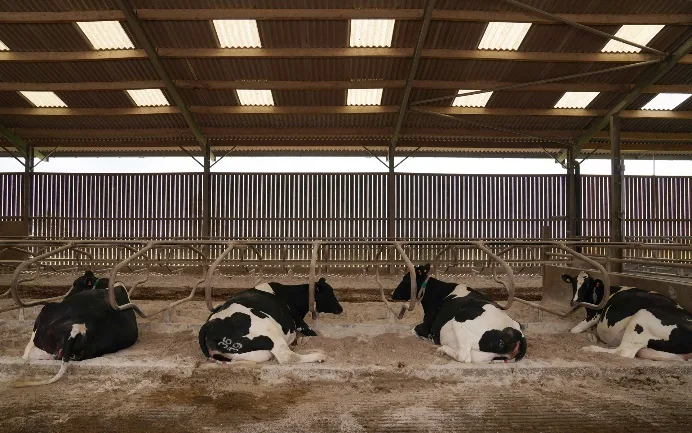
Milk premiums are slipping as dairy farms overlook basic hygiene, prompting industry experts to warn that simple lapses can cost thousands in lost payments and price penalties.
Alison Clark, senior adviser at dairy‑hygiene specialist Progiene, says the key to protecting returns lies in disciplined cleaning routines and consistent milking practices.
“It can be easy for complacency to creep in with what is the daily routine, or perhaps errors can occur where relief staff are involved,” she explained.
She adds that “having clear procedures that are accurately communicated is a good starting point.”
Farmers who share milking duties or rely on temporary workers are especially vulnerable, according to Clark, because inconsistent habits can allow bacteria to flourish unnoticed.
Problems often surface only when milk quality tests, such as Bactoscan readings, begin to rise, prompting costly investigations.
“We see, when going on farm to troubleshoot rising Bactoscans or carry out wash cycle testing, for example, that the simplest errors are costing money in lost premiums, or even resulting in milk price penalties,” she said.
Typical culprits include wash water that is too cool and disinfectant solutions that are under‑concentrated, both of which permit organic residues to accumulate inside milking equipment.
These residues create breeding grounds for bacteria, potentially compromising both conventional parlours and robotic milking systems.
Clark advises farmers to verify that cleaning agents match the water quality and that they are mixed to the manufacturer’s recommended strength.
She stresses that teat hygiene is equally vital, not only for milk quality but also for curbing mastitis, a costly udder infection.
“Firstly, ensure that the milking routine is applied consistently, whoever is milking, and that both operator hygiene and cleanliness of cows’ teats before the cluster is applied are top priority,” she said.
Operators must understand the correct contact time for teat disinfectants, and dip cups should be rinsed thoroughly between milkings.
Consistent teat preparation helps keep somatic cell counts within the premium bands set by milk buyers, protecting the farm’s income.
Beyond the parlour, Clark highlights the importance of clean bedding, noting that dirty straw or sawdust can re‑contaminate teats before milking.
“If all cows are coming into the parlour or the robot milker with clean teats, then that will immediately minimise the risks of bacteria being spread, and/or contaminating the milk,” she said.
Effective bedding management, regular equipment maintenance and clear communication among staff form a single, cohesive routine that safeguards milk quality.
She also warns that improper use of cleaning chemicals can lead to antibiotic residues in the bulk tank, a risk that must be mitigated through strict procedural controls.
For farms reviewing performance data, Clark’s message is to start with the basics: check the wash cycle temperature, confirm disinfectant concentrations and ensure every hand on the milking line follows the agreed protocol.
“Ultimately, a best practice approach to dairy hygiene will benefit the cows, the farm’s bottom line, the milk buyer and the consumer,” she concluded.
With dairy margins already under pressure, the industry’s focus on routine hygiene may prove the most cost‑effective strategy to preserve premium payments and protect the reputation of Welsh milk on the global market.