
Monmouthshire Council revamps pothole repairs after 4,300 reports
The council will appoint two highway inspectors, fund extra repair teams and buy a £60,000 Bobcat loader as part of a £3.6m three‑year pothole programme, with new durable materials to cut repeat fixes.
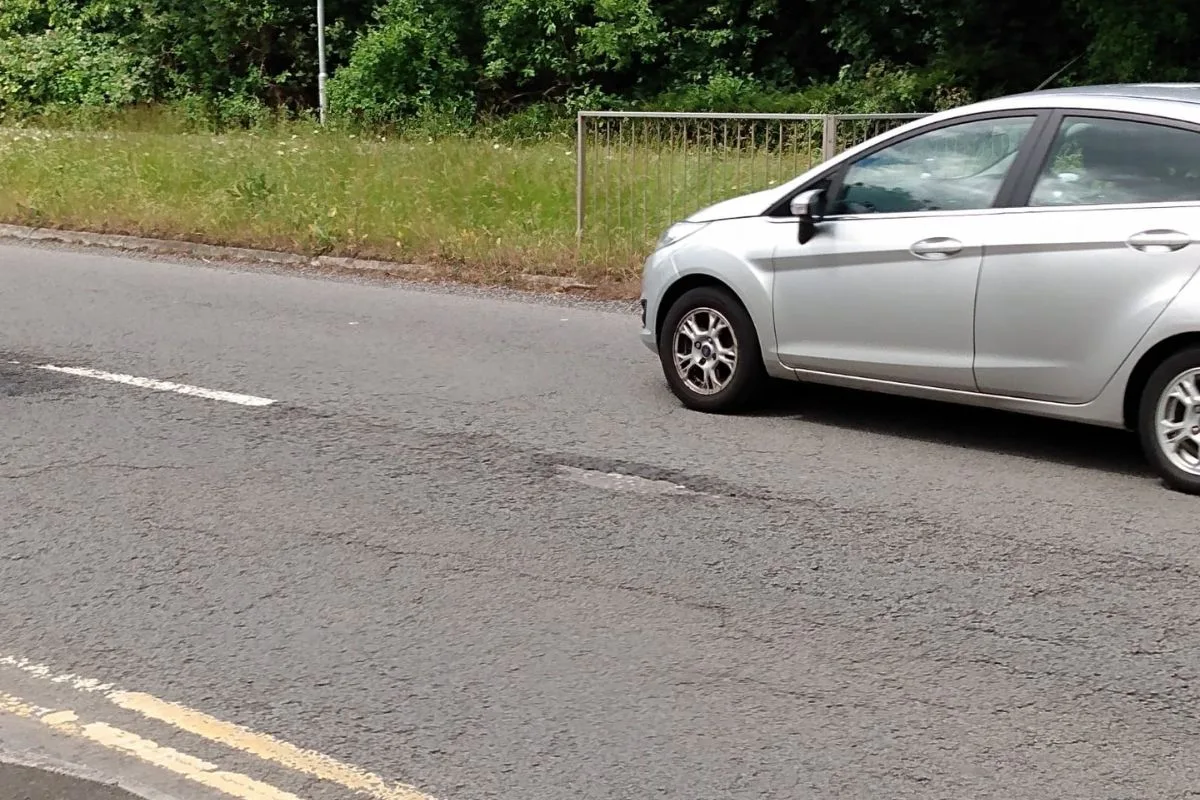
Monmouthshire County Council has approved a sweeping overhaul of its pothole repair programme after receiving 4,300 reports in the 2025/26 financial year, a 46 per cent rise on the previous period.
The council will appoint two new highway inspectors and is set to consider funding for two additional repair teams as part of its 2027/28 budget planning.
A £60,000 Bobcat Skid Steer loader has been earmarked as the preferred piece of machinery for planned maintenance, replacing ad‑hoc equipment previously used.
Councillors also agreed to simplify the public reporting process and to tighten the tracking of reports through to completion.
The changes stem from a review of pothole repairs that the full council backed in March, following a motion tabled by Conservative member Tony Kear.
Kear, who has campaigned on the issue for three years and previously arranged a trial of the JCB Pothole Pro machine, said the surge in complaints highlighted a systemic problem.
He added that the new approach will deliver a “better” inspection and prioritisation process and make more efficient use of taxpayers’ money.
“It’s not about buying the most impressive machinery but the right tool for the right job,” Kear said, referring to the decision to forego the £200,000‑plus Pothole Pro in favour of the Bobcat loader.
Labour cabinet member for highways Catrin Maby explained that a more durable repair material will be introduced for use in colder, wetter weather.
The new compound, she said, will cost roughly four times the council’s current method but will produce a smoother surface and last longer.
During the summer months the council will continue to use “cold fill” as a temporary fix, while the upgraded material is rolled out across the county.
The switch is projected to add an extra £56,000 to the annual pothole budget, a cost the council believes will be offset by a reduction in repeat repairs.
Overall, £3.6 million has been set aside for pothole repairs over the next three years, starting this April.
Maby noted that the highways maintenance budget was “at a very low base” when Labour took control in 2022, and urged colleagues to keep the allocation in mind when drawing up next year’s spending plans.
Conservative councillors welcomed the outcome, saying it reflected the pressure applied by Kear’s motion earlier in the year.
A council press release confirmed that the review examined how potholes are reported, inspected, prioritised and repaired over the past twelve months.
The document also outlined a two‑year review timetable for the new measures, although some members have called for an earlier assessment after twelve months.
Local residents have welcomed the promise of faster response times, with many expecting the new inspectors to cut the waiting period for repairs.
Transport operators, who have long complained about the impact of potholes on vehicle wear, also expressed optimism about the more resilient repair material.
Business groups highlighted the potential economic benefits of smoother roads, citing reduced vehicle maintenance costs and improved delivery reliability.
Environmental advocates noted that the new material’s longer lifespan could lower the frequency of roadworks, reducing traffic disruption and associated emissions.
The council’s commitment to a modernised pothole strategy marks a significant shift in how Monmouthshire tackles a long‑standing infrastructure challenge.