
Three‑quarters of parents neglect own health, study finds
New research shows 73% of parents put their health on hold while caring for children, with many developing serious conditions.
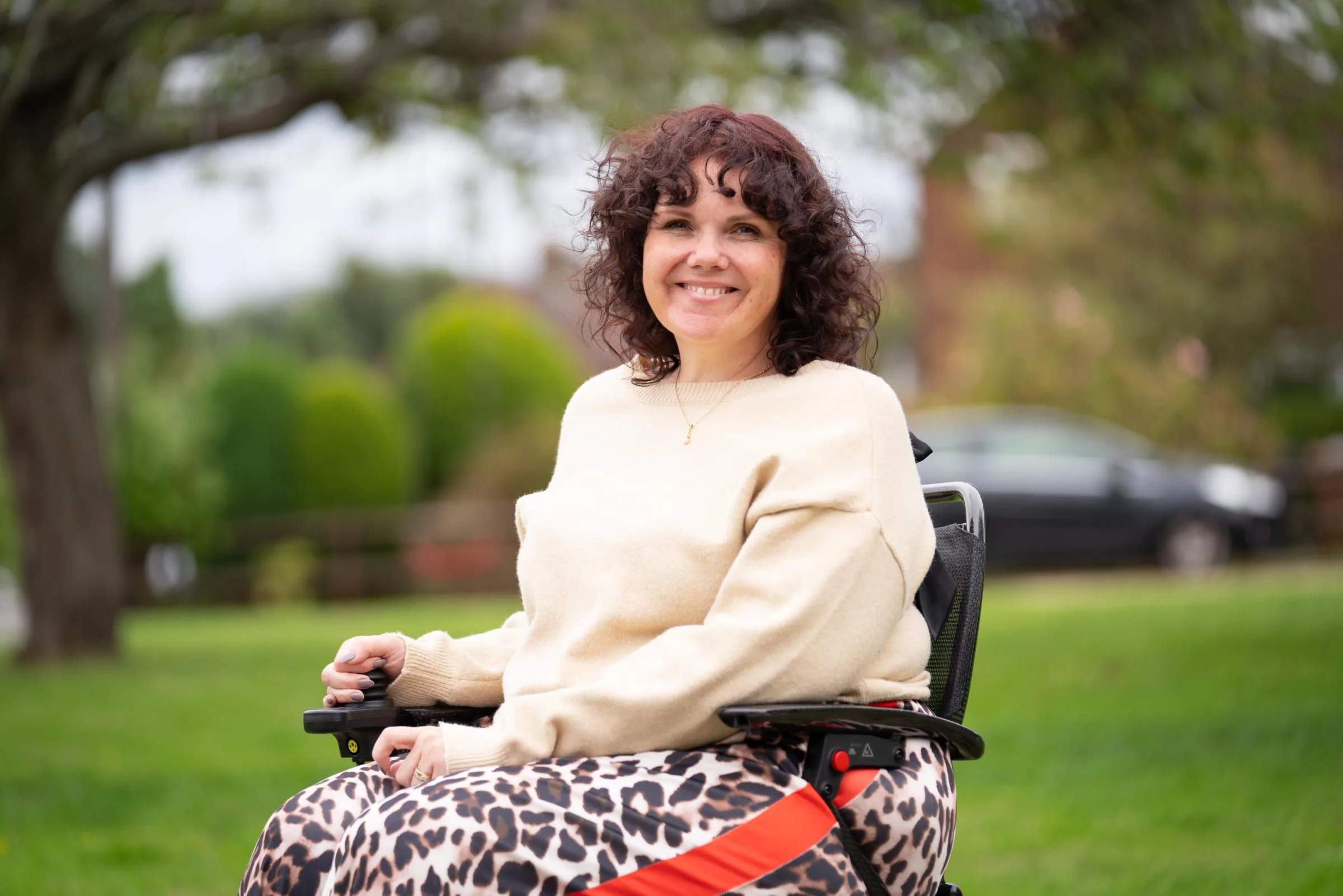
New research reveals that three‑quarters of parents admit to putting their own health on hold while looking after their children, a trend that is increasingly linked to serious medical conditions.
The survey, commissioned by a major health insurer, interviewed 2,000 parents of children under 16 and found that 50 per cent have ignored personal symptoms to focus on their offspring’s wellbeing.
A further 33 per cent said they delayed seeking medical help, while 24 per cent cancelled appointments and 20 per cent postponed screening tests.
Overall, 71 per cent of respondents believed that postponing care had caused their health issues to worsen.
Sarah Lewis, 46, from Solihull, West Midlands, is a stark illustration of the findings. She first noticed occasional difficulty swallowing and trouble typing in early 2021, alongside pins and needles in her face, chest and down her left side.
“Looking back, I didn’t realise at the time what was happening.” They were such small, isolated things,” she recalled, adding that the pressures of parenting and a demanding role as a management accountant led her to dismiss the signs.
Lewis blamed fast eating, lack of sleep, prolonged sitting and a perceived iron deficiency, insisting she was “creating something out of nothing”. She continued to prioritise school evenings, assemblies and caring for her children, Lily, 18, and Henry, 11.
In April 2023, severe migraines and an inability to walk prompted her to finally visit her GP. She was rushed to Birmingham’s Heartlands Hospital on suspicion of a stroke or brain tumour, but doctors initially reassured her she was “probably overdoing it” at work.
After ten days of tests, Lewis received a diagnosis of functional neurological disorder (FND), a condition that disrupts the brain’s communication with the body, causing weakness, speech difficulties and sensory changes.
Now reliant on a wheelchair for longer distances and dependent on her mother for home care, Lewis believes earlier intervention could have slowed the disease’s progression.
“I look back and think ‘why didn’t I see a doctor?’.” It’s crazy,” she said.
“But I’d just tell myself ‘it’ll be fine tomorrow, the kids have school things on, you don’t have time right now to stop and evaluate’.”
The study also highlighted that 58 per cent of working parents continue to work through illness, fearing they have already taken too much time off caring for unwell children.
One‑in‑four respondents felt the responsibility for managing their family’s health rested solely on them, underscoring the pressure many parents face.
Dr Naveen Puri, medical director for the insurer behind the research, warned that the balance between caring for children and self‑care is often skewed.
“One of the most stressful times as a parent is when your children are unwell.” Understandably, parents often feel they must balance caring for the children with work and household duties – but it’s crucial they don’t lose sight of their own health,” he explained.
He urged parents to prioritise their wellbeing, noting that staying healthy enables them to care more effectively for the wider family.
The findings arrive as health services across the UK grapple with rising demand, prompting calls for greater awareness and support for working parents.
Experts suggest that flexible working arrangements, easier access to digital GP appointments and workplace cultures that encourage taking sick leave could help reverse the trend of self‑neglect among parents.
As Lewis reflects on her journey, she hopes her story will prompt other parents to listen to their bodies before symptoms become irreversible.