
Asda rolls out pink trolleys to boost breast‑cancer self‑checks in Wales
The bright‑coloured trolleys, part of the retailer’s long‑running Tickled Pink campaign, will appear in locations identified as having the lowest rates of chest checking, including outlets in Wrexham…
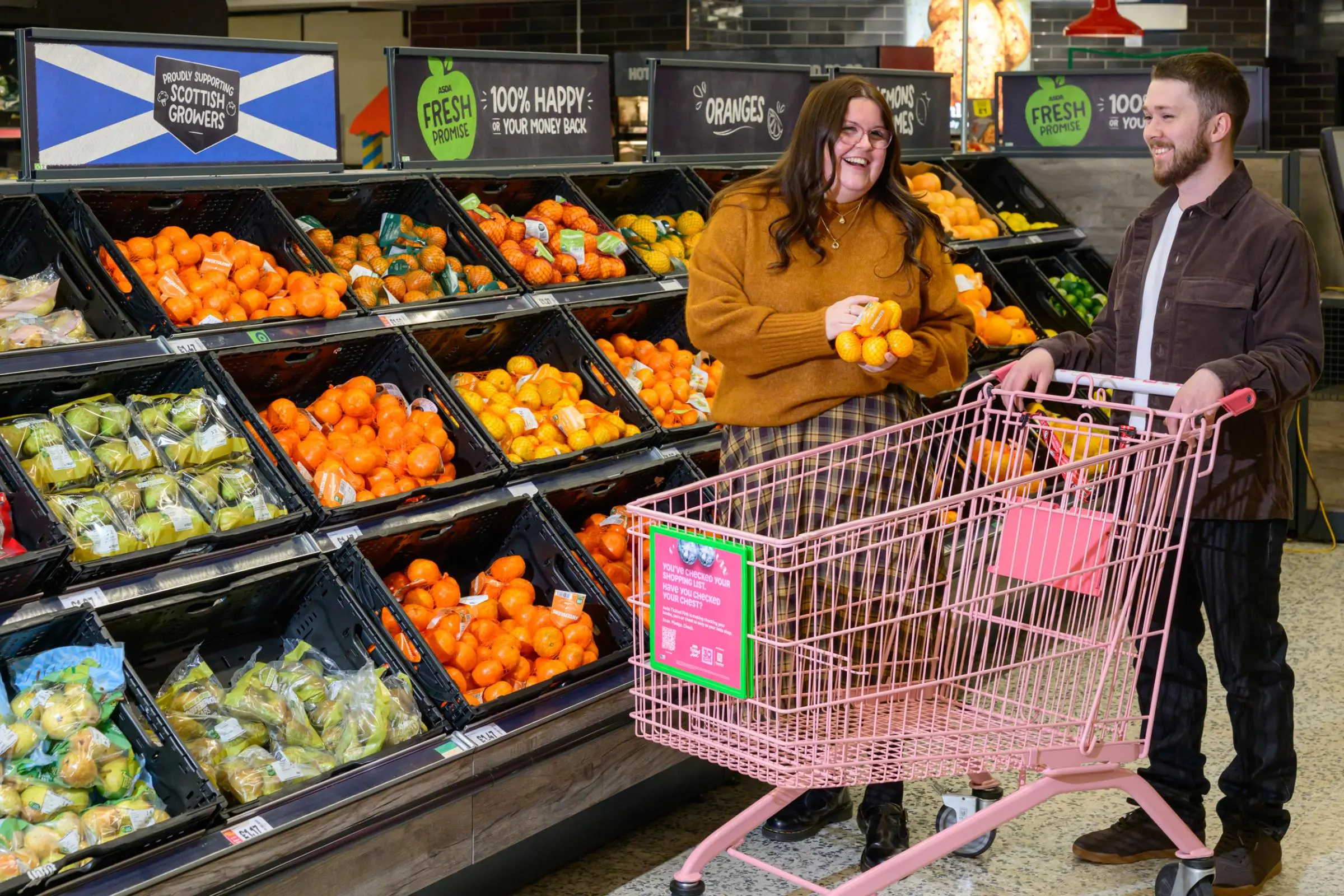
Asda has begun rolling out 500 pink shopping trolleys across ten Welsh stores in a bid to boost breast‑cancer self‑examination during Breast Cancer Awareness Month.
The bright‑coloured trolleys, part of the retailer’s long‑running Tickled Pink campaign, will appear in locations identified as having the lowest rates of chest checking, including outlets in Wrexham and Llanelli.
Each trolley carries a QR code that links shoppers to information on how to perform a self‑check and offers a pledge to commit to regular examinations.
New internal research from Asda reveals that 38 per cent of people in Wales have never checked their chests, a figure the supermarket hopes to improve through the visual reminder.
Mary Williams, community champion at Asda Wrexham, said: “As a community champion, I’m passionate about supporting causes that matter to local people.” I’ve worked at Asda for 26 years and have proudly supported the Tickled Pink campaign every year.
With almost four in ten people in Wales saying they’ve never checked their chest, we’re hoping to encourage more people in Wrexham and right across the nation to take that simple but important step.”
The initiative coincides with the national breast‑cancer awareness drive that runs throughout October, a period when charities and health bodies intensify public education efforts.
Emma Betts, charity partnerships manager at Asda, added: “Together, we’re putting breast cancer awareness on everyone’s list.” We’re hoping our customers will embrace our bold new pink trolleys and sign our pledge where we hope to have 1,000,000 more customers checking this Autumn, and beyond.”
Asda’s Tickled Pink programme, launched three decades ago, has raised more than £100 million for breast‑cancer research and support services.
Store managers say the pink trolleys have been positioned near store entrances and high‑traffic aisles to maximise visibility.
Customers who scan the QR code are directed to a dedicated page on Asda’s website that outlines the steps of a self‑examination, signs of potential issues and contact details for local health services.
The campaign also includes in‑store signage and leaflets that reinforce the message, with staff trained to answer basic questions about the pledge.
Health officials have welcomed the partnership, noting that community‑based reminders can complement clinical screening programmes.
Wales Cancer Research Centre spokesperson Dr Gareth Morgan commented that “any initiative that raises awareness and encourages regular self‑checks is valuable, especially in areas where uptake has historically been low.”
Asda plans to monitor the impact of the pink trolleys through follow‑up surveys and QR‑code analytics, aiming to assess whether the visual cue translates into increased self‑examination rates.
The retailer will review the rollout after the October campaign and consider extending the approach to additional stores if the data shows a measurable shift in public behaviour.