
Active Playgrounds boost activity for 10,000 Welsh pupils
London Marathon Foundation expands Active Playgrounds scheme, helping over 10,000 children in England and Wales increase daily movement.
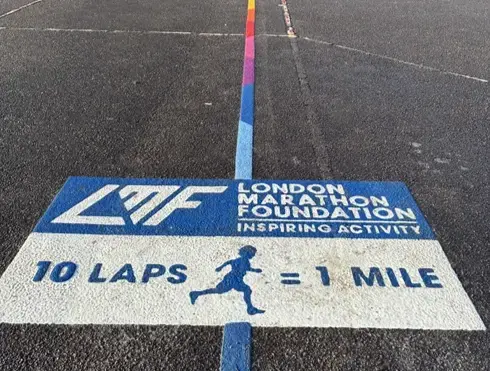
More than 10,000 pupils across England and Wales are now using newly‑marked playgrounds to meet daily activity targets, after the London Marathon Foundation rolled out its Active Playgrounds programme.
The pilot, launched in 2025, gave 33 schools a £2,000 grant each to repaint and re‑stripe outdoor areas with colourful, weather‑resistant markings that map out routes and games encouraging movement.
Schools report that the bright designs have turned ordinary play spaces into “active zones” where children can complete a mile of laps as part of the daily routine.
“The Active Playground markings have really inspired staff to embed more physical activity into the school day.”
Data from the 2025 Sport England Active Lives Children and Young People Survey show fewer than half of children achieve the Chief Medical Officer’s recommendation of 60 minutes of activity each day, prompting charities and schools to seek fresh solutions.
Each playground layout is co‑designed with pupils, allowing them to suggest routes, colour schemes and game ideas, which the foundation then translates into durable markings.
Guides placed on the surfaces direct children to complete a mile by following a set circuit, giving a clear, achievable target that teachers can integrate into lessons or break times.
Following the pilot’s early success, the foundation has pledged more than £100,000 to extend the scheme, funding an additional 50 schools for the current academic year.
“Pupils, teachers and parents all love our Active Playgrounds initiative, and we’re so excited to be supporting even more schools over the coming year.”
The expansion means that by the end of the school year, over 80 schools will have benefited, potentially reaching another 12,000 children.
Since the pilot began, schools with Active Playgrounds have reported a 50 per cent rise in participation in wider programmes such as the TCS Mini London Marathon in schools and The Daily Mile.
Headteachers note that the visual cues make it easier to organise class‑wide challenges, with many schools scheduling short “mile‑breaks” that double as physical education sessions.
Local authorities have welcomed the low‑cost model, highlighting that the £2,000 grant covers both the markings and the accompanying activity guides, while the durable paint reduces the need for frequent maintenance.
Parents have also expressed approval, observing that the new designs encourage children to stay outdoors longer, even on cooler days, thanks to the vibrant, weather‑proof surfaces.
Education officials stress that initiatives like Active Playgrounds complement broader strategies aimed at tackling childhood inactivity, which remains a public‑health priority across the UK.
With the next tranche of funding already allocated, the London Marathon Foundation plans to monitor usage data and gather feedback from participating schools to refine the programme for future roll‑outs.
As the scheme gains momentum, the hope is that the colourful markings will become a familiar sight on school grounds, turning everyday play into a structured opportunity for health‑building movement.