
Caerphilly council rejects review of school transport cuts
Hundreds of students lost their entitlement this summer after independent assessors deemed the walking routes to their schools safe.
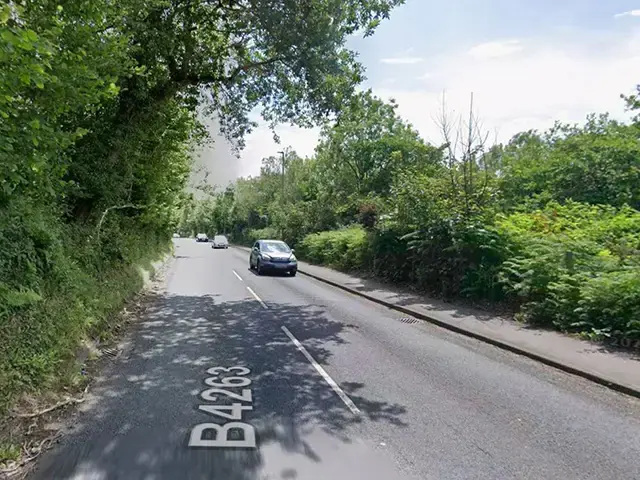
Caerphilly County Borough Council has rejected a motion to review recent cuts to free school transport for secondary pupils.
Hundreds of students lost their entitlement this summer after independent assessors deemed the walking routes to their schools safe.
Plaid Cymru councillor Teresa Parry urged a review, warning that the assessments were “lacking robustness, consistency and transparency”.
She argued the evaluations were carried out over limited periods and did not reflect conditions such as poor weather, reduced daylight, increased traffic and seasonal variations.
Labour councillors countered that the issue had already been settled during the council’s budget‑setting process earlier in the year.
They pointed out that, even with the cuts, Caerphilly’s policy remains more generous than most Welsh authorities.
Under the current scheme the council provides free transport for secondary‑aged pupils living more than two miles from their school, whereas the Welsh Government’s minimum standard is three miles.
The decision to withdraw transport on nine routes was taken after the routes were declared safe, meaning pupils within the two‑mile radius now have to walk.
Steve Skivens, also of Plaid Cymru, told a cross‑party scrutiny committee that “the rules on minimum travel distances are decades old and have been unpopular since their inception”.
He added that the council must consider whether it has “addressed the impacts” of the cuts, noting that children would be walking “beside and crossing busy and fast” roads.
Labour’s Colin Gordon dismissed the call for a review, stating that “Caerphilly has by far the best home‑to‑school transport policy in the whole of Wales”.
He suggested some councillors may not have read the lengthy reports that informed the original decision.
Gordon also highlighted that several Plaid‑controlled councils in Wales only meet the Welsh Government’s three‑mile minimum, unlike Caerphilly’s two‑mile threshold.
Marina Chacon‑Dawson, another Labour member, described the two‑mile provision as “quite generous”, noting that few councils in Britain offer such a benefit to older pupils.
The scrutiny committee voted 10‑6, with one abstention, to reject the motion for a review.
Opponents of the cuts argue that the assessment process failed to capture the full range of hazards pupils face throughout the school year.
Supporters maintain that the council’s approach aligns with fiscal responsibilities and broader policy objectives.
Caerphilly’s transport policy has long been a point of local pride, with the authority historically exceeding Welsh Government standards.
Nevertheless, the removal of free travel on the nine routes has sparked concern among parents and community groups.
Local schools reported an uptick in enquiries from families seeking alternative arrangements for pupils now required to walk.
Transport officers said they are monitoring the situation and will reassess if safety incidents increase.
Welsh Government guidance on school transport remains unchanged, leaving individual councils to set their own thresholds.
Caerphilly’s decision reflects a broader trend of councils balancing budget pressures against service provision.
While the council claims its policy remains “generous”, critics argue that the two‑mile rule does not account for road safety realities in certain rural and semi‑urban areas.
Future discussions may focus on whether the current assessment methodology should be updated to incorporate seasonal and weather‑related factors.
For now, the council’s stance stands, and pupils on the affected routes will continue to travel to school on foot.