
Monmouthshire tops list of forever‑home hotspots
Monmouthshire leads Wales in long‑term house‑price growth, offering strong connectivity, good schools and scenic countryside for buyers.
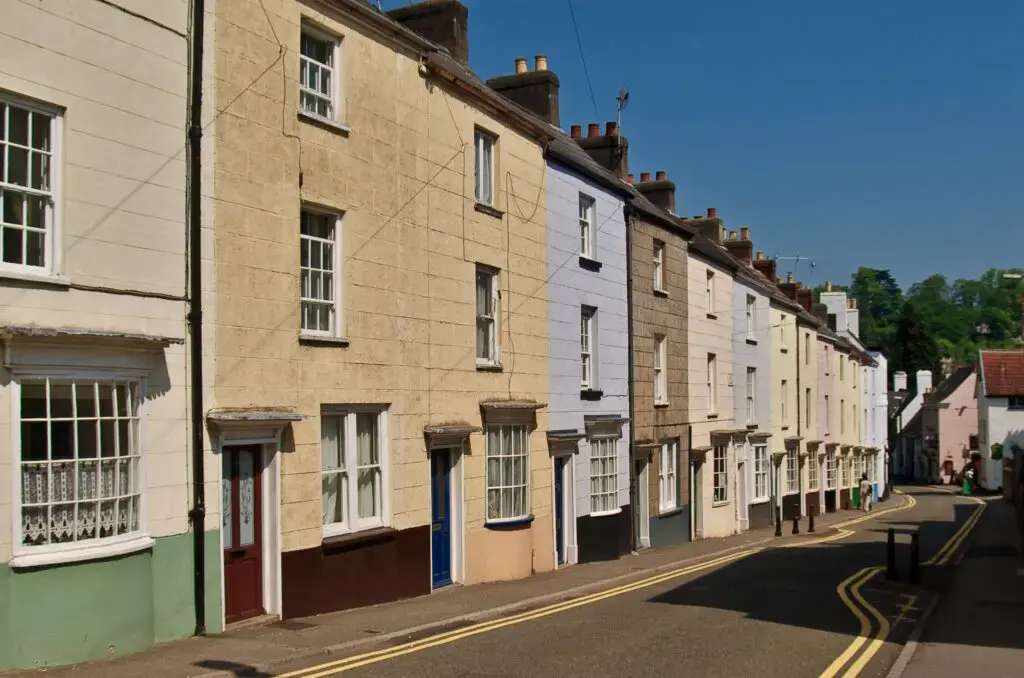
Monmouthshire has been singled out as the most desirable Welsh county for buyers seeking a “forever home”, according to a recent national newspaper analysis of long‑term house‑price growth.
The report, which examined Office for National Statistics data derived from Land Registry records, identified the local authority in each English and Welsh region that recorded the biggest increase in average property values over the 17‑year span from September 2008 to September 2025.
Monmouthshire topped the Welsh list with an average house price of £310,000 and a cumulative rise of £120,005 during the period.
Annabel Dixon, the journalist behind the piece, explained that “short‑term fluctuations in house prices may grab headlines and fuel dinner‑party chat.” For homeowners, though, it’s the longer‑term change in value that tends to matter more and, as long as there are good schools and green spaces, helps them decide where to settle down.”
She added that the English Housing Survey shows the average homeowner has lived in their current property for 17 years, underscoring the relevance of long‑term value for “the best places to put down roots and buy a forever home with the greatest potential for monetary gains”.
Monmouthshire’s appeal is bolstered by its location between the Brecon Beacons National Park and the Wye Valley National Landscape, offering “scenic countryside in spades”, according to Dixon.
Transport links are strong, with the M4 running close to the southern edge of the county and rail services reaching Cardiff, Hereford, Bristol and Newport, plus onward connections to London.
Local towns combine independent retailers with national chains; Waitrose operates in Monmouth and Abergavenny, while Marks & Spencer has outlets in Monmouth and Chepstow.
“Usk is famed for its floral displays and Abergavenny has a buzzing food scene and the Brecon Beacons on its doorstep,” Dixon noted, highlighting the lifestyle attractions that complement the housing market.
Border proximity also makes the county attractive to English buyers. “Monmouth and Chepstow – close to the border – are particularly compelling spots for those with ties to England,” she wrote.
“According to Chloe Dumbill of estate agent David James, many Bristol families head over the River Severn into the Wye Valley, drawn to villages such as Llandogo and Tintern.”
Matthew Henderson of Strutt & Parker, the estate agency whose data underpinned the rankings, said the county “has successfully navigated everything from changes to stamp duty, lockdowns and the ensuing ‘race for space’ to shifting interest rates, economic uncertainty and tightening affordability constraints”.
He continued, “The places that stand out and remain desirable over such a long period tend to be those with enduring reasons to live there – whether that’s good schooling, strong connectivity, a thriving local community or simply a limited supply of the types of homes people want.” These fundamentals will always support demand through both the stronger and more challenging parts of the market cycle.”
Industry observers say the combination of natural beauty, transport links and a steady supply of quality homes has helped Monmouthshire maintain its upward trajectory despite broader market volatility.
Local authorities report that planning applications for new dwellings have risen modestly, reflecting cautious development that preserves the county’s character while meeting demand.
Analysts caution that while price growth has been robust, affordability remains a concern for first‑time buyers, many of whom rely on family support or mortgage products with longer terms.
Nevertheless, the data suggests that Monmouthshire’s blend of rural charm, connectivity and community amenities will continue to attract long‑term investors and families seeking stability in their home purchase.