
Gwynedd Council staff fall by 101 amid financial pressures
Gwynedd Council’s workforce shrank to 5,794 in 2025/26, highlighting gender balance, ageing staff and rising sickness amid fiscal strain.
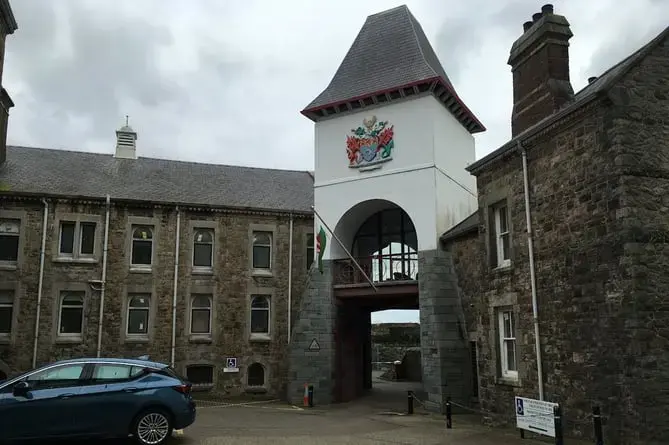
Gwynedd Council confirmed its workforce fell by 101 staff in the 2025/26 financial year, a reduction it attributes to mounting fiscal pressures on local government. The headcount dropped from 5,895 to 5,794 employees, according to a cabinet report presented on 13 October.
“Services have had to continue to review staffing arrangements and priorities to respond to significant financial challenges,” the report said, adding that the council remains committed to maintaining effective services for residents. The latest figures are the first in which data from the Gwynedd and North Wales Economic Ambition Board were omitted, but the overall pattern of employment remains broadly consistent with previous years.
Women still dominate the workforce, accounting for 71 per cent of staff on 31 March, a proportion unchanged from the previous year. A significantly higher number of those women are employed on a part‑time basis and within services such as adults, health and well‑being, children and supporting families, and education, the report noted.
The gender split mirrors a long‑standing trend across Welsh local authorities, with the council acknowledging that recruitment patterns and career choices have shaped the current balance. Age data show that 66 per cent of employees are over 40 and 42 per cent are over 50, reflecting a mature workforce that has persisted for several years.
Staff turnover eased slightly, falling to 9.3 per cent in 2025/26 from 9.9 per cent the year before, though the rate remains high compared with earlier periods. Sickness and absence levels also stayed elevated, driven largely by long‑term illness, with stress identified as the leading cause.
The average number of sick days per employee rose to 13.01 in 2025/26, up from 10.29 in 2023/24 and 12.94 in 2024/25. “Although the workforce has decreased slightly from 5,895 to 5,794, there are also positive signs that staff turnover has stabilised, dropping.”
The age profile of the workforce highlights the importance of long term planning to attract, develop and retain talent, and ensure effective transfer for knowledge and skills. Staff wellbeing and managing sickness remains a major corporate challenge with ongoing focus on supporting employee mental health, attendance and wellbeing.
Caring for staff is essential to maintain effective services.” – Cllr Llio Elenid Owen
“I am sure when I started in the council over 15 years ago there were over 7,000 staff members, now we are down to 5,000. It really shows how the council is changing over time, it will be more difficult to provide everything we have been with fewer staff; it is important people hear that message.” – Cllr Craig ab Iago
The reduction follows a longer‑term decline; the council employed more than 7,000 people fifteen years ago, a figure that has steadily fallen as financial constraints tighten.
Officials say the challenge now is to balance a shrinking headcount with the need to deliver a full range of services, while addressing high stress‑related sickness and an ageing employee base. Strategic planning will focus on retaining institutional knowledge, encouraging a more balanced gender representation across all departments and improving staff wellbeing to curb absenteeism.
As the council navigates these pressures, the upcoming budget cycle will test whether the current staffing levels can sustain the delivery standards expected by Gwynedd’s communities.