
Angela Rayner refuses to quit politics despite tax probe
The Labour deputy leader and former deputy prime minister stepped down from her housing secretary role in September 2025 after the prime minister’s ethics adviser concluded she had breached…
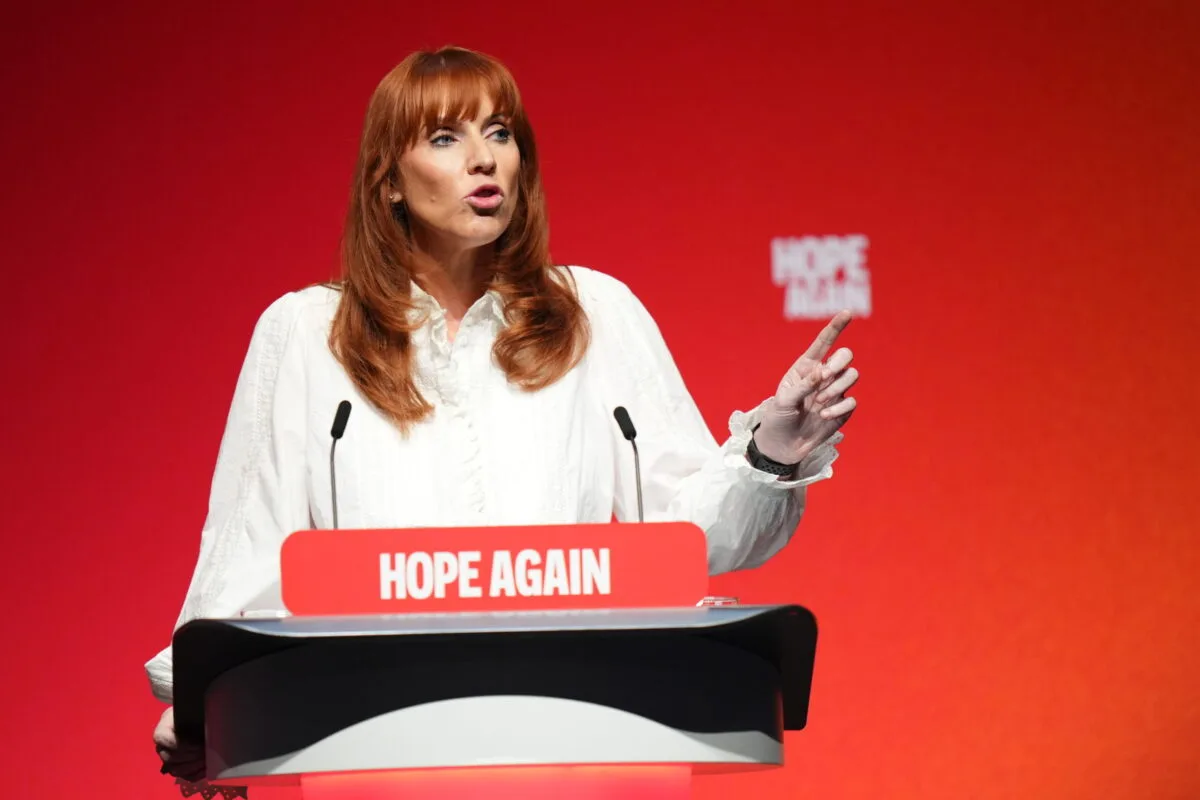
Angela Rayner has insisted she never contemplated abandoning frontline politics despite the intense public scrutiny surrounding her tax affairs.
The Labour deputy leader and former deputy prime minister stepped down from her housing secretary role in September 2025 after the prime minister’s ethics adviser concluded she had breached the ministerial code over stamp‑duty payments on a Brighton property.
Rayner disclosed that she had under‑paid a surcharge of up to £40,000 on the May purchase and voluntarily referred herself to the standards watchdog for investigation.
HM Revenue & Customs later cleared her of any wrongdoing, paving the way for her return to government in Andy Burnham’s cabinet, where she again assumes responsibility for housing.
Speaking in a recent interview on a YouTube programme, Rayner reflected on the personal resilience that has guided her political career.
She recounted the birth of her son in 2008, who arrived at just 23 weeks gestation, and the moment doctors suggested turning off life support.
“I came out with my son, against all odds,” she said, adding that the experience taught her to “bank every bit of luck” for future challenges.
Rayner argued that such hardship offers perspective on the daily struggles faced by ordinary people, a view she believes informs her approach to Westminster politics.
She acknowledged the media scrutiny, noting a “bad headline in the Daily Mail” but dismissed it as “nothing”.
At the Labour conference last month, Rayner described the event as “really humbling”, adding that “you could feel the love in the room”.
Her comments came as the party grapples with internal debates over leadership and policy direction ahead of the next general election.
Party insiders say Rayner’s resolve to stay the course reinforces her standing among Labour’s grassroots, who have rallied around her personal narrative.
Critics, however, maintain that the stamp‑duty breach, even if cleared by HMRC, raises questions about ministerial accountability.
Opposition figures have called for a parliamentary inquiry into the standards process that led to her resignation and subsequent reinstatement.
Rayner’s return to the cabinet has been welcomed by housing advocacy groups, who cite her previous track record on affordable homes.
She pledged to prioritise the construction of new social housing units and to address the rising cost of rent across Wales and England.
In the same interview, Rayner highlighted the importance of mental health support for families facing neonatal challenges, drawing on her own experience.
She urged the government to expand funding for neonatal intensive care units, a sector that has seen increased demand in recent years.
Analysts note that Rayner’s personal story may bolster public empathy, potentially offsetting the negative impact of the tax probe on her reputation.
Her deputy leadership role remains secure, with no indication of a leadership challenge emerging within the Labour ranks.
Rayner concluded by reaffirming her commitment to public service, stating that “the work we do for people’s lives is why I stay”.