
Ceredigion to roll out new extreme weather guidance for schools
Council develops a detailed framework to help schools manage heatwaves and extreme weather, aiming for consistency and pupil safety.
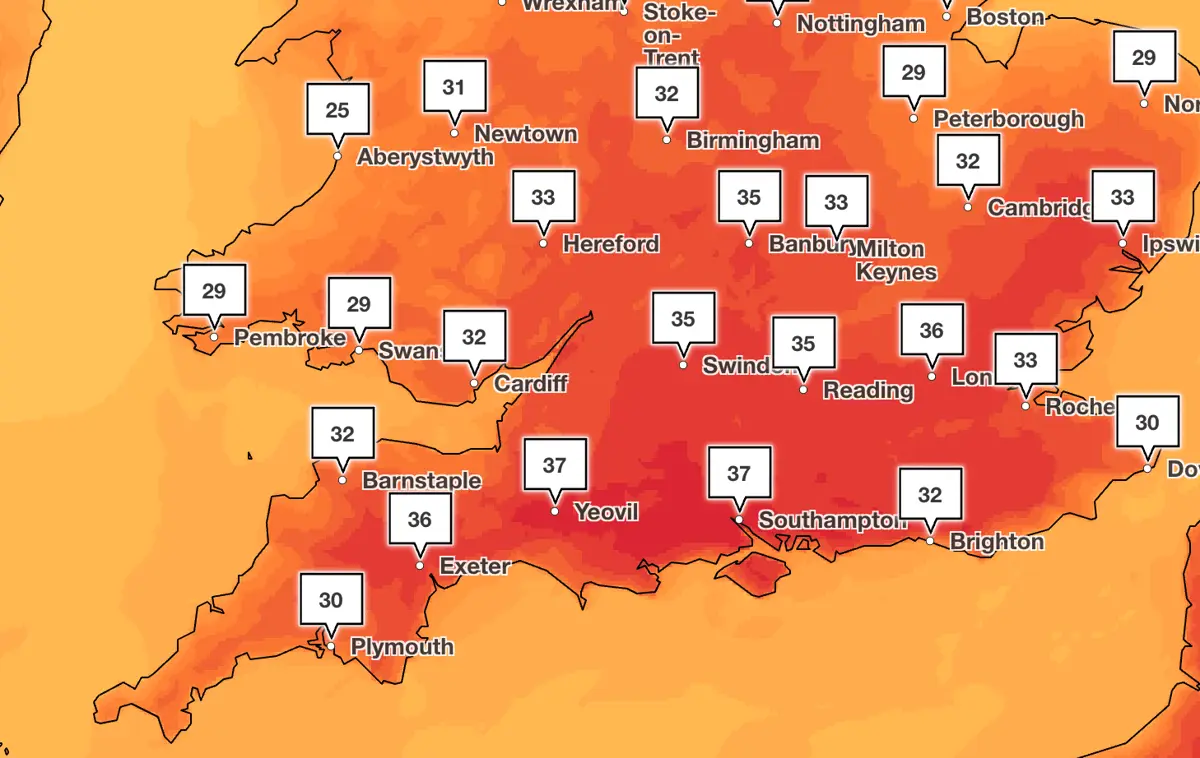
Ceredigion County Council has announced the development of a new guidance framework for schools facing extreme weather, after a spate of heat‑related closures this summer.
During a meeting of the Corporate Resources Overview and Scrutiny Committee, councillors pressed for a policy that specifically addresses extreme heat, arguing that existing arrangements are too brief for the increasingly volatile climate.
The committee was originally reviewing a broader policy covering adverse conditions for council employees when the issue of school guidance was raised.
Members highlighted that heat‑related risks are becoming a significant concern for pupils and staff, especially after dozens of schools were forced to shut their doors during the recent June heatwave.
Council officers confirmed that a separate policy is being drafted in partnership with health and safety and education colleagues.
The draft will be circulated to trade unions and headteachers for comment before being presented to scrutiny and the Cabinet in early 2027.
Under the proposed framework, decisions on individual school closures will continue to rest with headteachers and chairs of governors.
Councillors stressed the need for greater consistency across the county, while recognising that each school building and location may face different conditions.
Professional judgement will therefore remain a core element of the guidance, allowing schools to respond flexibly to local circumstances.
One of the key aims is to ensure that pupils’ attendance records are not adversely affected when they miss school due to weather beyond their control.
The move follows a series of disruptions caused by extreme heat in recent years, with the June 2024 heatwave prompting a large number of closures as temperatures rose sharply across Wales.
Officials said the new framework will provide clearer criteria for when schools should consider altering timetables, moving lessons outdoors, or shutting entirely.
It will also set out procedures for communicating decisions to parents, staff and the wider community in a timely manner.
Health and safety advisers will contribute guidance on safeguarding pupils from heat stress, dehydration and related health issues.
Education officers will align the new policy with existing curriculum requirements, ensuring that learning outcomes are protected where possible.
Trade union representatives have been invited to review the draft, with particular attention to staff welfare and workload implications.
Headteachers will be consulted on practical aspects such as the availability of cooling facilities, ventilation upgrades and shaded outdoor spaces.
The council’s climate action plan, published last year, identified extreme weather as a growing risk for public services, including education.
By integrating the new guidance with the wider climate strategy, Ceredigion aims to build resilience across its school network.
Local authorities in neighbouring counties are watching the development closely, as they face similar challenges with rising summer temperatures.
School governors have welcomed the prospect of a more robust framework, noting that clearer guidance will aid decision‑making during future heat events.
Parents, meanwhile, have expressed relief that a formal policy is being pursued, after experiencing uncertainty during recent closures.
The council will publish the final version of the guidance after the scrutiny process, making it available to all schools in the county.
Implementation is expected to begin in the autumn term of 2027, giving schools time to prepare facilities and training.
Officials reiterated that while the guidance will set out standard procedures, each school will retain the autonomy to act in the best interests of its pupils.
The development reflects a broader national push to adapt public services to the realities of a changing climate.
As heatwaves become more frequent, Ceredigion’s proactive approach may serve as a model for other Welsh councils seeking to safeguard education.