
Monmouthshire Council Secures £1.4m ALN Funding Amid School Deficits
The funding, part of a supplementary budget passed after a cross‑party deal with Plaid Cymru, will see £1.1 million directed straight into the county’s schools.
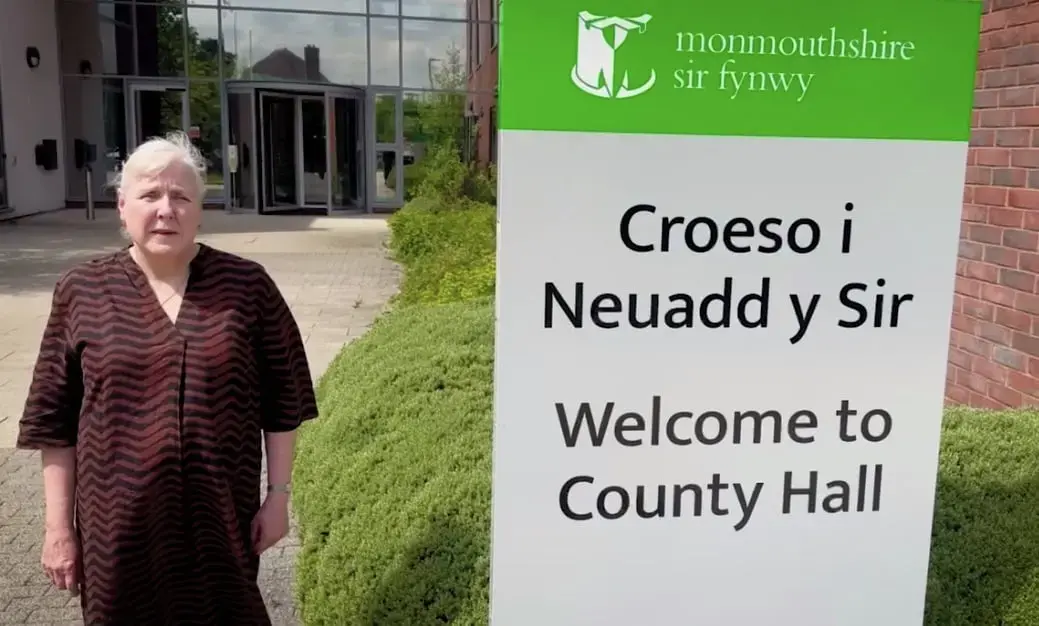
Monmouthshire County Council has secured a £1.4 million share of the Welsh Government’s £60 million settlement for additional learning needs (ALN), a move welcomed by council leader Cllr Mary Ann Brocklesby.
The funding, part of a supplementary budget passed after a cross‑party deal with Plaid Cymru, will see £1.1 million directed straight into the county’s schools.
Brocklesby praised Welsh Labour’s role in the Senedd, saying the commitment “is very welcome news, but it is a start, not a solution.” Our schools still face real pressures, and we’ll keep fighting so that every child in Monmouthshire can thrive.”
Despite the injection, the council acknowledges a substantial financial gap remains, with all 34 schools projected to finish the year in deficit and the shortfall expected to rise by £2.4 million.
Collectively, Monmouthshire schools are on course to spend £9.3 million more than the funding they receive, prompting concerns that some posts are now unaffordable.
Welsh Labour leader Ken Skates MS added that the settlement “is a welcome first step in dealing with the need to better fund schools.”
He warned further money will be required later in the year if another supplementary budget is presented to the Senedd, pledging continued pressure for additional ALN resources.
The £60 million package represents a 50 percent increase on the amount Plaid Cymru’s Welsh Government initially prepared to offer, after earlier refusals to allocate extra funds.
Of the total, £56 million will be split between schools and local authorities, while £1.5 million is earmarked for a long‑term sustainability plan and £2.5 million for the broader sustainability sector.
Monmouthshire’s share, however, forms only a small slice of the overall pot, leaving councils and schools to source the bulk of the finances needed to balance their books.
Jonathan Watson, headteacher of Abergavenny’s largest secondary school, told the council that a staff restructure, including redundancies, would still be essential to eliminate his school’s £2.2 million deficit.
At a September meeting, opposition councillors forced a motion obliging the Labour‑Green administration to outline how the deficit would be reduced without cutting staffing levels, a request the cabinet described as “hard”.
The supplementary budget is due for a full debate in the Senedd in November, with both Plaid Cymru and Labour insisting the compromise safeguards funding for the NHS, childcare and free school meals.
While the ALN allocation offers immediate relief for learners with additional needs, the broader fiscal picture for Monmouthshire’s education sector remains precarious.
Council officials say the funding will be used to bolster support services, but school leaders stress that without further investment the widening deficit could force difficult choices on staffing and resources.
Local education advocates warn that the current shortfall threatens the quality of provision for vulnerable pupils, urging the Welsh Government to accelerate additional funding before the next financial year.
Monmouthshire’s experience reflects a wider challenge across Wales, where many authorities grapple with rising costs and limited central funding for special educational provision.
As the debate in Cardiff continues, the council’s leadership remains focused on securing the resources needed to ensure every child in the county can thrive despite the fiscal strain.