
Welsh student tackles ADHD myths in Zimbabwe via social media
Anodiwa Sadomba, a psychology student at USW, uses Instagram and TikTok to debunk ADHD misconceptions and support neurodiverse families in Zimbabwe.
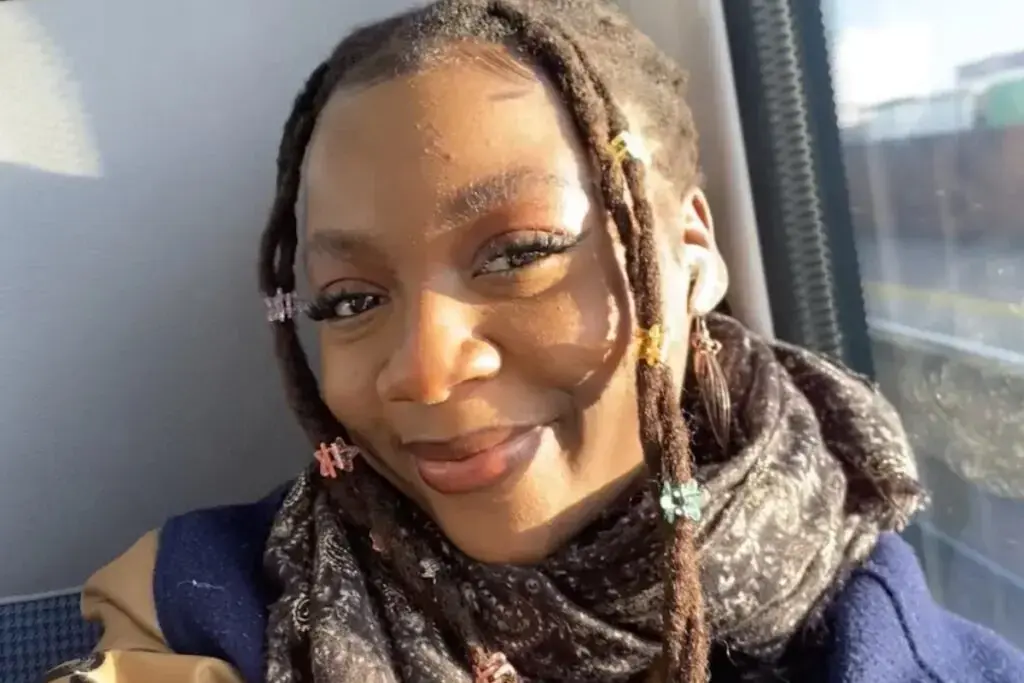
Welsh university student uses Instagram and TikTok to confront entrenched misconceptions about ADHD and other developmental disorders in Zimbabwe. Anodiwa Sadomba, a BSc (Hons) Psychology with Developmental Disorders student at the University of South Wales, launched the accounts after noticing a dearth of accessible information back home.
Sadomba, who moved from Zimbabwe to the UK in 2024, says cultural beliefs often frame neurodevelopmental differences as moral failings rather than medical conditions. “Developmental differences are just a part of human diversity,” she told The National Wales.
“That’s what it is.” That’s how you were born.
It’s nothing big. It’s nothing bad.”
Her short videos combine simple explanations of ADHD, autism and related conditions with personal anecdotes, aiming to normalise the language around them.
The response has been swift; followers have written in to say they were once labelled “different” or “stupid” as children and now feel seen. One cousin confessed that Sadomba’s posts “really opened his eyes and mind”, adding that he now recognises ADHD and autism “is not something to shy away”.
The student’s outreach extends beyond social media. In March she appeared on a webinar hosted by a Zimbabwean developmental paediatrician and a therapist, discussing stigma and mental‑health impacts.
The live session attracted more than 100 participants and highlighted how diagnostic labels can affect self‑esteem and educational outcomes. Sadomba also spent three months in a Zimbabwean school’s learning support centre, observing first‑hand the challenges teachers face when resources are scarce.
“Working in the learning support centre helped shape my future ambitions,” she said, referring to her goal of returning as a consultant to guide schools in supporting neurodiverse pupils. Her long‑term vision is to establish a specialist school that brings together speech and language therapists, occupational therapists and other professionals to deliver individualised support.
The ambition is anchored in her current degree, which she describes as “relevant to me and relevant to everyone else”. Sadomba received her own ADHD diagnosis only recently, a revelation that reframed her childhood experiences of feeling “different”.
“Now, I can use both my academic knowledge and personal experience to help others,” she explained, adding that she hopes the conversations she has started will outlive her university years. The University of South Wales has noted a rise in student‑led projects that address global health disparities, and Sadomba’s initiative is cited as a prime example.
While the digital campaign is still in its infancy, analytics show a steady increase in followers from Harare, Bulawayo and the diaspora community in the UK. Mental‑health charities in Wales have welcomed the cross‑border dialogue, noting that shared experiences can reduce stigma on both sides of the continent.
Sadomba plans to continue producing weekly content, focusing on practical coping strategies, myth‑busting facts and stories from Zimbabwean families. Her work underscores how a single student’s use of social platforms can bridge cultural gaps and bring scientific understanding to regions where misinformation still lingers.