
Award celebrates Crymlyn Bog restoration feat
Specialist amphibious machinery clears historic canal at Crymlyn Bog, earning the Institution of Civil Engineers’ Chair’s Award and boosting peatland health.
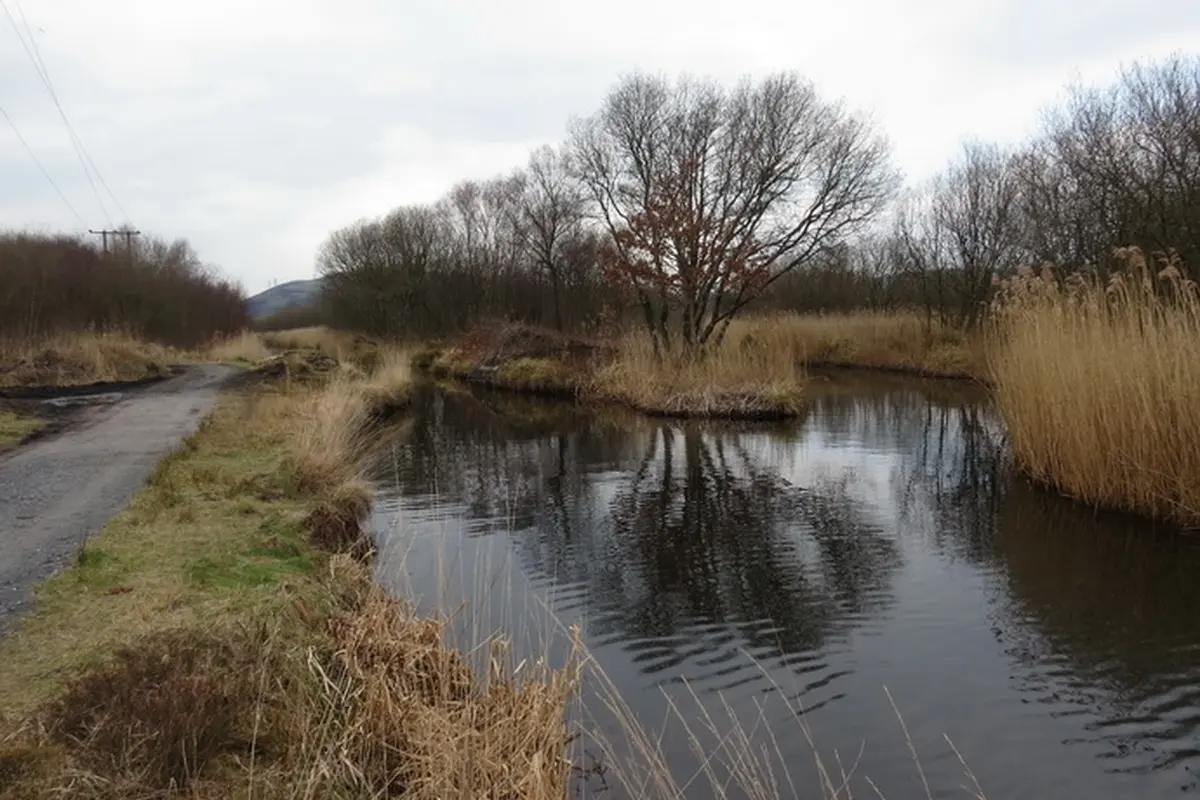
A specialist engineering team has been honoured with the Institution of Civil Engineers’ Chair’s Award for a landmark restoration project at Wales’ largest lowland fen.
The work, carried out under Natural Resources Wales’ LIFEquake programme, involved clearing the two‑kilometre Glan y Wern Canal that runs through the heart of Crymlyn Bog near Swansea.
Using amphibious machinery designed to operate on water‑logged peat, contractors removed centuries‑old hand‑cut sections of the canal, allowing water to flow more freely across the wetland.
NRW officials said the site’s deep layers of saturated peat have long made any heavy‑equipment operation seem impossible, with the ground shifting underfoot like a quaking surface.
“Operating heavy machinery on this unstable ground was a significant challenge,” a project spokesperson explained, noting that previous attempts to clear the waterway had been abandoned.
The successful clearance now enables water levels to be managed more precisely, creating conditions that support peat‑forming mosses and other wetland flora.
Peatlands such as Crymlyn Bog store vast quantities of carbon, help regulate regional water supplies and provide vital habitats for a range of wildlife, from dragonflies to rare birds.
Keeping the peat wet is essential to preserving these ecological functions, and the restored canal is expected to improve the bog’s resilience to drought and climate pressures.
Gareth Thomas, LIFEquake project manager, welcomed the award, stating: “This award is also a significant achievement for nature conservation.”
He added that engineering accolades usually celebrate large‑scale construction, but “in this case specialist amphibious machinery has been used to restore a valuable natural habitat and give nature the best possible chance to recover.”
Thomas also praised the contractors, saying: “We’re thankful for the effective working relationship we have with our contractors and we are absolutely delighted to have co‑delivered such a significant outcome for Crymlyn Bog.”
He continued, “It means a great deal that this work has been recognised as an example of best practice by leaders within the engineering profession.”
The Chair’s Award was presented at the Institution of Civil Engineers’ annual ceremony, where the project was highlighted as a rare example of engineering expertise applied to ecological restoration.
LIFEquake, co‑funded by the European Union and supported by the Welsh Government, focuses on reviving rare “quaking” bog habitats, named for the tremulous feel of their water‑logged peat underfoot.
By restoring the Glan y Wern Canal, the programme hopes to demonstrate how targeted hydraulic interventions can rejuvenate peatland ecosystems that have suffered from historic drainage and land‑use changes.
Environmental groups have welcomed the achievement, noting that successful restoration of large lowland fens could serve as a template for similar projects across the UK.
NRW plans to monitor the site’s hydrology and vegetation over the coming years, with early indicators already showing increased moss cover and improved water retention.
The award underscores a growing recognition within the engineering community that sustainable infrastructure can align with biodiversity goals, offering a blueprint for future collaborations between technologists and conservationists.
As climate change intensifies pressure on natural carbon sinks, the Crymlyn Bog project illustrates how innovative engineering can bolster the resilience of Wales’ most valuable wetland assets.