
South Wales Rail Project Wins Top UK Infrastructure Prize
In addition to the flagship prize, the initiative also took home the Transport Project Award, underscoring its dual impact on engineering excellence and public service delivery. The collaboration…
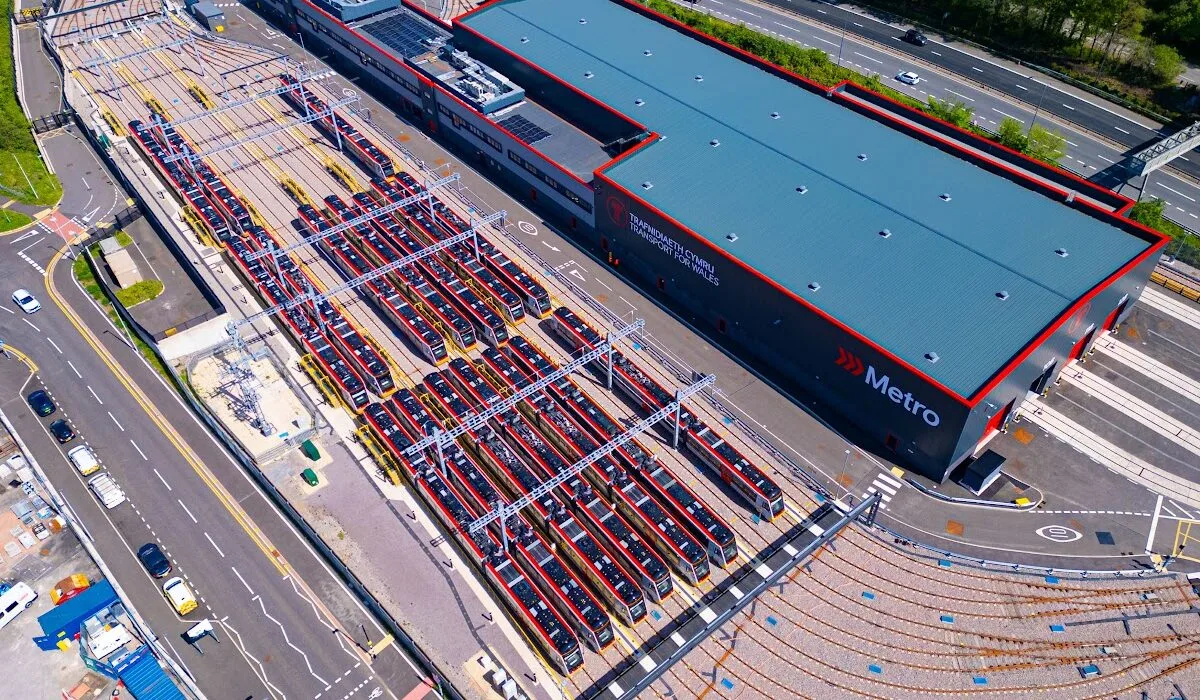
The £1.5bn Core Valley Lines Transformation Programme has secured the highest honour in British infrastructure, claiming the prestigious Sir John Armitt Prize at the British Construction & Infrastructure Awards. Organised by the Institution of Civil Engineers (ICE) and New Civil Engineer magazine, the ceremony recognised the project as a benchmark for modern rail development in the United Kingdom. The award highlights the programme’s success in delivering complex engineering solutions while maintaining a strong focus on community benefit.
In addition to the flagship prize, the initiative also took home the Transport Project Award, underscoring its dual impact on engineering excellence and public service delivery. The collaboration between Amey Infrastructure Wales and Transport for Wales has modernised 170km of railway lines across the South Wales Valleys. This extensive overhaul represents one of the most ambitious rail modernisation efforts undertaken in the UK in recent years.
The judging panel praised the scheme for its multidisciplinary approach, noting that infrastructure, rolling stock, and operations were integrated through a systems-led strategy. They described the project as having a “very strong and widespread community benefits” profile, backed by a highly collaborative culture. The judges specifically highlighted the strong client leadership that guided the programme through its complex phases of delivery.
Wayne Brigden, Business Director at Amey, expressed the team’s pride in receiving both accolades at the national level. He stated that winning the Sir John Armitt Prize and the Transport Project Award is a “fantastic achievement” for the entire workforce. Brigden emphasised that the success stems from combining collaboration with pioneering engineering to create better connections for communities across South Wales.
The programme’s scope includes the electrification of key lines, the installation of new digital signalling, and the introduction of £800m worth of new electric and trimodal trains. These advanced vehicles are capable of running on electric, diesel, and battery power, offering greater flexibility and environmental benefits. The investment also funds significant station upgrades and the construction of two entirely new stations to serve growing populations.
For residents of the Valleys, the changes have already delivered transformative improvements to the rail network’s capacity and reliability. For the first time, many journeys can be completed without passengers having to change trains in Cardiff, streamlining travel across the region. The electrification of the Merthyr Tydfil, Aberdare, Treherbert, Cardiff, and City lines has enabled cleaner, faster, and more reliable services for commuters.
Service frequency has increased dramatically on key valley lines, with operations doubling from two trains per hour to four. This improvement was made possible by the construction of seven new passing loops, which allow trains travelling in opposite directions to pass safely or for faster services to overtake slower ones. New trains introduced on the Rhymney line have further enhanced passenger comfort and accessibility, addressing long-standing needs for modern facilities.
The Treherbert line has seen a significant technological upgrade, replacing a 100-year-old token exchange signalling system with cutting-edge digital signalling. This modernisation has dramatically improved reliability, reducing delays and improving the overall punctuality of services in the area. The shift to digital systems marks a crucial step in ensuring the network can handle increased demand with greater efficiency.
Keith Jones, ICE regional director for Wales Cymru, described the programme as an exceptional example of how well-planned infrastructure can change people’s lives. He noted that the positive legacy of the project will shape futures in South Wales for generations to come. Jones highlighted that the improvements have not just enhanced transport, but also improved people’s well-being by making travel between communities easier.
By reducing isolation, the programme aims to increase long-term education and employment prospects for residents across the Valleys. The enhanced accessibility to leisure activities and job opportunities represents a significant boost to local economies and social cohesion. Jones added that it is “fantastic to see its positive impact recognised at a UK level,” affirming the project’s national significance.
Gavin Pearson, editor of NCE, contextualised the awards as a celebration of the best in construction and infrastructure industries. He explained that the judges interrogate over 300 projects to identify those with a lasting impact on society and the industry. Pearson emphasised that the awards recognise not just the physical delivery of projects, but their vital impact on the health, wellbeing, and prosperity of communities.
The Core Valley Lines Transformation Programme supports Wales’ broader ambition to move towards cleaner and greener travel. By reducing carbon emissions through electrification and efficient rolling stock, the project aligns with national environmental goals. The recognition at the BCIA serves as a testament to the project’s ability to balance engineering innovation with social responsibility.
As the programme continues to deliver its final phases, the focus remains on sustaining the benefits achieved to date. The integration of new stations and upgraded facilities ensures that the network remains fit for purpose for decades. This award-winning initiative stands as a model for how major infrastructure projects can deliver tangible, long-term value to the communities they serve.