
All nursing graduates from mid and north Wales secure NHS posts
The announcement comes in the wake of significant concerns raised prior to the May election regarding the employment prospects of healthcare graduates. Many students across Wales had completed…
Every nursing graduate from Bangor University has now secured a position within NHS Wales, marking a significant milestone for healthcare recruitment in the region. This development follows targeted interventions by the Welsh Government to address workforce planning gaps that previously left many qualified professionals without immediate employment. The achievement ensures that talented individuals can build their careers locally while strengthening the health service infrastructure across north Wales.
The announcement comes in the wake of significant concerns raised prior to the May election regarding the employment prospects of healthcare graduates. Many students across Wales had completed their rigorous training programmes only to find themselves unable to secure NHS posts, creating a disconnect between education and employment. This situation was described as a serious failure of workforce planning under the previous administration, which left graduates who had invested heavily in their education without a clear pathway into the profession.
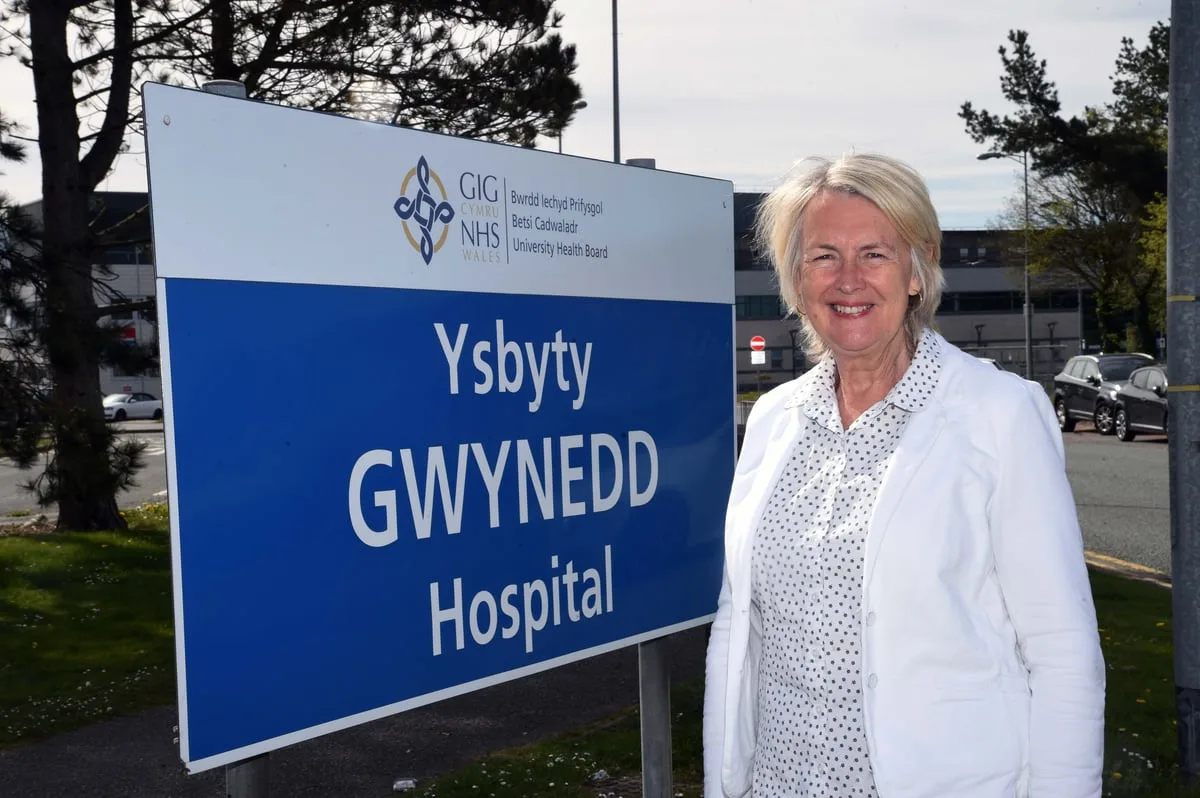
Siân Gwenllian MS, the Member of the Senedd for Gwynedd Maldwyn, welcomed the news as an important step forward for healthcare training and employment in Gwynedd and north Wales. She highlighted that the resolution provides these talented graduates with the opportunity to build their careers in their home region. By securing these roles, the health service is simultaneously bolstered by a new cohort of qualified nurses ready to serve the community.
In response to the initial concerns, Plaid Cymru’s Health Minister convened a strategic summit in June to tackle the issue directly. This high-level meeting brought together key stakeholders, including health boards, universities, Health Education and Improvement Wales (HEIW), and the Welsh Government. The primary objective was to identify available opportunities and create a structured mechanism to help graduates transition smoothly into employment.
The collaborative effort resulted in 253 newly qualified nurses securing posts across NHS Wales, demonstrating the effectiveness of the coordinated approach. By bringing the right partners together, the Health Minister facilitated the identification of specific vacancies that matched the skills and qualifications of the graduating class. This practical action turned political commitments into tangible outcomes for the healthcare workforce.
On 19 October, the Health Minister visited Aberystwyth University to meet with nursing students and formally mark this achievement. The visit served to celebrate the fact that every nurse who graduated over the summer from both Aberystwyth and Bangor universities has now secured NHS employment. This recognition underscores the value placed on local educational institutions in producing skilled professionals for the national health service.
The minister’s presence at the university highlighted the direct link between academic training and professional placement. It provided an opportunity to engage directly with the students who have benefited from the recent interventions. The event reinforced the message that the government is actively supporting the retention of healthcare talent within Wales.
Siân Gwenllian MS emphasised that Plaid Cymru had promised to take action to help nursing graduates find jobs in Wales, and the recent developments represent the delivery of that commitment. She contrasted the current situation with the previous Labour Government’s approach, noting that many healthcare students were previously left completing their studies without a job secured in the NHS. This shift in policy has been framed as a correction of past failures that were unfair to graduates who had dedicated years to their education and training.
The MS stated that the Health Minister has helped turn that promise into practical action by identifying available posts and facilitating placements. This approach ensures that the pipeline from university to the NHS is no longer obstructed by administrative or planning oversights. The success of this initiative is seen as a model for how multi-agency cooperation can solve complex workforce challenges.
The resolution of this issue is viewed as a critical component of the broader strategy to strengthen the health service. By ensuring that graduates are employed, the system benefits from a stable and motivated workforce. This development is expected to have a positive ripple effect on patient care and service delivery across the regions served by these new nurses.
The focus now shifts to maintaining this momentum and ensuring that future cohorts of graduates are similarly supported. The collaboration between universities, health boards, and the government will likely continue to be a cornerstone of workforce planning. This sustained effort aims to prevent any recurrence of the employment gaps that were identified earlier in the year.
The success in Gwynedd and north Wales serves as a benchmark for healthcare recruitment across the country. It demonstrates that targeted, high-level intervention can yield rapid and positive results for both employers and employees. The health service is now better positioned to meet the demands of an ageing population and increasing service pressures.
This outcome reflects a broader commitment to investing in human capital within the public sector. By valuing the skills of new graduates, the government is fostering a culture of professional development and retention. The long-term impact of these placements will be felt in the quality and continuity of care provided to patients across Wales.
The involvement of Health Education and Improvement Wales in the summit was crucial in aligning educational outcomes with workforce needs. This alignment ensures that the skills taught in universities are directly applicable to the roles available in the NHS. Such synergy is essential for a resilient and efficient healthcare system.
The visit to Aberystwyth University on 19 October was a symbolic gesture of support for the student body. It acknowledged the hard work and dedication of the nursing students who have completed their programmes. The event helped to build confidence among current students that their future employment is being actively managed and secured.
The 253 newly qualified nurses who have secured posts are now integral members of the NHS Wales workforce. Their presence in hospitals and community health settings will contribute to improved patient outcomes. This influx of new talent is a welcome addition to the existing staff, helping to alleviate some of the pressure on the system.
The political narrative surrounding this issue has shifted from criticism of past failures to celebration of current successes. This change in tone reflects the tangible improvements made in workforce planning. The government is positioning itself as a proactive partner in the healthcare sector, committed to solving real-world problems for its citizens.
The collaboration between Plaid Cymru’s Health Minister and various stakeholders has set a precedent for future policy initiatives. It shows that cross-sectoral dialogue can lead to effective solutions for complex issues. This model of governance is likely to be applied to other areas of public service where workforce challenges exist.
The success in securing posts for all Bangor University nursing graduates is a testament to the effectiveness of the recent interventions. It provides a clear example of how policy can be implemented to achieve desired outcomes. The health service in north Wales is now stronger as a result of this focused effort.
The future of healthcare in Wales depends on the continued ability to attract and retain skilled professionals. The recent developments in Gwynedd and north Wales provide a positive foundation for this goal. By addressing the immediate needs of graduates, the system is better prepared for long-term sustainability.
The involvement of universities in the workforce planning process is a key factor in this success. It ensures that the education provided is relevant and aligned with the needs of the health service. This partnership between academia and industry is vital for the development of a competent and capable workforce.
The resolution of the employment issue for nursing graduates is a significant achievement for the region. It demonstrates the power of coordinated action and political will. The health service in Wales is now better equipped to meet the challenges of the future, with a new generation of nurses ready to serve.