
Wales delays major council tax changes to next Senedd term
Finance Minister Elin Jones confirms revaluation plans are postponed due to £80m support costs and NHS pressures.
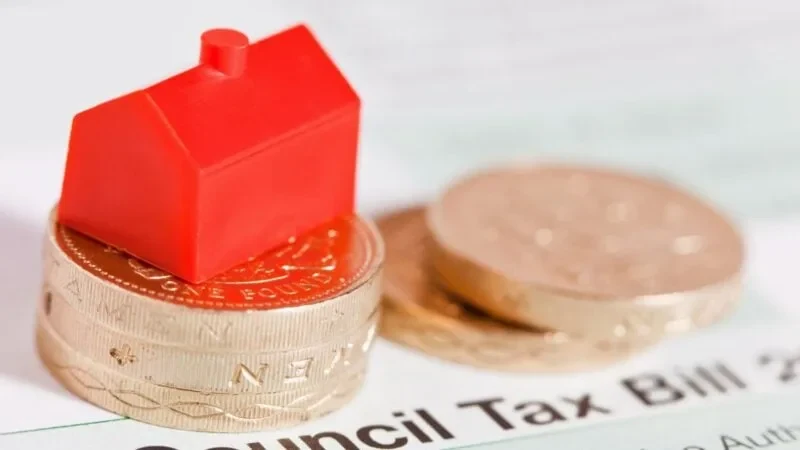
The Welsh Government has confirmed it will delay major reforms to the council tax system, pushing the decision back until the next Senedd term. Finance Minister Elin Jones announced that legislation will be brought forward to defer the planned revaluation, citing significant financial pressures on public services. This move effectively pauses a long-standing initiative to update property valuations that have remained static since 2003.
The decision follows a detailed assessment conducted over the summer to evaluate the costs of implementation and the broader impact on households. Ministers determined that proceeding with the changes would require substantial additional funding to support those facing increased bills. Consequently, the government has opted to prioritise other critical areas of public spending during the current fiscal year.
Research estimates suggest that around a quarter of households could have seen their council tax band increase under the new system. Conversely, another quarter might have seen their band decrease, while approximately half would have experienced minimal change. For those facing an increase, the cost could have amounted to hundreds of pounds more per year.
Supporting these households responsibly could have cost up to £80m in the first year alone. Minister Jones described this as a serious amount of money at a genuinely difficult time for public finances. She highlighted real pressures this year, particularly within the NHS, and noted that less funding is coming from the UK Government going forward.
Every pound has to go further right now, the Minister stated, emphasising the need to focus on bringing down NHS waiting lists. The government is also prioritising help for families with the cost of childcare, creating jobs, and raising educational standards. These competing demands have made the timing of the council tax reform impractical for the current term.
Minister Jones acknowledged that household budgets are under significant pressure, making it unfair to press ahead without full support. She noted that some people are still paying council tax based on what their home was worth over twenty years ago. While this situation has not changed, neither has the government’s view on the need for eventual reform.
The Minister clarified that this is not about giving up on council tax reform or retreating from fairness. Instead, it is a practical call about timing and what must be prioritised in the current economic climate. The government intends to use this period to explore other, more targeted ways to improve the system.
These alternative approaches aim to avoid the same high price tag associated with a full revaluation. The Welsh Government has stated it welcomes ideas from the public and stakeholders on how to proceed. This collaborative approach seeks to ensure that any future changes are both fair and financially sustainable.
Legislation to defer the revaluation to the next Senedd term will be brought forward next month. This follows a Bill to reform the local tax system in Wales that was passed by the Senedd in 2024. Those initial plans were already delayed until 2028, marking the second postponement of significant changes to the system.
The Local Government Finance (Wales) Bill aimed to increase how often the values of all non-domestic properties in Wales are updated. It proposed updating these values once every three years, while establishing a five-yearly cycle of domestic property revaluations from April 2028 onwards. The legislation also sought to provide more flexibility to fit future possible redesigns of the system.
At the time, the Welsh Government stated the move would lead to council tax cuts for around 800,000 homes. Approximately 470,000 homes were projected to see an increase in their tax band. Officials described the current system as ‘out of date’, arguing it did not represent current house values accurately.
The last time Wales revalued properties for council tax was in 2003, meaning many bands are now nearly two decades old. This long gap between valuations has led to significant discrepancies between actual property values and the bands used for taxation. The government’s decision to delay further changes reflects the complexity of addressing these long-standing issues.
As the Senedd prepares for the next term, the focus will shift towards developing more targeted solutions. The aim is to improve the fairness of the system without imposing immediate, heavy costs on the public purse. This strategic pause allows for a more thorough review of potential options.
The delay ensures that resources can be directed towards immediate priorities such as healthcare and education. It also provides time to consult on alternative models that may be more cost-effective. The government remains committed to eventually modernising the council tax system in Wales.