
Saundersfoot traveller site refusal heads to Welsh Government appeal
A contentious traveller site scheme in Saundersfoot faces a Welsh Government appeal after a third planning refusal, despite significant ecological improvements.
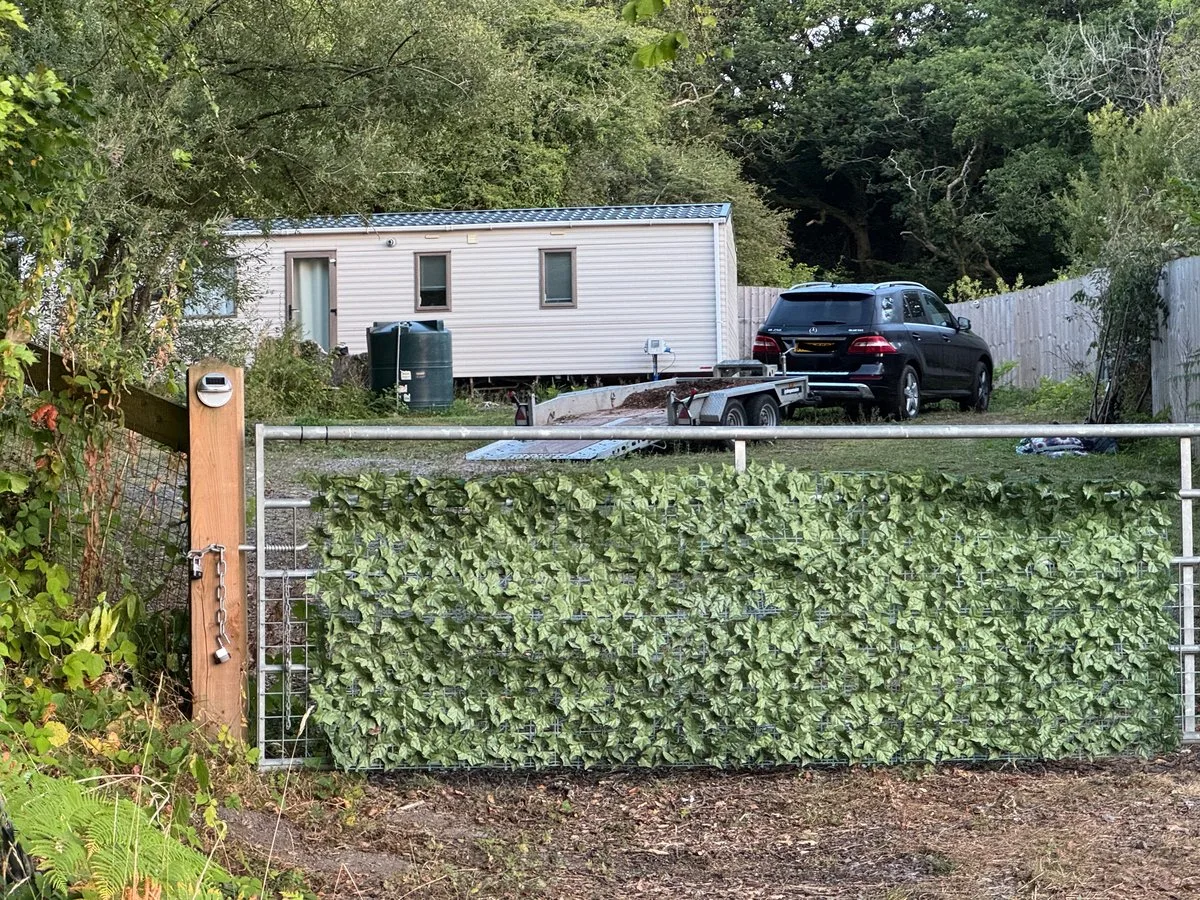
A contentious planning application for a traveller site on the outskirts of Saundersfoot faces a potential appeal to the Welsh Government after being rejected for the third time. The scheme, proposed by David ‘Dai’ Evans and submitted by Hayston Developments & Planning Ltd, was refused by Pembrokeshire Coast National Park planners at their October 21 meeting. This latest decision follows two previous rejections, with the most recent refusal occurring in early 2025.
The proposal involved the placement of one static caravan and one touring caravan, alongside a day room and significant ecological improvements at Froghall Yard on Moreton Lane. Despite the repeated setbacks, the applicant’s team believes the case has now reached a point where an independent review is necessary. They argue that the national park’s decision-making process has not adequately weighed the specific circumstances of the applicant’s long-standing connection to the area.
Local opposition to the development has been substantial, with nearly 300 residents signing a petition against the scheme. Saundersfoot Community Council has consistently objected to the application, joining a “significant number” of local residents in their resistance. A planning agent acting on behalf of locals also contributed to the formal objections raised during the recent committee meeting.
The supporting statement for the application highlighted that Mr Evans comes from a long-established Romany Gypsy family currently living on an overcrowded traveller site in Pontypool. It noted that Mr Evans and his family had spent every summer in a touring caravan at the Saundersfoot location since the late 1980s. The family purchased, cleared, and refurbished the land in 2023, establishing a permanent presence after decades of seasonal use.
Previous refusals cited harm to the landscape and a lack of capacity for caravan development in that part of the national park. However, the latest application emphasized major ecological benefits, including the planting of 198 trees and the creation of new Pembs hedgebanks. These improvements were designed to benefit local wildlife, specifically otters, birds, and bats, effectively resolving the ecology-based reasons for earlier rejections.
Despite these environmental upgrades, officers at the October 21 meeting identified a new ground for refusal: concerns over connecting the site to the mains sewer. Welsh Water had raised the question of a viable connection to sewer works located 500 metres away only after issuing two previous letters of support. The applicant has since identified a possible connection chamber on his own land but still requires a meeting with Welsh Water to resolve the technical issue.
Agent Andrew Vaughan-Harries argued that it was “totally unreasonable and unacceptable” for the authority to place all blame on the applicant for site clearance works undertaken before the 2023 purchase. He stated that the scheme offered major environmental improvements and urged planners to delay the decision to investigate the foul-water problem rather than “bringing this back for a fourth time.” Vaughan-Harries dismissed remaining concerns about the site’s appearance and caravan capacity as weak arguments in the face of the ecological gains.
Lynne Garnett, of the Travelling Ahead Community Planning Project, described the prejudice against Gypsy and Traveller families as “enormous,” citing the orchestrated opposition to this single pitch as evidence. She highlighted that families in Wales are “forced into renting poor quality accommodation with no alternative” amid a “chronic accommodation crisis.” The team maintains that Traveller Policy 53 in the national park’s Local Development Plan 2 supports sites of this nature, meaning they do not accept the refusal lightly.
Following the third refusal, the applicant’s team views an appeal to Planning and Environment Decisions Wales (PEDW) as the most logical next step. They consider this route to be the fairest option after three attempts to secure permission through the local planning process. The appeal would allow the Welsh Government’s planning inspectors to review the case independently of the local authority’s decisions.
The outcome of this potential appeal will be closely watched by both supporters and opponents of the scheme. It represents a significant test of how national park planning policies are applied to traveller sites with strong ecological credentials. The resolution of the sewer connection issue remains a critical technical hurdle that must be addressed before any final decision can be made.