
What is Wales’ national anthem?
Explore the 1856 birth of Hen Wlad Fy Nhadau, its rise to sporting fame and why modern artists and athletes still cherish the song.
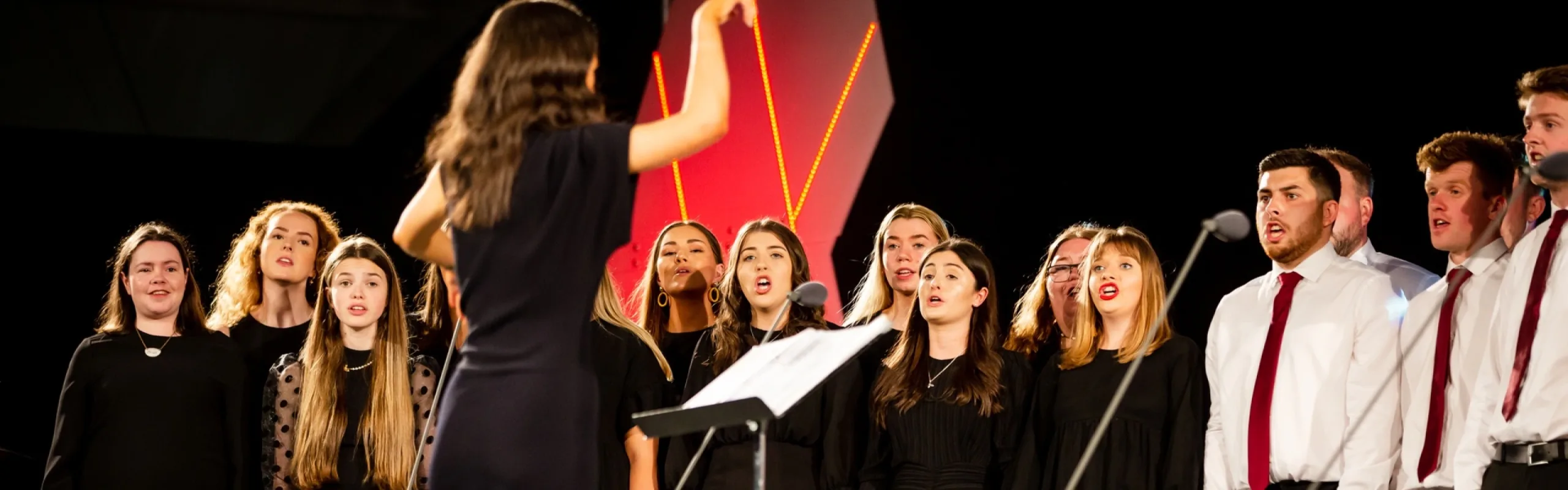
Hen Wlad Fy Nhadau, the melody that first echoed at a World Cup in 2022, traces its roots back to a modest Pontypridd workshop in January 1856.
Father Evan James supplied the verses while his son, harpist James James, crafted the tune that would later be known as the Welsh national anthem.
James, who earned his livelihood performing in local inns, is said to have composed the melody while strolling beside the River Rhondda, then asked his father for words to match.
Evan produced three verses by the following morning, and a week later the song, then titled Glan Rhondda, debuted at Tabor Chapel, Maesteg, sung by 16‑year‑old Elizabeth John.
The composition quickly entered the Welsh cultural canon, appearing in a bestselling collection of songs and becoming a staple at eisteddfodau and patriotic gatherings.
Although never granted formal status, Hen Wlad Fy Nhadau has become synonymous with Welsh sport, especially rugby and football internationals.
In 1905, Wales set a precedent by singing the anthem before a match against New Zealand at Cardiff Arms Park, marking the first recorded instance of a national anthem preceding an international fixture.
James James’s melody also crossed borders, providing the tune for the Cornish anthem Bro Goth agan Tasow and Brittany’s Bro Gozh ma Zadoù.
‘Although the anthem was written over 160 years ago, even then its language would have seemed a little archaic to those who spoke Welsh every day. But it’s the style that was expected of writers at the time – that’s how they sought to give their work poetic gravitas.
‘In the end, it’s the tune that carries it – the way it builds from a dignified beginning to the rousing notes of the end. The last three lines from “Gwlad!”
‘The Welsh national anthem is one of the most stirring anthems from the very start. The first phrase gradually rises through a whole octave, and this strident opening sets up the mood of the anthem.
The double chorus is particularly stirring, with its held notes on the word “Gwlad”.
‘Even though I’m a musician, what moves me most are words. The fact that the first people to be mentioned are poets and singers, not warriors or soldiers, is wonderful.
For an anthem to prioritise culture so strongly says a lot about us as a country.
‘The first time I heard Hen Wlad Fy Nhadau was when I sang it in primary school.
‘Now it’s one of the best bits about playing for my country. It’s such a privilege, being able to stand there with your teammates and sing in front of your crowd and your family.
It gets the adrenaline pumping, too.
‘It doesn’t matter if I’m in tune or not when I’m belting it out. When we get to “Gwlad, Gwlad, pleidiol wyf i’m gwlad”, it feels like you’re standing up for your nation.
The anthem’s lyrics celebrate poets, singers and the “brave warriors” who shed blood for freedom, underscoring a cultural identity that values art as much as arms.
From its humble riverbank origins to stadiums worldwide, Hen Wlad Fy Nhadau endures as a living testament to Wales’s musical heritage and national pride.