
Industry leaders map Wales’ skills roadmap at Aberthaw
Senior figures convene to outline how Wales can develop, retain and attract talent for a competitive economy over the next five years.
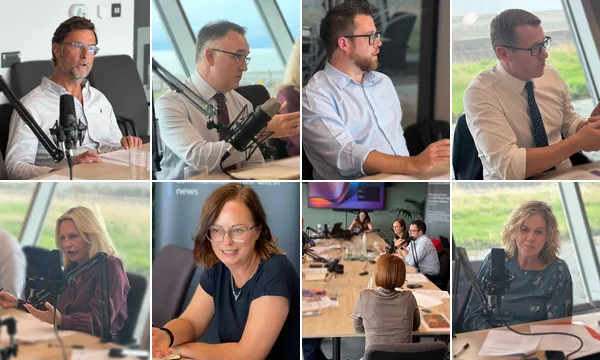
Senior figures from industry, education and skills gathered at Aberthaw Power Station on Thursday to chart a five‑year plan for Wales’ future workforce.
The meeting formed part of INFORM, a new Business News Wales initiative designed to tighten the link between employers and the bodies shaping Wales’ economic direction.
Participants included James Owen, chief executive of Medr Cymru; Sarah Curtis, vice‑president of human resources at Safran Seats; David Hagendyk, chief executive of Colegau Cymru; Lisa Mytton, strategy director at NTFW; David Hoare, head of communications, compliance and ethics at GE Aerospace; Becca Falvey, senior manager of skills and innovation at Open University Wales; and Chris Butt, chief executive of Deeplearn HS.
The board was asked a single, forward‑looking question: what must Wales do over the next five years to develop, retain and attract the skills, experience and talent required for a more productive and competitive economy?
Discussions ranged from raising career awareness in schools and deepening employer engagement, to expanding apprenticeships, vocational routes, further and higher education, and graduate retention programmes.
Speakers also examined how Wales could lure specialist talent from abroad and encourage Welsh professionals who have left to return, highlighting the importance of clear pathways and incentives.
Workforce planning featured heavily, with delegates probing whether the nation’s economic ambitions are sufficiently aligned with the skills system needed to deliver them.
“Skills is one of those issues that touches virtually every conversation we have with businesses, regardless of sector or region.” “But the challenge is much broader than simply asking whether we are training enough people.”
We need to understand what skills businesses are going to require in five or ten years, how we retain experienced people already in the workforce and how Wales competes for specialist talent.
Mark Powney, managing director of Business News Wales, stressed that the dialogue must move beyond head‑count figures to a nuanced view of future skill demand.
He added that the board’s insights will be woven into ongoing coverage and will help build a robust evidence base for policy makers.
The INFORM editorial boards, now rolling out across other sectors and regions, aim to turn senior‑level experience into actionable data that can steer Wales toward a resilient, knowledge‑driven economy.
With investment decisions increasingly tied to talent availability, the outcomes of Thursday’s session could shape the strategic direction of Welsh industry for years to come.