
Women’s urinals win over Dragons’ Den, founders turn down deal
Amber Probyn and Hazel McShane showcase Peequal at Dragons’ Den, reject a high‑equity offer and aim to revolutionise festival facilities for women.
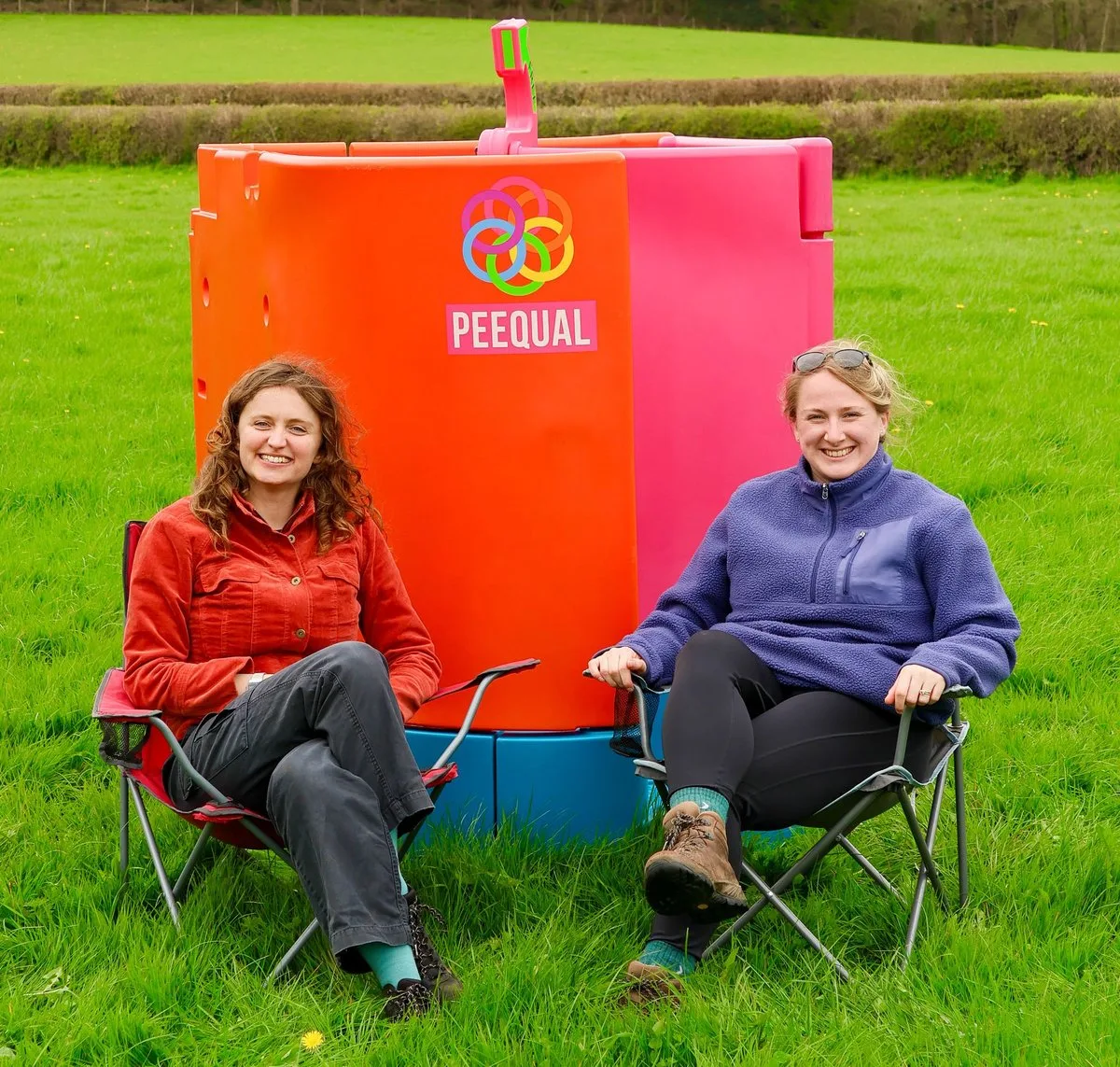
Women’s urinals designed to slash queuing times at festivals have secured a high‑profile platform on Dragons’ Den, prompting a dramatic on‑air decision that could reshape the portable‑toilet market.
Amber Probyn, 28, a Ross‑on‑Wye entrepreneur, and her business partner Hazel McShane, 30, from Norfolk, presented their Peequal system to the dragons last week.
The duo explained that the open‑air, squat‑style urinals are three times faster to use than conventional portable toilets, a claim backed by their deployment at 34 events this year, including the London Marathon, Reading and Leeds Festivals and Brighton Pride.
“Women queue for an hour longer than men each day at festivals,” Probyn said, highlighting the gender disparity that Peequal aims to address.
During the pitch, the dragons were invited to try the urinals themselves, a moment the founders described as “amazing”.
“They all popped a squat to see how the toilets work – which was amazing,” Probyn recalled.
Deborah Meaden made an offer, but the founders declined, citing the equity stake demanded.
“It wasn’t right for us to take the investment in terms of our finances and the dragons ask for a lot more equity than other investors might who aren’t on the TV,” Probyn told a regional broadcaster.
She added that the decision aligned with their long‑term strategy, even as the television exposure validated the product’s importance.
“We’re really glad we took a deal on the show as it’s meant it has validated such an important product,” she said.
Hazel McShane, who co‑developed the design, noted that the urinals are built for rapid, hygienic use, reducing the need for women to wait in long lines for a traditional portable toilet.
“Men obviously have male urinals, as well as portable toilets, so this is the sort of fast‑track lane for the ladies,” Probyn explained.
She stressed that the solution offers choice and cleanliness, qualities often lacking at large outdoor events.
“We don’t have to wait anymore.” It’s all about giving women choice and providing a facility that is clean and hygienic, and really fast,” she said.
Industry observers note that portable‑toilet providers have long struggled to meet the demand for gender‑balanced facilities, with women typically facing longer waits and fewer options.
Peequal’s rapid‑use design could therefore fill a niche that has been largely ignored by traditional suppliers.
Since its launch, the product has been praised by event organisers for its ease of installation and low water usage, factors that align with sustainability goals increasingly demanded by festivals and public gatherings.
“The environmental footprint is considerably lower than a full‑size toilet block,” a festival operations manager, who preferred to remain unnamed, told the newsroom.
With the Dragons’ Den appearance, the founders hope to attract further commercial partnerships without sacrificing control.
“We’re looking to scale, but we want to keep the equity split fair and retain the ability to steer the brand’s direction,” McShane said.
The decision to walk away from a high‑profile investment underscores a growing trend among start‑ups to prioritise long‑term autonomy over immediate capital.
Analysts suggest that the visibility from the television programme could still translate into increased orders, as event planners seek innovative solutions to gender‑based queuing challenges.
“The exposure alone is worth the risk of turning down the deal,” Probyn concluded, adding that the experience had been “such an amazing experience” for both founders.
As the festival season ramps up, Peequal’s presence at major events may serve as a live showcase of the product’s potential, prompting other organisers to reconsider how they accommodate female attendees.
Whether the venture can sustain its momentum without the backing of a dragon remains to be seen, but the founders appear confident that their vision of “pee‑equality” will continue to resonate across the UK’s event landscape.