
Pembrokeshire offers up to £15,000 for community projects
Council opens a £142,000 grant round to help local groups counter second‑home impacts, with applications due by 30 October.
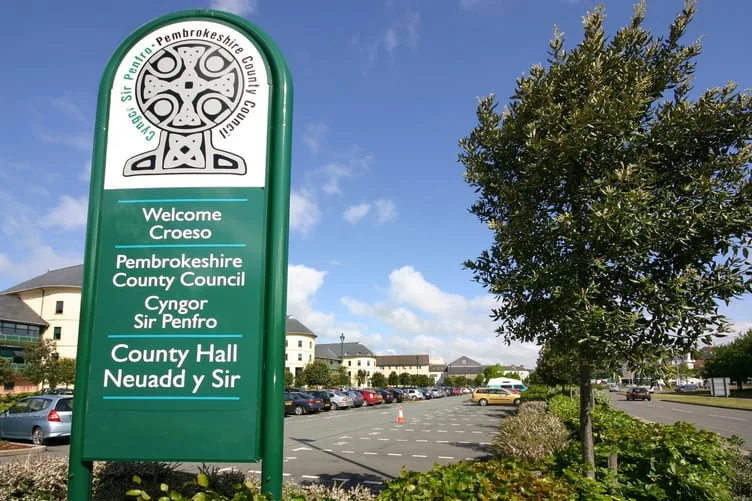
Pembrokeshire County Council has opened applications for its latest Enhancing Pembrokeshire Grant, offering up to £15,000 to community‑led projects across the county.
Expressions of interest can be submitted from 1 October, with the deadline set for 30 October, giving groups a narrow window to outline how they will tackle local challenges.
The funding round, part of the council’s 2026‑27 budget, makes available roughly £142,000 in grant money, sourced from the Second Home Council Tax Premium.
That premium was introduced to mitigate the social impact of second‑home ownership, which has driven up house prices and strained services in many rural Welsh communities.
Since the scheme’s launch, more than £6 million has been distributed to over 300 organisations, ranging from heritage groups to youth clubs.
Eligible applicants include constituted community groups, charities, social enterprises and town and community councils, all of which must demonstrate a clear benefit to local residents.
Council Cabinet Members for Communities, Cllrs Aaron Carey and Sam Skyrme‑Blackhall, urged groups to align proposals with pressing local priorities.
“The Enhancing Pembrokeshire Grant continues to make a real difference to communities across the county, helping local organisations deliver projects that benefit residents and strengthen community life.”
Since its introduction, the scheme has supported hundreds of projects and invested millions of pounds into initiatives that help address the impacts of second home ownership in our communities.
Potential projects span a wide spectrum, from improving digital connectivity in remote villages to restoring historic landmarks that attract visitors while preserving local character.
One coastal village, for example, is planning a volunteer‑run information hub to guide tourists towards locally owned accommodation, hoping to keep spending within the community.
In the inland market towns, groups are eyeing upgrades to community centres, aiming to provide safe spaces for after‑school activities and adult learning.
Environmental initiatives are also on the agenda, with several groups proposing tree‑planting schemes and coastal clean‑ups to bolster resilience against climate change.
Applicants must submit a concise project plan, a realistic budget and evidence of community support, such as letters of endorsement or a petition.
The council will assess proposals against criteria that include demonstrable impact, value for money and alignment with the grant’s objective of counteracting second‑home pressures.
Successful projects will receive funding in instalments, with progress reports required to ensure accountability and transparency.
Local residents are encouraged to engage with the process, either by joining existing groups or by forming new partnerships that can meet the eligibility thresholds.
Information on the application procedure, guidance notes and contact details are available on the council’s Enhancing Pembrokeshire Grant webpage.
With the deadline fast approaching, community leaders say the grant offers a rare opportunity to secure resources that could shape the social and economic fabric of Pembrokeshire for years to come.